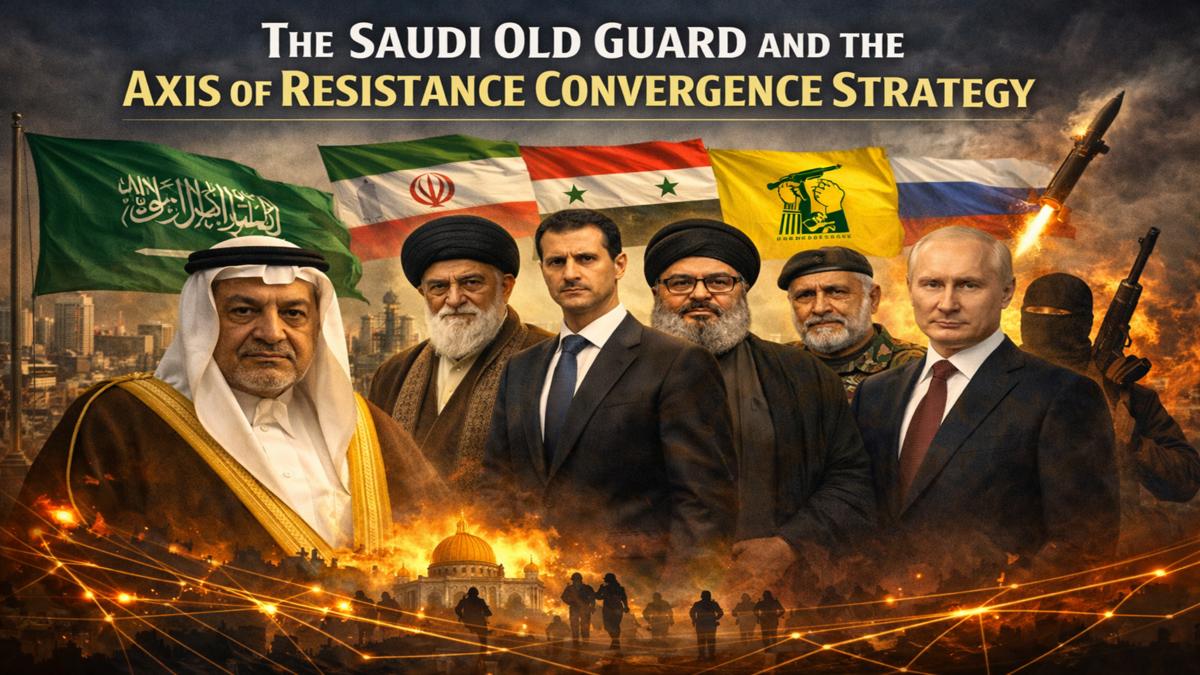
by Joao Lemos Esteves
Russian Hybrid Warfare, LaRouche Movement Networks, and Portugal as a Gateway to Western Political Systems
Key Judgments
This assessment identifies overlapping influence networks linking actors associated with the Saudi Old Guard, Russian geopolitical operators, and intermediaries operating across Europe, particularly in Portugal.
• Reporting suggests Portugal has functioned as a permissive networking environment for actors connected to Russian hybrid influence structures and Saudi legacy institutional networks.
• Available information indicates certain intermediaries operating in cultural diplomacy, interfaith initiatives, and elite networking circles may have facilitated access between Middle Eastern, Russian, and Western institutional ecosystems.
• Historical patterns suggest Saudi Old Guard influence strategy has relied on financial patronage, religious diplomacy, and elite relationship networks rather than direct political intervention.
• Russian geopolitical strategy appears consistent with long-standing Soviet doctrine emphasizing influence through cultural, academic, and economic platforms rather than purely intelligence operations.
• With moderate confidence, available reporting suggests some intermediary figures may operate at the intersection of these networks, functioning as access facilitators rather than traditional intelligence operatives.
• Historical precedent suggests similar convergence between intelligence, financial, and ideological actors occurred during Cold War proxy competition, particularly in Afghanistan, Lebanon, and parts of Europe.
• The presence of ideological ecosystems linked to the LaRouche movement may reflect broader attempts to shape narratives supportive of multipolar geopolitical frameworks.
• These developments appear consistent with broader global competition between U.S.-aligned systems and emerging multipolar influence coalitions.
Arms Brokers, Cultural Diplomacy, and Political Intermediaries in Russian and Middle Eastern Strategic Influence Operations
Scope and Methodology
This assessment is based on open-source reporting, historical analysis, institutional relationships, and publicly available information concerning geopolitical influence networks.
The analysis focuses on patterns of relationships, structural overlaps, and historical precedents rather than legal determinations of wrongdoing.
This report does not assert criminal liability. It assesses geopolitical influence structures and reported relationships within broader multipolar strategic competition.
This is exactly how intelligence reports legally protect themselves.
Analytical Framework
This report evaluates influence ecosystems using three analytical lenses commonly applied in geopolitical intelligence analysis:
Hybrid Influence Doctrine
Assessment of how state and aligned actors use cultural, academic, religious, and financial networks to develop long-term access in foreign institutional environments.
Legacy Intelligence Patronage Systems
Analysis of Cold War-era intelligence structures that evolved into modern political, financial, and ideological networks.
Transnational Intermediary Access Networks
Evaluation of individuals operating across multiple institutional environments who may function as connectors between otherwise separate geopolitical actors.
Network Overview Assessment
Available reporting suggests three overlapping network layers:
Legacy Power Networks
Actors associated with the Saudi Old Guard and Russian geopolitical ecosystems reportedly representing continuity with Cold War influence structures.
Institutional Influence Platforms
Cultural foundations
Religious dialogue organizations
Academic institutions
Media ecosystems
Intermediary Layer
Individuals reportedly operating across institutional environments capable of facilitating access between networks.
This three-layer structure reflects influence architectures historically used by both Soviet and Western intelligence ecosystems.
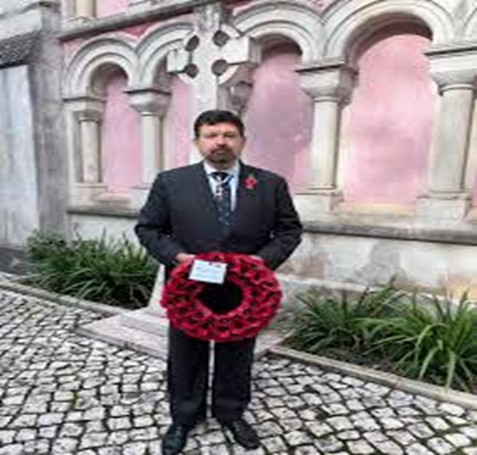
Frontispiece Figure A — The Irish “Prince of Sintra”: A Case Study in Saudi Old Guard Influence Networks and Transnational Intermediary Access
The following assessment examines the reported networks, historical precedents, and intermediary structures surrounding this individual within broader geopolitical influence systems.
Executive Summary
The individual presented on the preceding page, Anthony John James Bailey, sometimes referred to in public reporting as the “Irish Prince of Sintra,” serves as a representative example of a broader class of transnational intermediaries operating at the intersection of cultural diplomacy, institutional access networks, and legacy geopolitical influence structures. According to various reports and open-source documentation, Bailey’s activities across European, Saudi, and Caribbean environments illustrate how modern intermediary actors may function within influence ecosystems that rely on access, relationships, and institutional positioning rather than traditional intelligence tradecraft.
This report does not assess individual intent. Rather, it examines the structural environments within which such actors reportedly operate. These environments include historical Cold War influence architectures, the evolution of Russian hybrid geopolitical strategy, the legacy institutional networks sometimes described by regional analysts as the Saudi Old Guard, and the emergence of intermediary figures capable of operating across multiple geopolitical systems.
The assessment begins with the Cold War doctrinal foundations that shaped modern influence competition. Soviet intelligence doctrine increasingly emphasized influence cultivation through political, ideological, and institutional access rather than purely operational espionage. Parallel developments within Saudi geopolitical strategy produced influence models built around religious diplomacy, financial patronage, and long-term relationship networks. Although these systems developed in opposition, both relied on network influence rather than direct institutional control.
Modern Russian geopolitical strategy appears to reflect adaptation of these earlier influence doctrines into hybrid influence structures emphasizing cultural diplomacy platforms, elite access environments, and intermediary actors capable of operating within Western institutional ecosystems. Analysts frequently assess that these strategies prioritize positioning within networks rather than overt influence operations.
Within this evolving landscape, intermediary figures such as Bailey reportedly illustrate how access relationships can function as connective tissue between legacy geopolitical networks and contemporary institutional environments. Historical precedents for such intermediary roles can be found in Cold War financial actors such as Adnan Khashoggi, whose activities demonstrated how private individuals could operate within geopolitical environments without formal intelligence roles.
Portugal appears within this assessment as a relevant institutional environment due to its Cold War ideological history, its position within Western alliance systems, and its institutional openness. The report examines how such environments may function as access platforms within broader geopolitical network positioning strategies.
The assessment also considers the role of ideological ecosystems, including multipolar geopolitical narratives associated with Russian intellectual circles and certain Western political movements, in shaping the narrative environments within which influence networks operate.
Taken together, these elements suggest that modern geopolitical competition increasingly operates through networks rather than traditional state structures. Influence may be exercised through institutional relationships, cultural platforms, financial networks, and intermediary access actors rather than direct political control.
This report therefore examines the structural relationships, historical precedents, and network patterns surrounding these environments. It focuses on how Cold War influence doctrines evolved into modern hybrid geopolitical strategies and how intermediary actors may operate within these systems.
The purpose of this assessment is analytical rather than accusatory. All references to individuals and relationships are based on reported associations, historical patterns, and structural analysis of influence environments.
Narrative Analysis
During the Cold War, Portugal reportedly attracted sustained attention from Soviet intelligence services due to a convergence of geographic, political, and ideological factors. The country’s Atlantic position placed it at a strategic crossroads between North America, Western Europe, and maritime routes linking Africa and Latin America. As a NATO member located on the western edge of Europe, Portugal represented both a monitoring environment and a potential influence environment within the broader strategic competition between the Soviet Union and Western alliance systems.
The political transformation following the 1974 Carnation Revolution further increased Portugal’s strategic relevance. The sudden transition from the Estado Novo regime to democratic governance produced a fluid political environment characterized by ideological competition, institutional restructuring, and uncertainty regarding Portugal’s long-term geopolitical alignment. Intelligence historians frequently note that transitional political environments often attracted Soviet attention because they presented opportunities to shape emerging political landscapes through influence rather than direct intervention.
Within this environment, the Portuguese Communist Party reportedly maintained ideological alignment with Soviet political doctrine. This alignment reflected a broader Cold War pattern in which Western communist parties functioned as ideological partners rather than operational intelligence instruments. Soviet services nevertheless regarded such movements as influence environments capable of shaping public narratives and policy debates over extended periods.
The Saudi Old Guard’s Alignment with Qatar, Iran, and Russia Through LaRouche Networks and Portugal’s Role as a Strategic Platform
Introduction
Portugal has increasingly emerged as an operational environment for networks associated with what is often described as the Axis of Resistance, serving as a European access point for influence operations directed toward the United States. This evolution has accelerated during the political leadership of António Costa, particularly due to policy decisions that have shaped Portugal’s institutional openness and external positioning.
Understanding this development requires examining Portugal’s political networks, historical institutional culture, and structural vulnerabilities. These characteristics help explain why Russia, China, and Iran have invested strategic attention in a country that rarely occupies the center of geopolitical debate yet offers unique advantages due to its Atlantic geography, EU and NATO access, and enduring historical networks extending across Africa and Asia.
The Saudi Old Guard’s Alliance with Qatar, Iran, and Russia Through the LaRouche Movement and Portugal’s Role as a Strategic Platform
Introduction
Portugal has increasingly emerged as a permissive operational environment for networks associated with what is often described as the Axis of Resistance, serving as a European access point for influence activities directed toward the United States. This trend appears to have accelerated during the political leadership of António Costa, particularly as a result of policy decisions affecting Portugal’s institutional positioning and external relationships.
Understanding this development requires examining Portugal’s political networks, institutional culture, and structural characteristics. These factors help explain why Russia, China, and Iran would invest strategic attention in a country that rarely dominates geopolitical headlines yet offers important advantages due to its Atlantic geography, EU and NATO membership, and historical links to Africa, the Middle East, and Asia.
Section I
Soviet Intelligence Operations in Portugal and Their Institutional Legacy
Vladimir Ivanovich Yakunin occupies a central place in understanding the structure of Vladimir Putin’s political and institutional influence networks, both domestically and internationally. The assumption held by parts of the Western political establishment following the Soviet collapse — and again during Dmitry Medvedev’s presidency — that Russia would evolve into a conventional conservative state operating within a rules-based international order proved misplaced.
Yakunin’s trajectory instead reflects the persistence of Soviet intelligence culture within the modern Russian state and within informal influence networks extending beyond it.
Putin’s governing instincts were shaped within the KGB and continue to reflect that institutional background. Yakunin emerged from the same St. Petersburg intelligence milieu and developed alongside him within the First Chief Directorate, the branch responsible for foreign intelligence operations, recruitment of foreign assets, covert political penetration, and influence operations abroad.
Their relationship developed into one of long-standing personal trust reinforced by shared institutional formation and a common admiration for Konstantin Ivanovich Zarodov, widely known as Yuri Drozdov.
Zarodov represented a generation of Soviet intelligence officers who viewed political infiltration, ideological competition, and civilizational rivalry as inseparable components of statecraft. His influence on Yakunin extended beyond intelligence tradecraft into political outlook, shaping Yakunin’s later proximity to monarchist and Orthodox civilizational currents within Russian elite networks as well as his connections to aristocratic circles in Europe.
During the Soviet intervention in Afghanistan, Zarodov operated in a geopolitical environment that intersected indirectly with Saudi intelligence structures under Prince Turki Al-Faisal. These early points of indirect contact between Soviet and Saudi intelligence environments would later gain relevance as Russian and Saudi networks encountered one another again in different geopolitical contexts.
Russian influence activity in Europe operates through interconnected state, ideological, religious, financial and academic networks. These networks developed during the Soviet period and continued through post-Soviet political and intelligence structures.
These ideological networks continued after the Soviet collapse through individuals connected to Russian political, intelligence and business circles.
Konstantin Malofeev operates through financial backing of Orthodox nationalist initiatives and geopolitical projects linked to Russian conservative influence efforts. His activity connects religious institutions, political messaging and strategic narratives emphasizing traditionalism and sovereign political models.
Aleksandr Dugin developed the ideological framework associated with Eurasianism. His writing promotes a geopolitical bloc centered on Russia and organized around civilizational identity rather than liberal democratic norms. His ideas circulate among Russian nationalist intellectual circles and segments of the security and military policy environment.
Sergei Yevgenyevich Naryshkin directs the Russian Foreign Intelligence Service. His career includes leadership roles in the presidential administration and the State Duma. His position places intelligence collection, foreign influence operations and historical narrative policy inside the same institutional structure.
Russian foreign influence integrates intelligence operations, ideological messaging, historical narrative positioning and diplomatic engagement. These functions operate together rather than as separate tracks.
Zarodov belongs to the Soviet ideological generation.
Yakunin operates in post-Soviet influence relationship networks.
Dugin provides ideological narrative structure used inside geopolitical discussions.
Naryshkin oversees intelligence coordination and foreign influence activity.
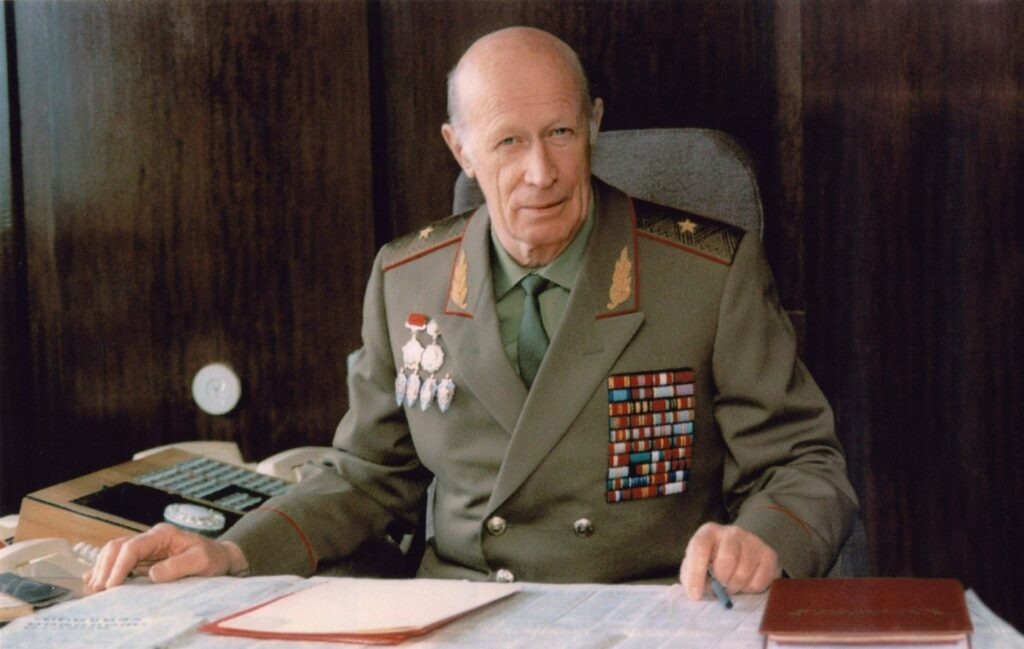
Figure I-1 — Yuri Drozdov (Konstantin Ivanovich Zarodov)
Source: Archival intelligence photography
Intelligence Note: Senior Soviet intelligence officer associated with long-term foreign penetration strategies targeting Western political and institutional environments.
Portugal’s political transition following the Carnation Revolution created conditions Soviet planners historically considered favorable for influence operations. The rapid dismantling of the Estado Novo system produced a generation of political actors who moved from revolutionary activism into positions across the Portuguese military, intelligence services, universities, media organizations, and party structures.
These networks did not remain confined to the Portuguese Communist Party. They spread across multiple ideological environments.
Some entered the Socialist Party. Others gravitated toward conservative or nationalist movements. Some aligned with the emerging political movement of Aníbal Cavaco Silva during the 1980s, attracted by his technocratic leadership style and emphasis on institutional discipline. Others entered CDS-PP or media environments that later fed into Portugal’s political establishment.
What emerged was not ideological coherence but institutional overlap.
The newspaper O Independente became one of the most important incubators of these overlapping networks. Founded by Paulo Portas and Luís Nobre Guedes and supported financially by Miguel Pais do Amaral, it functioned as more than a journalistic platform. It became a networking environment linking journalists, political operators, and future state officials whose relationships later shaped Portuguese elite dynamics.

Figure I-2 — Paulo Portas and Miguel Esteves Cardoso at O Independente
Source: Portuguese media archives
Intelligence Note: Media and political figures associated with networking environments linking Portuguese political, media, and national security elites.
Paulo Portas would later emerge as an influential figure in Portuguese defense and foreign policy circles. His political evolution reflected the ideological fluidity of the post-revolutionary period. His reported admiration for Álvaro Cunhal reflected respect for organizational discipline rather than ideological alignment, illustrating how institutional strength often attracted actors across ideological lines.
These overlaps produced what may be described as national-revolutionary ecosystems in which actors from socialist, conservative, Christian Democratic, monarchist, Salazarist, and neo-fascist traditions could coexist within overlapping institutional structures. The importance of this phenomenon lies not in ideological synthesis but in the durability of networks capable of surviving political transitions.
Soviet intelligence planners recognized the value of this environment early. The First Chief Directorate regarded the Portuguese Communist Party as one of its most reliable Western European partners. The PCP also maintained close relationships with Eastern Bloc intelligence services, including East Germany’s Stasi. Through these connections, Communist networks developed access to military and security environments while simultaneously interacting with nationalist and conservative actors whose interests sometimes overlapped on questions of authority and geopolitical autonomy.
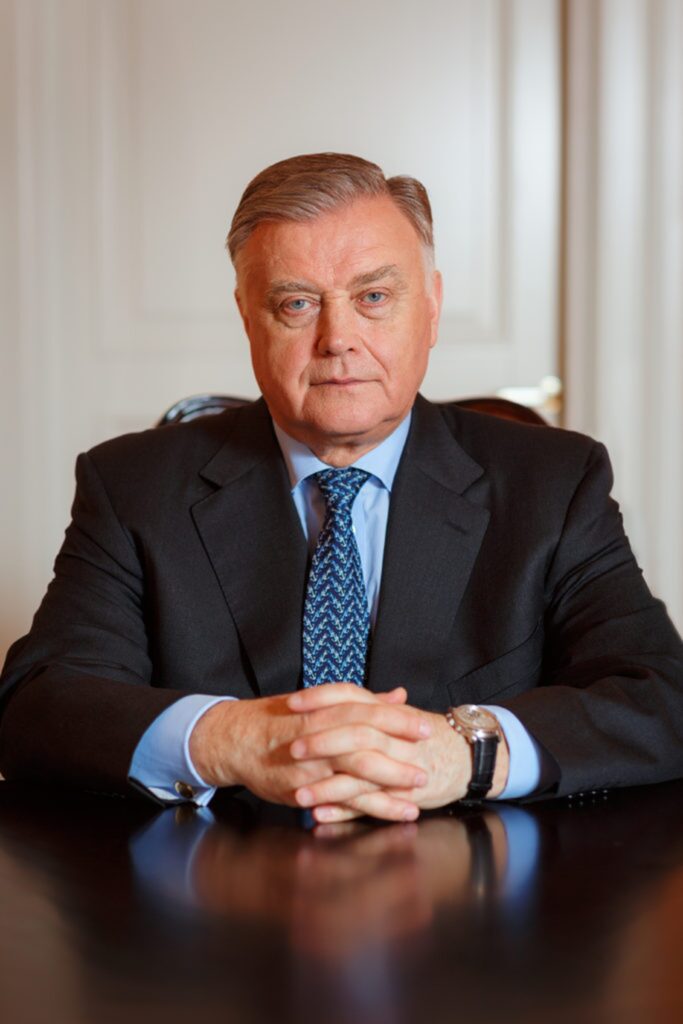
Figure I-3 — Vladimir Ivanovich Yakunin
Source: Public political photography
Intelligence Note: Former KGB officer and associate of Vladimir Putin active in Russian political, religious, and cultural influence networks across Europe.
One of the most detailed firsthand descriptions of Soviet operational depth in Portugal comes from Oleg Kalugin, a former KGB Major General responsible for First Chief Directorate operations in Western Europe and at various points positioned above Yakunin and Putin within the Soviet intelligence hierarchy.
After relocating to the United States, Kalugin published detailed recollections describing Soviet activities during Portugal’s revolutionary period. In The Spymaster: My Thirty-Two Years in Intelligence and Espionage Against the West, Kalugin described one episode illustrating the scale of Soviet access:
“One of the more outlandish episodes in the KGB’s European operations during my tenure occurred in the mid-1970s in Portugal, not long after the overthrow of the Salazar dictatorship. The Portuguese Communist Party was the third largest in Europe (after those of Italy and France), and in the mid- to late 1970s socialism and Communism enjoyed wide support in Portugal. Indeed, we had agents throughout the Portuguese intelligence service, and in the chaos that followed the socialist revolution that overthrew Salazar, our agents came up with a bold stroke. One night, with the help of moles and sympathizers inside the security apparatus, Portuguese working for the KGB drove a truck to the Security Ministry and hauled away a mountain of classified intelligence data, including lists of secret police agents working for the Salazar regime. The truckload of documents was delivered to our embassy in Lisbon, then sent by plane to Moscow, where analysts spent months poring over the papers. Portugal was a member of NATO, and there was some material of limited interest on American military operations in Europe. But the really valuable material was the list of the thousands of agents and informers who worked for the Salazar dictatorship (…)”
Kalugin emphasized that NATO-related intelligence was not the primary objective. The most valuable material consisted of internal Portuguese security records, including informant lists and political intelligence networks accumulated during the Estado Novo period.
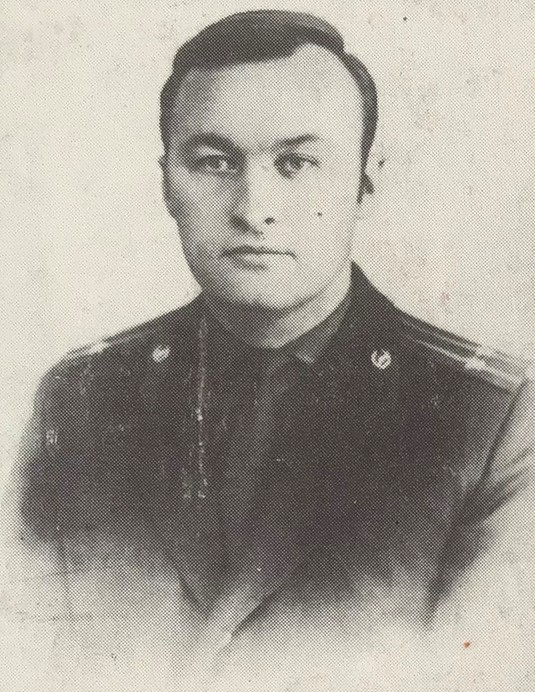
Figure I-4 — Oleg Kalugin
Source: Public appearance photography
Intelligence Note: Former KGB Major General whose later public disclosures described Soviet intelligence penetration of Portuguese institutions.
Kalugin later repeated these observations publicly in Portugal, triggering denunciations from Communist Party leader Álvaro Cunhal. Rather than retreat, he reiterated his position directly:
“The Communist Party of Portugal is our best and most loyal ally in Europe, and as a citizen and a Communist Party member of the former USSR I can only be grateful to them.”
Portugal’s strategic importance extended beyond its size. Its Atlantic geography, historical African connections, and networks linked to the former Portuguese Empire provided enduring value as an access corridor. Moscow therefore treated Portugal not as a peripheral country but as a gateway.
Kalugin also described how Portuguese Communist cooperation facilitated the transfer of political police archives to Soviet custody. These records extended across the geographical span of the former Portuguese empire, from metropolitan Portugal to Goa, Daman, Diu, Angola, Mozambique, and Timor. The information contained within those files included political relationships, administrative structures, and security networks affecting millions of individuals.
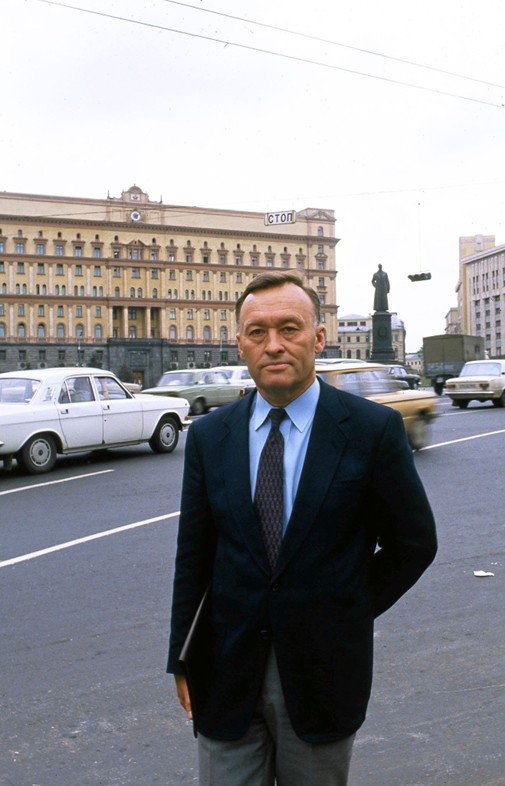
Figure I-5 — José Magalhães
Source: Portuguese parliamentary archives
Intelligence Note: Portuguese political figure associated with legislative debates concerning access to politically sensitive archival records.
The politics surrounding the remaining archives became highly sensitive. José Magalhães, a Socialist politician with earlier Communist connections and relationships extending into Cuban and Brazilian political environments, played a role in shaping legislation governing access to remaining PIDE files held at Torre do Tombo. His career illustrates the movement of individuals from Communist structures into Socialist political leadership through networks associated with Jorge Sampaio and António Guterres.
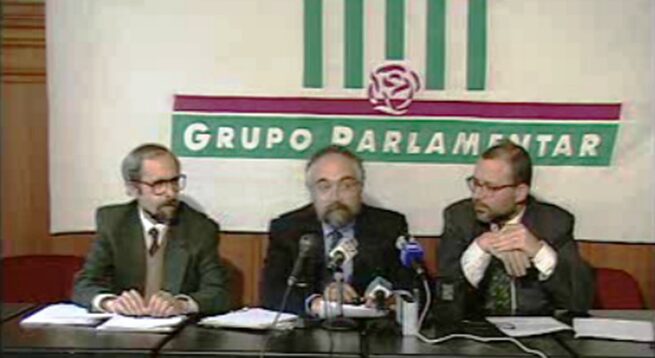
Figure I-6 — Torre do Tombo National Archive
Source: Portuguese archival photography
Intelligence Note: National archive facility housing politically sensitive historical records, including intelligence files from the Estado Novo period and Portugal’s overseas territories.
Portuguese criminal police later announced investigations into the disappearance of certain archive materials. These inquiries produced no visible public results. The sensitivity surrounding these files reflected the possibility that they contained information linking present democratic actors to structures of the former regime, including informants, political intermediaries, and journalists connected to Estado Novo propaganda structures.
Kalugin also described the doctrine of plausible deniability as a routine feature of Soviet intelligence tradecraft. Political actors could distance themselves from operations while benefiting indirectly from their outcomes. This logic later appeared in Russian hybrid strategy and Iranian asymmetric doctrine, particularly within operational thinking associated with the Qods Force.
Communist Party Lineages and the Political Formation of António Costa
One of the Portuguese Communist Party’s major figures was Orlando da Costa — the father of António Costa, former Portuguese Prime Minister and recently nominated President of the European Council. Orlando da Costa played a decisive role in elevating his son into Portuguese politics, first by asking his friend Jorge Sampaio — later President of Portugal and a close ally of Qatar in establishing several multilateral initiatives led by Doha, most notably the UN Alliance of Civilizations — to help the young António Costa, then a law student at the University of Lisbon, rise within the ranks of the Socialist Party.
Sampaio was also instrumental in helping António Costa develop close relations with the Portuguese Communist Party.
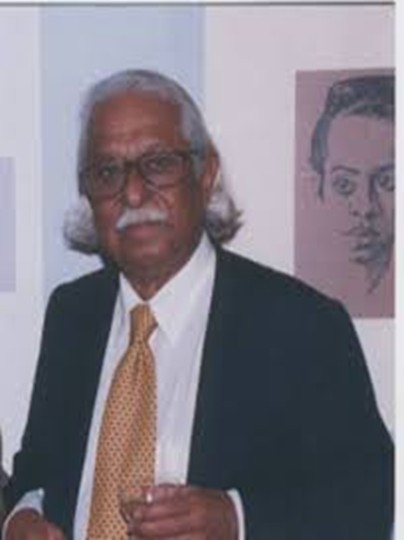
Figure I-7 — Orlando da Costa
Source: Original document image
Although formally a member of the Socialist Party, António Costa has been closely aligned with Portuguese Communist Party networks throughout his political career. The PCP itself is characterized in the document as a dual-nature organization: on one hand a rigidly orthodox political party following Soviet doctrine, and on the other a deeply traditionalist and nationalist organization reflecting longstanding Portuguese political culture, including the importance placed on family lineage as a criterion for political trust and advancement.
Within this political culture, the son or daughter of a Communist is considered part of the same political family and therefore entitled to protection. According to a well-known Portuguese lawyer familiar with the events, in 1989 Orlando da Costa persuaded Jorge Sampaio to appoint António Costa to an important role in Sampaio’s Lisbon mayoral campaign.
At the time Sampaio was being challenged by Marcelo Rebelo de Sousa, now President of Portugal. Sampaio’s campaign allegedly engaged in covert efforts to ridicule and politically damage Rebelo de Sousa’s reputation, described in the document as resembling a KGB-style political sabotage operation.
According to Marcelo Rebelo de Sousa himself, António Costa was responsible for these operations. Costa denied the accusation, reflecting what the document describes as a recurring political pattern: when confronted with damaging information, Costa’s response was described as “deny, deny, deny.”
Kalugin’s testimony and accounts from individuals outside Portugal who interacted with PCP structures indicate that such methods were consistent with training received by Portuguese Communist networks connected to Soviet influence environments in Europe and Africa, as well as anti-Portuguese movements in Goa, Daman, and Diu, where Orlando da Costa was politically active. These movements reportedly received support from the Soviet Union and the United Arab Republic.
This operational approach corresponds to the intelligence doctrine known as plausible deniability, described as the creation of credible legal and political alibis to deflect responsibility for controversial actions through legal arguments, information operations, or political counter-accusations. The document further links this approach to later Iranian operational thinking, noting that Qassem Soleimani became a master of this strategy within IRGC Qods Force unconventional warfare doctrine.
The political consequences of the 1989 campaign reportedly had lasting effects. According to the document, Marcelo Rebelo de Sousa developed lasting political caution toward António Costa. His brother, António Rebelo de Sousa — considered a moderate Socialist figure after moving from PSD to PS — reportedly acted as an intermediary between the two political figures during periods of tension.
Orlando da Costa’s own political activities further illustrate the complex ideological overlaps described in the document. He reportedly maintained relationships with nationalist movements in Goa while remaining a prominent PCP figure. Anti-imperialist sentiment is described as the common ideological ground linking these otherwise distinct political actors.
Some assessments have pointed to historical intersections between Portuguese nationalist, far-right, and communist activist circles that, particularly in the post-Cold War period, produced limited areas of ideological convergence sometimes described by researchers of European radical movements as national-revolutionary or national-communist tendencies. In this interpretation, such currents sought influence through intellectual, cultural, and bureaucratic channels, including academic institutions and state-adjacent networks.
In this context, the University of Lisbon has often been viewed by political observers as an important intellectual center connected to António Costa’s broader political environment. During a key period, the institution was led by José Barata-Moura, a philosopher associated with Portuguese left-wing intellectual circles and long-standing cultural figures connected to the Portuguese Communist Party, including Orlando da Costa. His trajectory reflected the enduring relationship between academic elites and ideological networks that emerged after Portugal’s democratic transition.
Accounts from individuals familiar with these circles have suggested that Barata-Moura maintained academic and intellectual contacts with Soviet institutions during the late Cold War, particularly through his role in translating major Marxist and communist philosophical works into Portuguese. These activities reflected broader patterns of ideological and academic exchange common among Western European communist intellectuals of that era.
During the Cold War, Soviet influence strategies frequently relied on academic cooperation, publishing initiatives, and cultural organizations to establish intellectual footholds across Western Europe. Contemporary security discussions occasionally draw parallels between those historical practices and modern Russian soft-power approaches, particularly in the use of cultural engagement and intellectual networks to cultivate long-term influence, although direct operational continuity in specific national cases remains difficult to demonstrate conclusively.
José Barata-Moura was later succeeded as rector of the University of Lisbon by António Sampaio da Nóvoa, another academic figure who later moved into diplomacy and politics. Sampaio da Nóvoa has been associated with progressive academic circles and maintained dialogue with various actors across Portugal’s left-wing political spectrum, including individuals connected to socialist and other far-left political environments.
Coming from a prominent legal family, with his father recognized as a respected Portuguese judge, Sampaio da Nóvoa developed a profile that combined academic leadership with increasing political relevance. His later alignment with António Costa reflected a convergence of political perspectives, particularly regarding international engagement, multilateral diplomacy, and a foreign policy outlook sometimes characterized by observers as receptive to multipolar geopolitical frameworks.
These overlapping academic and political trajectories illustrate how intellectual leadership positions, particularly within major universities, have at times intersected with broader political networks and strategic influence within Portugal’s institutional landscape.
A key lesson attributed to Orlando da Costa’s political experience was the importance of controlling cultural institutions, universities, and media structures as a means of maintaining long-term influence over the political system.
Until his death, Orlando da Costa remained active in PCP intellectual and cultural affairs. The document argues that this legacy contributed to a sense of obligation within PCP networks to support António Costa politically and that Costa in turn facilitated access for pro-Russia, China, and Iran aligned Communist networks within Portuguese state structures.

The University of Lisbon is described as a central institutional base for Costa’s political network. According to the document, Costa benefited from the support of José Barata Moura, a PCP-aligned academic who served as rector of the university and maintained links to Communist cultural structures similar to those of Orlando da Costa.
According to a former associate of the Portuguese Communist Party (PCP) now working at Avante, the party’s publishing house, José Barata Moura reportedly maintained intellectual contacts with Soviet institutions during the late Cold War period and played a role in translating major communist theoretical works into Portuguese. His activities reflected the broader pattern of ideological cooperation that existed between Western European communist intellectual circles and their Soviet counterparts during that era.
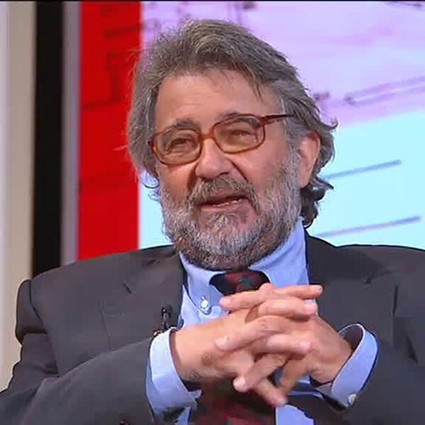
José Barata-Moura, a Marxist-Leninist intellectual associated with Portuguese communist circles, is regarded as an academic influence on António Sampaio da Nóvoa and is considered politically close to former Prime Minister António Costa. His scholarly works have been published by Avante Edições, the publishing arm of the Portuguese Communist Party, reflecting his longstanding proximity to the party’s intellectual and cultural networks.
These types of relationships developed in parallel with the Soviet Union’s well-established practice of using cultural institutions, academic exchanges, and publishing networks as instruments of long-term political influence. Rather than relying exclusively on formal political channels, this approach emphasized shaping intellectual discourse and cultivating sympathetic networks within universities, media, and cultural organizations.
This model of influence relied heavily on intermediaries operating in academic and cultural environments, particularly those involved in translation, publishing, and intellectual production, as they played an important role in introducing and normalizing ideological frameworks within domestic debates. Such actors often occupied positions that allowed them to shape the transmission of political thought without direct involvement in formal party structures.
Discussions about Russian influence operations in the post-Soviet period have continued to reference the historical importance of cultural and intellectual engagement as a means of maintaining visibility and access within European political and academic environments, particularly through non-governmental and educational channels.
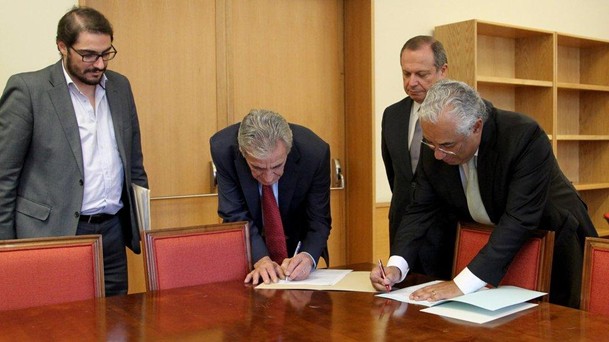
António Costa formalizing a parliamentary support agreement with the Portuguese Communist Party (PCP) following the 2015 general election, a political arrangement that enabled the Socialist Party to form a governing majority despite finishing second to the center-right coalition led by then-Prime Minister Pedro Passos Coelho. The agreement marked an unprecedented power-sharing understanding between the Socialists and the PCP, a party historically aligned with Marxist-Leninist doctrine and known for its traditionally favorable positions toward Russia, China, and Iran.
Source: Original document image
Barata Moura was later replaced as rector by António Sampaio da Nóvoa, another academic figure described as close to PCP and other Portuguese far-left organizations. Sampaio da Nóvoa, whose father was a prominent Portuguese judge, is described as a strong political ally of António Costa and supportive of what the document characterizes as a multipolar geopolitical worldview.
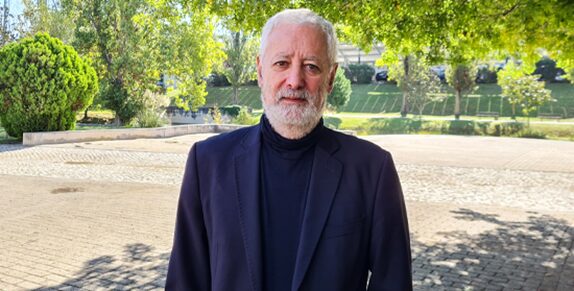
Figure I-10 — António Sampaio da Nóvoa
Source: Original document image
António Sampaio da Nóvoa, a former militant associated with the far-left revolutionary group LUAR (Liga de Unidade e Ação Revolucionária), later emerged as an influential intellectual figure within Portuguese political circles and is widely regarded as having contributed to António Costa’s political repositioning strategy often described as a “new political phase” in Portugal. Within this context, some observers have argued that this period coincided with the increased visibility of political networks and policy perspectives perceived as more open to engagement with Russia, China, and Iran within certain sectors of the Portuguese state and policy establishment.
Following this period, António Costa appointed Sampaio da Nóvoa as Portugal’s ambassador to UNESCO in Paris, a position reflecting both political trust and recognition of his academic and diplomatic profile. Some international commentators have drawn comparisons between Sampaio da Nóvoa’s ideological positioning and that of figures such as Jeremy Corbyn, particularly in reference to his perceived alignment with progressive internationalist currents within European politics.
After completing his diplomatic assignment, Sampaio da Nóvoa was subsequently selected by Costa to serve on the Portuguese Council of State, a senior advisory body to the President of the Republic composed of prominent political and institutional figures. This appointment further reflected the longstanding personal and political connections between Costa, Sampaio da Nóvoa, and former Portuguese President Jorge Sampaio.
Jorge Sampaio himself played an important role internationally as one of the political sponsors of the United Nations Alliance of Civilizations initiative, alongside Spanish former Prime Minister José Luis Rodríguez Zapatero and Turkish President Recep Tayyip Erdoğan. The initiative was formally established under UN auspices to promote intercultural dialogue and conflict prevention. While some analysts have offered critical interpretations of the geopolitical implications of this framework and the involvement of various state sponsors, it remains broadly recognized as a multilateral diplomatic platform rather than an intelligence structure.
This network of personal, academic, and political relationships illustrates the degree to which overlapping diplomatic, intellectual, and political elites have shaped aspects of Portugal’s international positioning over the past two decades, particularly in areas related to multilateral engagement and global governance initiatives.
Hugin und Munin National-Revolutionary Networks
The convergence between Portuguese communist structures, nationalist factions, and elements of the security and media establishment developed gradually through overlapping personal networks formed during the Cold War and the period following the Carnation Revolution. Soviet intelligence doctrine emphasized building bridges between ideologically opposed factions in order to create durable influence structures inside Western states rather than relying on direct confrontation.
Former KGB officer Yuri Drozdov played an intellectual role in shaping the strategic thinking that later influenced Portuguese revolutionary circles. His approach emphasized penetration of military, intelligence, and political structures through long-term recruitment and ideological hybridization.
This approach found fertile ground in Portugal during the political instability of the 1970s and 1980s, when revolutionary movements, communist activists, nationalist groups, and right-wing authoritarian circles frequently intersected within the same political environments. Over time, individuals from these networks entered major positions in the Portuguese military, intelligence services, media institutions, and political parties.
Some figures emerging from these circles later joined mainstream political parties including the Socialist Party, CDS, and networks linked to former Prime Minister Aníbal Cavaco Silva, demonstrating the permeability between ideological camps that later characterized Portuguese institutional dynamics.
Others expanded their influence through media channels. The newspaper O Independente, associated with Paulo Portas, Luís Nobre Guedes, and Miguel Pais do Amaral, became an important meeting ground for figures who would later shape Portuguese political and security debates. The personal loyalties and alliances formed during this period continued to influence relationships across Portuguese political, intelligence, and media structures.
From this convergence of communist networks, nationalist factions, media actors, and security figures emerged what became known as the national-revolutionary network referred to as Hugin und Munin, an informal but influential ecosystem operating across institutional, political, and cultural environments.
The structure reflected a hybrid ideological model combining Soviet organizational discipline with nationalist and traditionalist narratives. This fusion allowed the network to operate across ideological boundaries while maintaining long-term institutional continuity.
The Portuguese Communist Party played an important structural role in this ecosystem due to its historic links with Soviet intelligence structures and its long-standing penetration of labor organizations, academic environments, and administrative institutions. At the same time, cooperation with nationalist and conservative elements demonstrated the pragmatic rather than purely ideological nature of these alliances.
The importance of family lineage and personal loyalty networks also became a defining feature of this environment. Orlando da Costa, a prominent member of the Portuguese Communist Party and father of António Costa, represented one example of how political advancement could be facilitated through long-standing personal relationships developed within ideological networks.
His role in helping position António Costa within Portuguese political structures, including facilitating connections with Jorge Sampaio and strengthening ties with the Communist Party, reflects the importance of mentorship and network sponsorship in Portuguese political advancement.
This environment also reinforced an operational lesson transmitted across generations: that control over universities, cultural institutions, and media environments provides the most durable form of political influence. Rather than relying on electoral cycles, influence rooted in institutional ecosystems can persist for decades.
These lessons would later intersect with the interests of Russian, Chinese, and Iranian networks seeking access to Portuguese institutional environments, particularly universities and cultural organizations. The existence of pre-existing ideological and personal networks created entry points that could be leveraged by external actors seeking long-term positioning.
The Hugin und Munin ecosystem therefore functioned less as a formal organization than as a networked environment connecting political actors, cultural intermediaries, media figures, and institutional insiders. Its significance lies not in formal hierarchy but in the density of interpersonal relationships linking these environments.
These same networks would later intersect with figures connected to Russian influence structures, including Vladimir Yakunin’s intellectual and cultural diplomacy initiatives, which similarly emphasized civilizational dialogue and institutional engagement as vehicles of influence.
The network would also later intersect with intermediary figures such as Anthony Bailey, whose activities connected religious diplomacy, aristocratic networks, and transnational influence circles. These connections illustrate how legacy Cold War networks could evolve into modern hybrid influence ecosystems spanning political, cultural, and religious domains.
Portugal’s relatively small elite environment, dense personal networks, and historic role as a bridge between Europe, the Atlantic world, and former colonial regions made it particularly suitable terrain for such network consolidation. Influence in such an environment depends less on formal authority than on long-standing relationships, mutual loyalties, and shared institutional pathways.
Within this context, Hugin und Munin represents not a conspiracy structure in the classical sense but a long-term convergence of ideological, personal, and institutional relationships capable of facilitating access across multiple domains of Portuguese state and civil society structures.
Russian, Chinese and Iranian influence networks in Portuguese academic, political and cultural institutions
As Portugal remains a highly centralized country with a hierarchical administrative structure and a relatively weak civil society dependent on state institutions, influence over the political system often translates into influence over broader society. Control or influence within universities, cultural institutions and political networks therefore carries strategic importance.
Russian, Chinese and Iranian networks have historically demonstrated interest in leveraging long-standing Portuguese elite networks, including political families, academic circles and ideological movements sometimes described as national-revolutionary environments, including circles associated with the Hugin und Munin milieu.
These environments historically intersected with Portuguese academic structures, media institutions and political organizations. Their relevance derives not only from ideological alignment but from their access to institutional pathways connecting academia, government and cultural organizations.
José Barata-Moura, a Marxist-Leninist academic and mentor of António Sampaio da Nóvoa, maintained proximity to António Costa’s political environment. His publications were issued through Avante Edições, the publishing house associated with the Portuguese Communist Party.
During the 2015–2016 period, António Sampaio da Nóvoa played an important role in António Costa’s political strategy to remove Prime Minister Pedro Passos Coelho. In March 2015, Sampaio da Nóvoa launched a presidential platform bringing together elements of the far-left, sectors of the Socialist Party aligned with Costa and nationalist-traditionalist groups opposed to Marcelo Rebelo de Sousa.
From the period of Barata-Moura and Sampaio da Nóvoa’s leadership, parts of the University of Lisbon increasingly reflected networks politically aligned with Chinese, Russian and Iranian geopolitical interests. António Costa relied heavily on the university as a recruitment base, with many cabinet members and senior bureaucratic appointments originating from its faculties and institutes.
Within this same environment, political pressure networks reportedly developed mechanisms of intimidation directed at critics of these structures. Portuguese President Marcelo Rebelo de Sousa indirectly acknowledged Costa’s geopolitical orientation when he remarked to foreign journalists that Costa was “too oriental” (see F-13).

For different strategic and institutional reasons, Russia, China, and Iran have demonstrated an interest in accessing historical knowledge repositories abroad, including archival collections considered relevant to diplomatic history, imperial networks, and long-term geopolitical patterns. One area of particular sensitivity in Portugal is the national historical archive known as Torre do Tombo, located within the University of Lisbon complex and housing extensive documentation covering Portugal’s monarchical period, the Age of Discoveries, and the 20th century authoritarian era, including records from the former political police (PIDE).
From an intelligence and strategic culture perspective, these states traditionally attribute significant value to historical documentation as a component of statecraft, national narrative construction, and geopolitical analysis. Former Soviet intelligence figures such as Oleg Kalugin have publicly described the Russian tradition of treating historical archives as strategic resources, not only for intelligence background work but also for shaping ideological and diplomatic narratives.
Within this framework, foreign research interest in Portuguese archival material may extend to subjects such as the historical relationships between the Portuguese royal house and other European dynasties, Portugal’s maritime expansion and global trade networks during the Age of Discoveries, and the evolution of Portugal’s security institutions during the 20th century. Such areas of study can carry relevance for comparative historical analysis, diplomatic history research, and broader geopolitical scholarship.
The strategic valuation of historical archives by these countries reflects a broader tradition in which historical knowledge is treated not only as cultural heritage but also as a form of informational capital capable of informing long-term geopolitical perspectives and state narratives.
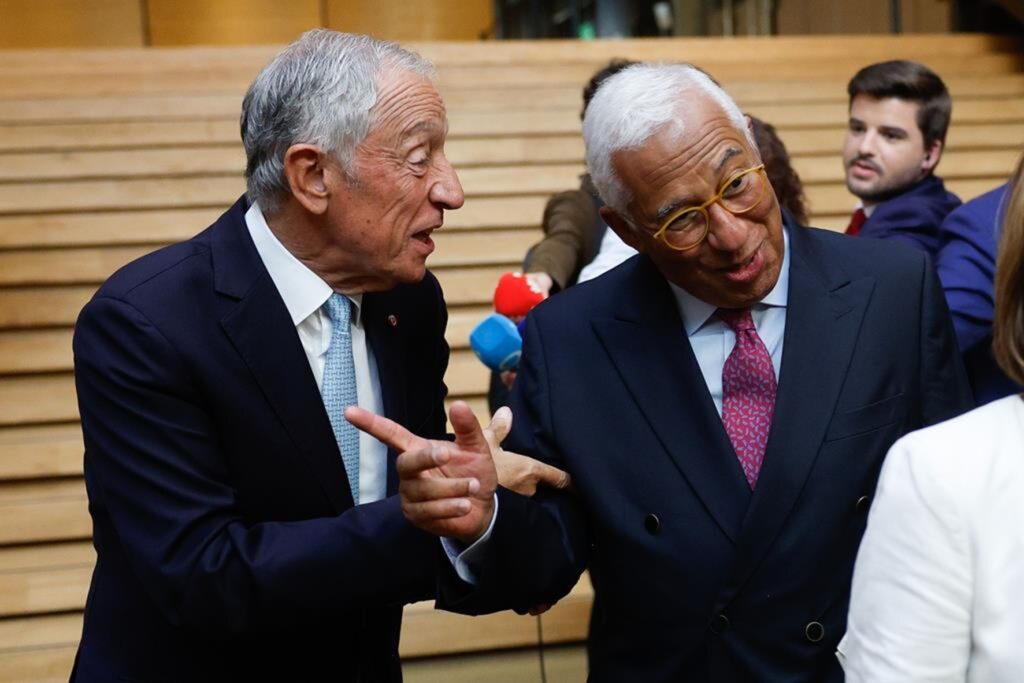
F-13 — Portuguese President Marcelo Rebelo de Sousa with António Costa.
(No caption provided in source.)
Russia, China and Iran demonstrate particular interest in the University of Lisbon for multiple reasons. A central factor uniting these actors is their interest in obtaining information, documents and historical data from the Portuguese national archive Torre do Tombo located within the university complex (see F-12).
The Portuguese Communist Party (PCP) continues to maintain historical ideological affinities with states such as Russia and China, reflecting long-standing political, cultural, and intellectual linkages that date back to the Cold War period and earlier traditions of international communist cooperation.
Beyond ideological considerations, Russian, Chinese, and Iranian strategic narratives have at times incorporated civilizational and cultural interpretations of Portugal’s historical identity, including references to the concept of the “Fifth Empire” articulated by the Portuguese poet Fernando Pessoa. In this reading, Portugal’s historical role as a maritime and cultural bridge between civilizations is viewed as part of a broader spiritual or civilizational framework that emphasizes multipolarity and cultural pluralism in global affairs.
Cultural diplomacy has consequently remained an important instrument in the development of bilateral relations. Cultural centers, academic partnerships, artistic exchanges, and heritage initiatives have served as platforms for deepening engagement with Portuguese institutions, particularly in the areas of historical research, literature, and intercultural dialogue. Such activities are consistent with broader international practices in which states use cultural outreach to strengthen soft-power presence and long-term institutional relationships.
Within this context, the National Archive of Torre do Tombo has hosted exhibitions and historical initiatives highlighting Portugal’s diplomatic relations with countries including Russia and Iran. These events, which have included the participation of senior diplomatic representatives, have generally been presented as part of routine cultural diplomacy efforts aimed
Torre do Tombo hosted exhibitions highlighting Portuguese-Russian and Portuguese-Iranian diplomatic relations (see F-14).
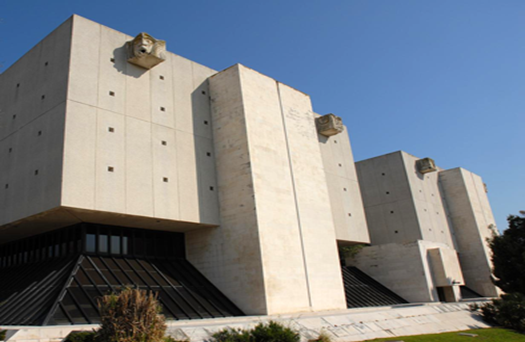
F-14 — Exhibition on Portuguese–Russian and Portuguese–Iranian historical relations hosted at Torre do Tombo.
(Caption normalized from source description.)
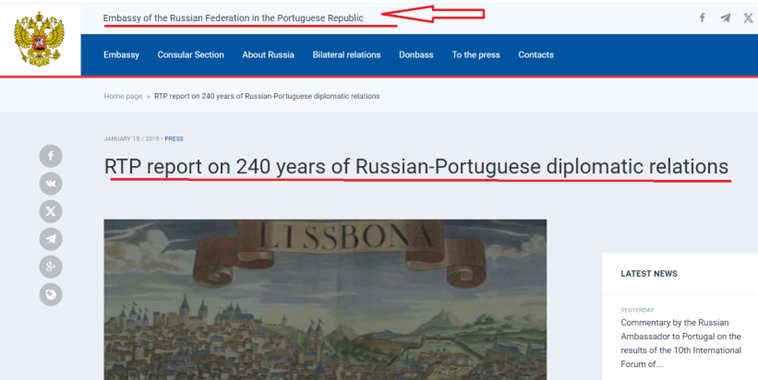
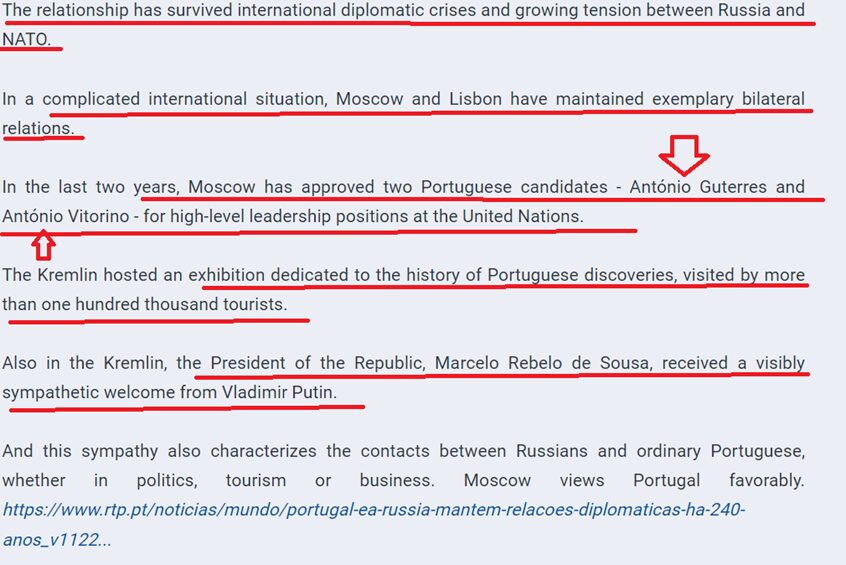
One interpretation of these diplomatic engagements has been that they also served to acknowledge Russia’s diplomatic support for the successful candidacies of Portuguese nationals to senior positions in major international organizations, notably António Guterres as Secretary-General of the United Nations and António Vitorino as Director General of the International Organization for Migration (IOM).
Portuguese public broadcaster RTP has also covered aspects of Portugal–Russia bilateral relations in a generally positive diplomatic context, including programming produced with the cooperation of the Russian Embassy in Lisbon. Such coverage has typically been framed within the broader context of public diplomacy, highlighting cultural ties and multilateral cooperation rather than formal political alignment.
Vladimir Yakunin–linked intellectual and policy networks have also demonstrated interest in the historical collections of the Torre do Tombo National Archive, particularly in materials related to ideological figures such as Konstantin Ivanovich Zarodov, regarded in Soviet political thought as an important theorist of international communist strategy and an intellectual influence within broader Soviet-era ideological circles. Portuguese academic publications examining Zarodov’s work have drawn attention in this context, particularly those produced by scholars who later moved into political or institutional roles and who maintained past or present links to the Portuguese Communist Party and other far-left political movements.
Among the publications cited in this context is the historical journal Estudos Sobre Comunismo (“Studies on Communism”), edited by figures associated with Portugal’s far-left intellectual milieu, including individuals connected to strands of national-revolutionary political thought. These intellectual networks have been described as having exercised influence within parts of the Portuguese state, media, academic, and civil society sectors, particularly in shaping narratives concerning Russia, China, Iran, and their associated international political positions.
Cultural engagement has remained a particularly important channel through which Russia—and to varying degrees Iran and China—have sought to maintain visibility within Portuguese institutional and intellectual environments. Historical exhibitions, academic exchanges, and cultural cooperation initiatives have provided structured platforms for this engagement.
One illustrative example was the exhibition “Portraits of the Portuguese Royal Family to the Chesmenski Palace,” held in Saint Petersburg in November 2019. According to official Portuguese information provided at the time by the Portuguese Embassy in Russia, then led by Ambassador Paulo Vizeu Pinheiro, the exhibition consisted of “of five paintings portraying members of the Portuguese royal family of the 18th century, from the permanent collection of that museum. The paintings, commissioned by Catherine II and authored by Miguel António do Amaral, refer to portraits of D. José I and his wife, D. Mariana Vitória; their daughter, Maria Francisca (future D. Maria I) and her husband, Prince D. Pedro (younger brother of D. José I); and of the son of both, D. José, Prince of Brazil.”
The same exhibition also included the display of the original version of the Treaty of Friendship, Navigation and Trade signed between Portugal and Russia in 1787, described in official materials as “a key milestone in diplomatic relations between the two countries,” with the document made available by the Torre do Tombo National Archive. The initiative was organized jointly by the Sharing Foundation of Portugal, the Center for Russian Art and Culture of Portugal, ARTIS — Institute of Art History of the Faculty of Arts of the University of Lisbon, the National Archives Institute/Torre do Tombo, and the Tretyakov Foundation, with the support of the Embassy of Portugal in Moscow.
During António Costa’s tenure as Prime Minister, including the period in which Portugal held the rotating presidency of the Council of the European Union, questions were occasionally raised in political debate regarding the government’s positioning toward Russian and Iranian foreign policy issues.
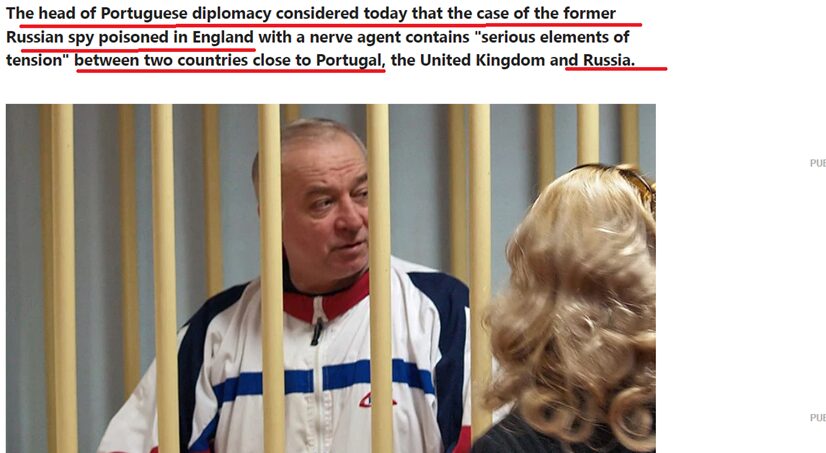
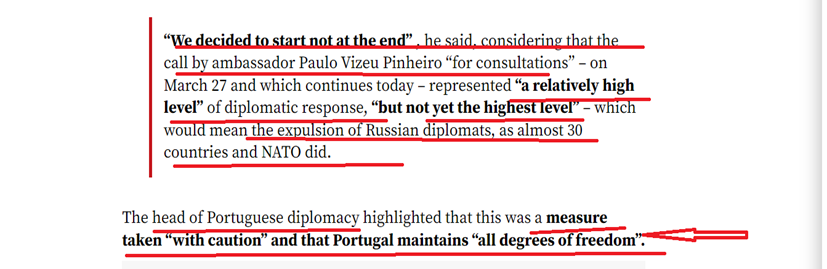
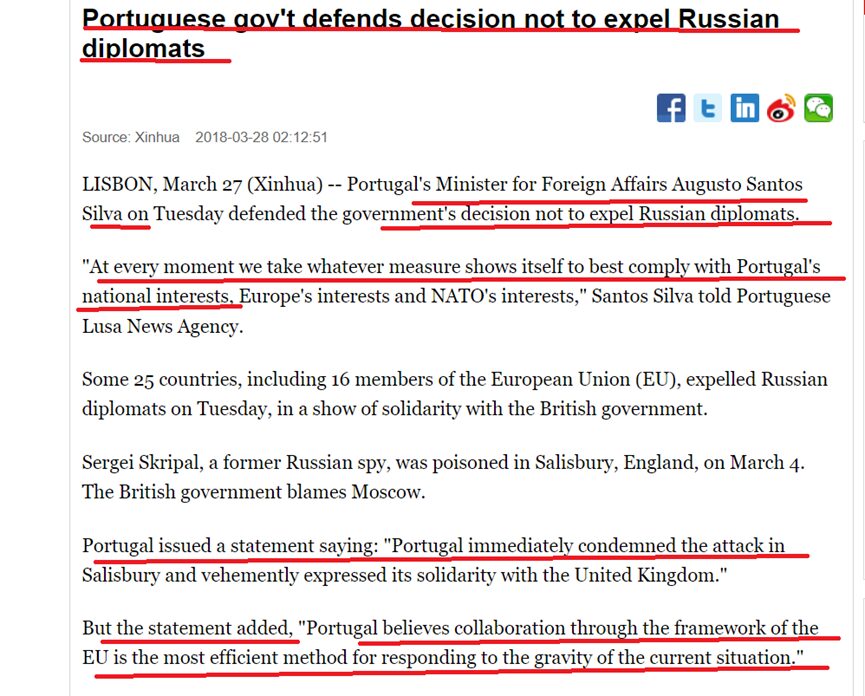
One frequently cited episode concerns the Portuguese government’s reaction following the Kremlin-linked poisoning of Sergei Skripal in the United Kingdom. While many Western governments responded rapidly with diplomatic expulsions and coordinated political measures, Portugal’s response was more measured and delayed. The government initially framed the incident cautiously, with some officials characterizing it as a dispute involving former intelligence operatives rather than immediately adopting the more forceful language used by other European governments.
At the time, Foreign Minister Augusto Santos Silva, a close political ally of both António Costa and António Guterres, publicly called for caution, emphasizing the need to await further verification. He urged the importance of patience, the need to understand the Russian position, and the importance of waiting for “more intel,” while also suggesting that British intelligence assessments might reflect the United Kingdom’s direct involvement in the dispute. Santos Silva also described both the United Kingdom and Russia as two “close countries to Portugal,” a formulation that drew criticism from some political quarters.
In a coincidental development that reduced the immediate diplomatic pressure on Lisbon’s representation in Moscow, Ambassador Paulo Vizeu Pinheiro was reportedly in Portugal on Easter leave during this period, thereby avoiding the need for a formal recall from his post at that specific moment.
The exhibition included the original Treaty of Friendship, Navigation and Trade signed between Portugal and Russia in 1787.
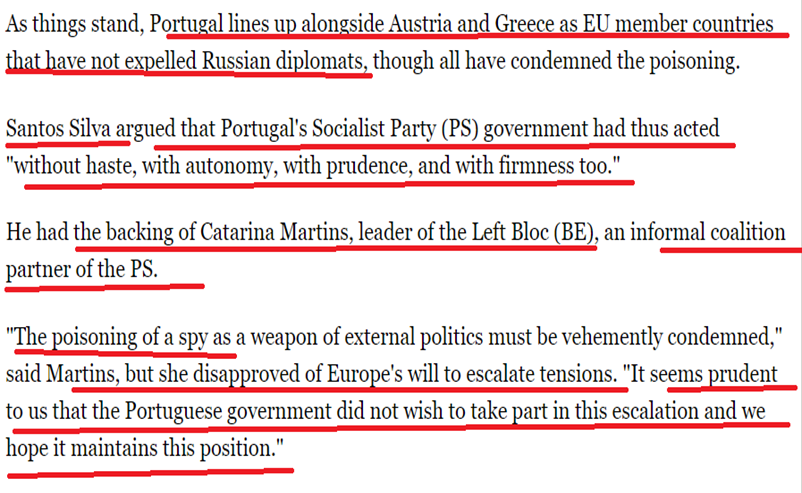
The Portuguese government’s calibrated response to the Skripal incident under Prime Minister António Costa and Foreign Minister Augusto Santos Silva was noted positively in coverage by Xinhua, the official news agency of the Chinese Communist Party. The reporting emphasized what it described as Portugal’s resistance to “rushed decisions,” highlighting statements by Augusto Santos Silva and by Catarina Martins, a prominent figure of Portugal’s far-left political spectrum, as examples of a more cautious European approach to the crisis.
Portugal’s position was broadly aligned with a small group of European countries, including Greece and Austria, which also adopted more restrained responses compared to the stronger collective measures taken by many NATO and EU member states. This alignment drew attention in diplomatic and analytical circles due to the presence of Russian political, business, and cultural networks in these countries, including initiatives associated with figures such as Vladimir Yakunin and other individuals with backgrounds in Soviet-era state and intelligence structures.
The convergence of these positions was interpreted in some quarters as reflecting a combination of domestic political considerations, economic ties, and foreign policy traditions emphasizing dialogue and diplomatic balance, rather than automatic alignment with more confrontational responses toward Moscow.
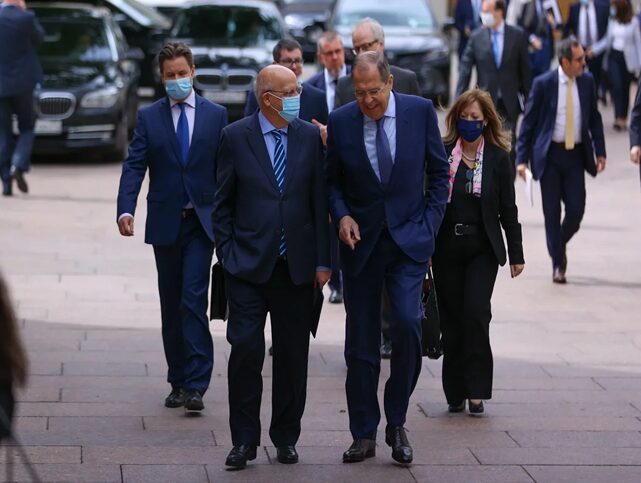
Portuguese Foreign Minister Augusto Santos Silva, a close political ally of Prime Minister António Costa, is pictured during an official visit to Moscow in meetings with Russian Foreign Minister Sergey Lavrov. Also present was Portugal’s ambassador to Russia at the time, Paulo Vizeu Pinheiro, a senior career diplomat who would later be entrusted by Costa with responsibilities related to the coordination of Portuguese intelligence structures.
Vizeu Pinheiro subsequently played a prominent role in overseeing security coordination efforts related to World Youth Day (Jornadas Mundiais da Juventude), the large-scale Catholic international gathering hosted by Portugal. His responsibilities included aspects of interagency coordination and security planning associated with the event, which involved extensive international participation and required complex logistical and communications management, including public relations engagement by various international stakeholders.
Following these assignments, Vizeu Pinheiro was appointed Portugal’s Permanent Representative to NATO. Throughout his diplomatic career he has also maintained professional relationships with senior Portuguese and European political figures, including former European Commission President José Manuel Durão Barroso. He is also regarded as a respected figure within Social Democratic Party (PSD) circles in Odivelas, reflecting the cross-party professional networks often characteristic of Portugal’s diplomatic corps.
As a career diplomat, Vizeu Pinheiro operated within the framework of Portuguese administrative and diplomatic law, under which ambassadors are required to execute the foreign policy directives of the government of the day, irrespective of personal political views.
In his memoirs, former British Prime Minister Boris Johnson described his diplomatic efforts to persuade European partners to adopt coordinated measures against Russia following the Salisbury poisoning incident. Johnson listed the countries that joined collective responses, including diplomatic expulsions, and noted that the absence of certain countries from that list was, in his view, indicative of varying degrees of political willingness among European governments to confront Moscow following the attack.
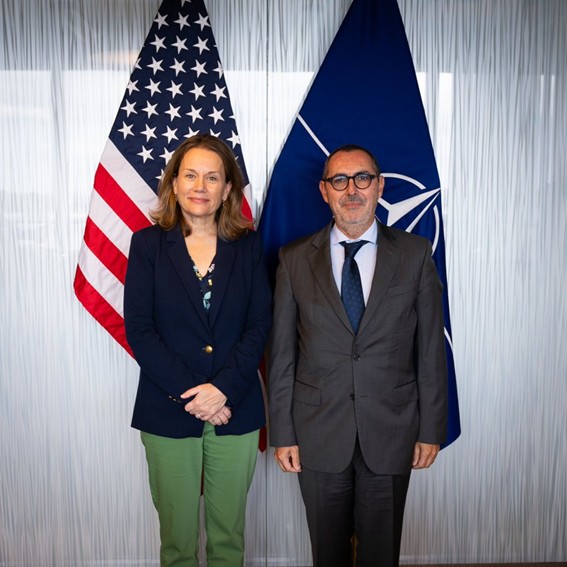
Paulo Vizeu Pinheiro was appointed Portugal’s Permanent Representative to NATO during the final period of António Costa’s tenure as Prime Minister, a nomination reflecting his senior standing within Portugal’s diplomatic and security establishment.
Prior to this appointment, while serving in a coordinating role within Portugal’s intelligence framework, Pinheiro was involved in the interagency security and organizational preparations surrounding World Youth Day, the major Catholic international youth gathering hosted by Portugal. The event brought together a wide range of international religious, diplomatic, and civil society actors and required extensive coordination between security services, government institutions, and external stakeholders, including individuals involved in communications and public engagement related to the initiative.
HUMINT continuity and archival intelligence relevance
The historical context of Soviet intelligence activity in Portugal provides important background for understanding contemporary strategic interest in Portuguese institutional environments.
Oleg Kalugin described how Soviet intelligence benefited from access to political and institutional networks following the Portuguese revolution. His account also described the removal of sensitive documentation from Portuguese security archives during the post-revolutionary period.
These materials reportedly included intelligence files concerning political networks, informant structures and institutional relationships developed during the Estado Novo period.
José Magalhães, a Portuguese Socialist politician with previous connections to the Communist Party and involvement in archival matters, later proposed legislative initiatives concerning access to remaining PIDE documentation stored at Torre do Tombo. Magalhães also served as Secretary of State for Internal Administration alongside António Costa.
Magalhães also participated simultaneously in parliamentary friendship groups involving both the United States and Cuba, illustrating the dual diplomatic positioning characteristic of parts of the Portuguese political environment during this period.
Portuguese criminal police examined the removal of PIDE documentation from national archives. No significant institutional consequences resulted due to the political sensitivity of the issue.
This historical background explains why archives, universities and cultural institutions continue to represent HUMINT environments for foreign influence networks, particularly through academic cooperation, cultural exchanges and historical research initiatives.
Vladimir Yakunin and Anthony John James Bailey have operated within overlapping religious, cultural, and geopolitical networks with activities extending across Portugal and into broader European and transatlantic environments.
The exhibition referenced earlier took place at the State Hermitage Museum in Saint Petersburg, a major state-controlled cultural institution that also functions as an instrument of Russian cultural diplomacy. The museum has been used to reinforce official narratives emphasizing Russia’s historical continuity, imperial legacy, and civilizational identity. Founded under Catherine II (“Catherine the Great”), the Hermitage carries strong symbolic value within Russian strategic culture, particularly among political elites who emphasize the restoration of Russia’s historical prestige and global stature.
Catherine the Great remains a prominent historical reference point among figures close to the contemporary Russian establishment, including Vladimir Yakunin and his wife Natalia Yakunina, who have been associated with cultural and philanthropic initiatives connected to Russian heritage institutions. Their involvement reflects a broader pattern of elite patronage linking cultural institutions with networks close to the Russian state.
Russian intelligence and influence structures, building on practices developed during the Soviet period, have long used cultural, historical, and academic institutions as access points for relationship-building within Western political, academic, and business environments. These platforms provide opportunities to cultivate formal and informal networks, identify potential partners, and expand long-term influence through soft-power engagement. The accumulated institutional knowledge inherited from decades of Soviet intelligence activity continues to inform these approaches.
Yakunin and his family have also been associated with patronage and support activities connected to cultural institutions such as the Hermitage, reinforcing the role of cultural diplomacy as a strategic interface between Russian state interests and international elite networks.
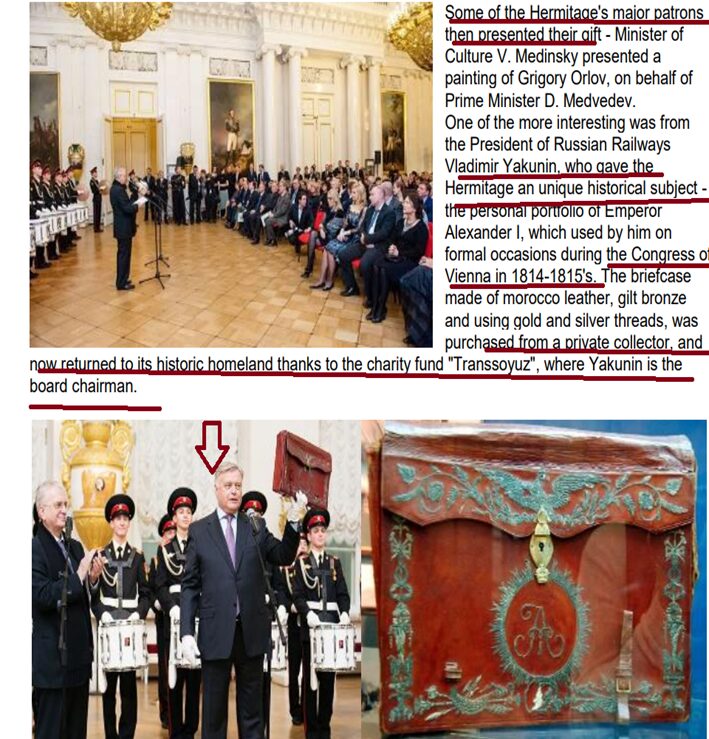
Vladimir Yakunin, widely regarded as a close associate of Vladimir Putin, has supported a network of cultural initiatives, policy forums, charitable foundations, and intellectual platforms across Western Europe. These activities have often been framed within the ideological concept of “Eurasianism,” a geopolitical doctrine emphasizing civilizational identity, multipolarity, and the positioning of Russia as a bridge between Europe and Asia.
Yakunin has also been associated with cultural patronage activities, including contributions of historical objects and support for exhibitions linked to Russian heritage institutions such as the State Hermitage Museum in Saint Petersburg. Some items displayed at the museum have reportedly been connected to collections originating from Austria, where Yakunin has maintained residential and institutional ties. While Yakunin has been subject to sanctions imposed by the United States and the United Kingdom, the European Union has at various times adopted different approaches regarding his status, reflecting the complexities of sanctions coordination across jurisdictions.
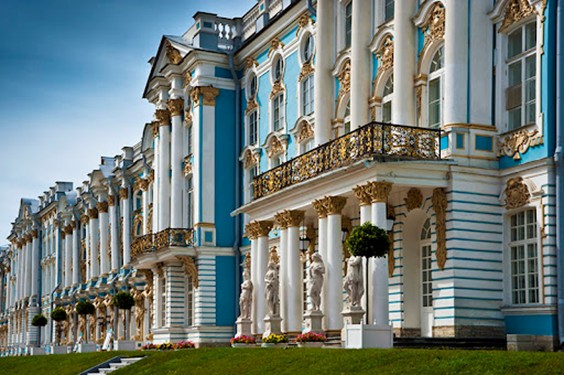
The Portuguese–Russian exhibition referenced earlier also drew symbolic significance from its association with the Chesme (Chemerinsky) Palace, a historical site closely linked to the legacy of Catherine the Great and the Order of St. George, one of Imperial Russia’s most important military honors. The palace itself reflects architectural influences inspired in part by Gothic revival styles associated with Western Europe, including design elements reminiscent of architecture found in areas such as Twickenham in the London borough of Kingston upon Thames.
Such symbolic references to shared European architectural and cultural traditions have often been incorporated into Russian cultural diplomacy narratives emphasizing Russia’s historical connections to European civilization. These themes frequently intersect with the activities of religious, cultural, and charitable organizations that operate across Europe and maintain links to traditionalist or conservative intellectual currents, including organizations connected to Catholic heritage networks such as the Sacred Military Constantinian Order of Saint George.
Within Russian strategic thinking, these types of religious, cultural, and philanthropic platforms have been viewed as effective avenues for establishing relationships within Western political, academic, and religious circles. Through such channels, networks can be developed across multiple countries—including Germany, the United Kingdom, the United States, and the Vatican—providing access to influential communities and reinforcing long-term engagement strategies built around cultural diplomacy and institutional partnership.
Former KGB networks have historically maintained close institutional relationships with the Russian Orthodox Church, a relationship that has evolved into a strategic alignment in which religious structures have, at times, supported broader Russian state geopolitical narratives and influence objectives. This intersection between state, intelligence, and religious institutions has formed part of Russia’s wider approach to civilizational diplomacy and strategic messaging.
Within this broader geopolitical framework, Russia has also sought to cultivate relationships with conservative religious and political networks beyond its traditional sphere of influence. Among these, connections with elements sometimes described as part of a Saudi “old guard” have been noted in discussions of overlapping religious, charitable, and geopolitical engagement platforms.
Portugal has served as one of several European environments where networks described as national-revolutionary in orientation have sought to build connections across cultural, religious, and interfaith organizations. These networks have focused on developing relationships through cultural diplomacy, heritage initiatives, and religious dialogue platforms as a means of establishing access to broader institutional and political circles.
One figure associated with these transnational networks is Anthony John James Bailey, whose activities have reportedly included involvement in cultural, religious, and philanthropic initiatives spanning Europe, Latin America, the Caribbean, and the United States. His background includes personal and professional connections in the United Kingdom, particularly in the Twickenham area of Greater London, a location historically associated with various Catholic chivalric and heritage organizations as well as with broader European aristocratic and royal networks.
Bailey has also been linked through personal and social networks to individuals associated with European aristocratic families, including circles connected to the historical Habsburg lineage, as well as to organizations seeking to maintain relationships among descendants of European royal houses and related philanthropic structures. These networks often operate through cultural foundations, religious orders, and charitable initiatives that maintain transatlantic connections, including within the United States.
Public records indicate that Bailey later renounced his British citizenship and holds Irish nationality. He has also been associated with diplomatic and honorary appointments connected to several Caribbean states, which he has referenced in the context of his international activities. His profile reflects the type of transnational network building that combines heritage diplomacy, religious engagement, and philanthropic initiatives as mechanisms for establishing access to politically and socially influential environments.
Twickenham itself holds symbolic relevance within certain Catholic heritage circles due to its historical associations with aristocratic Catholic families, chivalric traditions, and broader European royal linkages, including historical ties between European dynastic houses. These symbolic associations have contributed to its role as a meeting point for networks focused on historical continuity, religious identity, and elite relationship-building across national boundaries.

Anthony John James Bailey, a transnational network operator with activities spanning Europe, Latin America, and the Caribbean, associated with conservative Gulf-linked circles often described as part of the Saudi “old guard,” particularly through cultural, religious, and philanthropic engagement platforms.
Russian intelligence strategy has long placed importance on cultivating relationships within European elite networks, including aristocratic, cultural, and heritage circles, as part of broader efforts to expand influence and access within Western political environments. This approach has been particularly associated with the period following Sergey Yevgenyevich Naryshkin’s appointment as Director of Russia’s Foreign Intelligence Service (SVR) in 2016.
Naryshkin is widely regarded as a close and longstanding associate of Vladimir Putin and is considered part of the inner circle of Russia’s security and political establishment. His tenure has been marked by an emphasis on historical narrative, civilizational identity, and the use of soft-power instruments alongside traditional intelligence priorities.
He has also maintained connections with influential Russian conservative and nationalist figures, including Vladimir Yakunin, Konstantin Malofeev, and Aleksandr Dugin, individuals frequently associated with ideological and institutional networks advocating a Eurasianist geopolitical vision. These circles have sought to integrate political philosophy, religious conservatism, and strategic communications into Russia’s broader international positioning.
Aleksandr Dugin, in particular, has maintained relationships within Russian political and security circles dating back to the period when Naryshkin served as Chairman of the State Duma. Dugin’s longstanding intellectual engagement with Russian military and security communities—connections partly linked to his family background—has positioned him as an ideological interlocutor within debates surrounding Russia’s geopolitical doctrine and strategic posture.
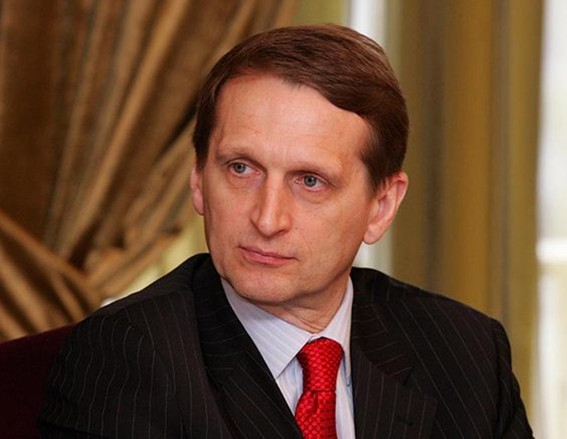
Sergey Yevgenyevich Naryshkin
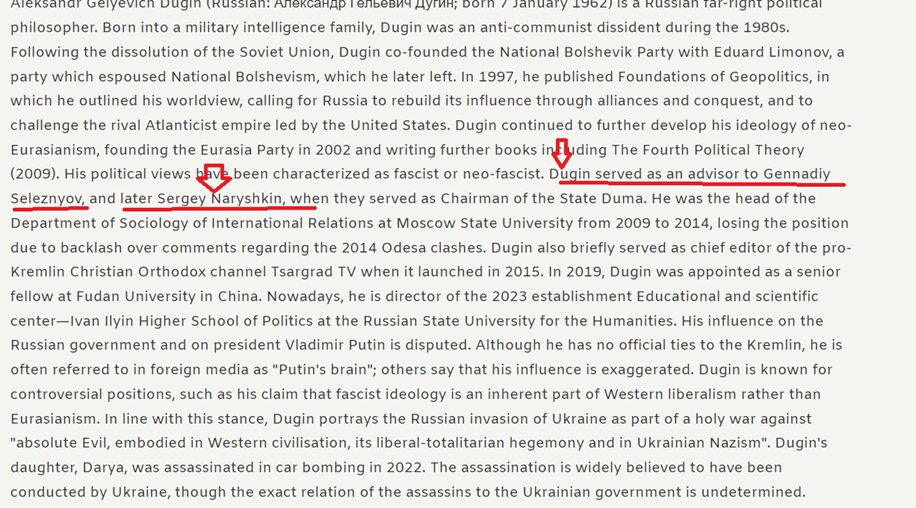
Sergey Naryshkin, Director of Russia’s Foreign Intelligence Service (SVR), has longstanding institutional and intellectual connections within the broader ideological ecosystem surrounding Vladimir Putin’s political system. His name appears in a number of biographical accounts of Aleksandr Dugin, one of the most prominent ideological figures associated with Russian Eurasianist thought, reflecting overlapping networks between Russia’s political leadership, intelligence structures, and strategic theorists.
As a senior figure within the Russian security establishment and a trusted Putin loyalist, Naryshkin is widely viewed as playing a stabilizing role among the various political, security, and ideological factions that constitute the contemporary Russian governing system. His position at the head of the SVR places him at the center of Russia’s external intelligence operations and strategic influence activities abroad.
In this capacity, Naryshkin has been associated with efforts to maintain coherence between Russia’s intelligence priorities, geopolitical messaging, and the broader ideological narratives that underpin the Kremlin’s foreign policy outlook.
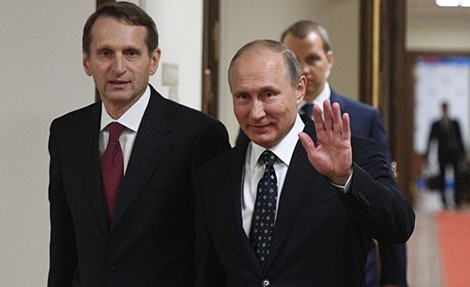
Sergey Yevgenyevich Naryshkin, Putin’s trusted ally and director of the Russian Intelligence Services.
Portugal has increasingly been viewed as a permissive operating environment for networks aligned with states often grouped under the label of the “Axis of Resistance,” serving as a logistical and political access point for activities directed toward broader European, transatlantic, and Anglo-American environments, particularly the United Kingdom and the United States. Historical grievances play a role in shaping the strategic narratives of some of these actors, with the United Kingdom often framed through the legacy of imperial involvement in the Middle East, while the United States is more frequently characterized in contemporary geopolitical rhetoric as a primary military and political adversary.
Portugal’s position as a member of the European Union and NATO, combined with the international prominence of Portuguese political figures, has increased its relevance within these geopolitical calculations. António Costa’s later elevation to the presidency of the European Council further reinforced the perception that Portuguese political networks occupy positions of growing influence within European institutional structures. Costa’s historical political proximity to left-wing formations, including cooperation agreements with the Portuguese Communist Party during his tenure as Prime Minister, has also been noted as part of the broader political context in which these dynamics are discussed.
Criticism of Costa’s government from political opponents has included allegations that the administration adopted a comparatively accommodating posture toward China while maintaining a more critical rhetorical position toward U.S. policies during periods of heightened transatlantic tension. These criticisms have pointed to episodes of political and media polarization in which pro-Atlanticist voices accused the government and its aligned networks of marginalizing critics of the Chinese Communist Party and framing U.S. policy—particularly during the Trump administration—as destabilizing or excessively unilateral, while presenting China as a constructive actor in multilateral governance debates.
These competing narratives reflect the broader political contestation within Portugal over foreign policy orientation, strategic alignment, and the balance between traditional Atlantic partnerships and expanding economic and diplomatic engagement with emerging global powers.
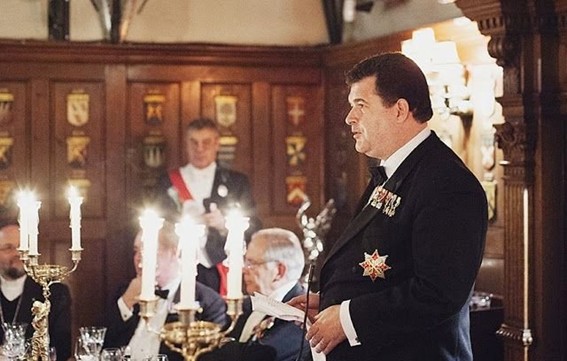
However, according to Portuguese political and security circles, a prominent Portuguese corporate group described by Professor Luís Nandin de Carvalho as a “majestic company,” and reportedly maintaining historical links to Portuguese intelligence environments, has played a complex role in domestic political financing. The group was previously associated with support networks linked to former Prime Minister José Sócrates and has since diversified its political relationships across multiple parties and political currents.
Information circulating in political and media discussions has also pointed to the company’s international partnerships, including business connections involving individuals or entities with links to Chinese and Russian commercial or political environments. Within this context, attention has been drawn to a reported financial contribution connected to the 2020 U.S. presidential campaign of Donald Trump, allegedly made through an address located in Miami-Dade County, Florida.
The individual associated with this donation, together with his brother, has also been described as maintaining political relationships within Portugal, including proximity to networks associated with António Costa as well as contacts within the Portuguese political party Chega. These connections reportedly include relationships with António Tânger Corrêa, a former officer of Portuguese military intelligence (DINFO), who has been publicly associated with conservative international political networks, including figures aligned with Hungarian Prime Minister Viktor Orbán.
Taken together, these overlapping business, political, and transnational relationships illustrate the complexity of contemporary political networking, where individuals and organizations may maintain connections across multiple ideological and geopolitical environments simultaneously.

This Portuguese national, who has presented himself as a representative of the MAGA movement in Portugal while simultaneously maintaining relationships across Portugal’s Socialist Party circles and traditionalist right-wing environments, including the Monarchist League, has developed contacts within political networks connected to President Donald Trump.
Among his reported points of contact within Trump-aligned circles is former U.S. House Intelligence Committee Chairman Devin Nunes, an American politician of Portuguese Azorean descent who currently serves as Chief Executive Officer of Trump Media & Technology Group, the parent company of the Truth Social platform.
According to accounts of these interactions, meetings took place in Washington, D.C., including a reported encounter with North Macedonian Prime Minister Hristijan Mickoski shortly before President Trump’s inauguration on 20 January 2025. These contacts reportedly occurred at the Waldorf Astoria Washington D.C., the property formerly known as the Trump International Hotel.
The same network was also reportedly present at a private event held the previous evening at Mar-a-Lago in West Palm Beach, Florida, one of the main venues traditionally used for political and social gatherings connected to Trump’s political circle.
The multipolarist project: alignment efforts involving Russia, Iran, Saudi conservative networks, European political figures such as Viktor Orbán and António Costa, and their interlocutors in the United States
The concept of a multipolar international order has increasingly served as a common reference point for political actors seeking to challenge what they perceive as the dominance of the transatlantic liberal order. Within this framework, Russia and Iran have actively promoted narratives centered on sovereignty, civilizational identity, and resistance to Western political influence, while cultivating relationships with political actors in Europe and the United States receptive to themes of strategic autonomy and national conservatism.
Hungarian Prime Minister Viktor Orbán has positioned himself as one of the most visible European proponents of this strategic discourse, advocating pragmatic engagement with Russia and China while simultaneously building ties with conservative political movements in the United States. His political positioning reflects a broader trend among certain European leaders who emphasize national sovereignty, opposition to supranational governance constraints, and a rebalancing of relations between East and West.
António Costa’s political trajectory represents a different but complementary dynamic within this broader landscape. While operating firmly within the European Union’s institutional framework, his political networks have intersected with currents advocating diversified global engagement, including diplomatic and economic outreach beyond traditional Euro-Atlantic partners. His elevation to the presidency of the European Council further places him at the center of managing these competing geopolitical orientations inside the EU.
Parallel to these political developments, networks connected to Gulf conservative circles, sometimes described as part of a Saudi “old guard,” have maintained relationships with religious, cultural, and financial actors across Europe and North America. These relationships often intersect with Russian and Iranian outreach efforts through platforms focused on interfaith dialogue, cultural diplomacy, and traditionalist political thought, creating overlapping channels of influence rather than formal alliances.
In the United States, these interactions have occasionally intersected with political and ideological circles associated with debates over globalization, national sovereignty, and the restructuring of international institutions. The result is not a formal coalition but rather a loose ecosystem of actors connected by shared interests in reshaping elements of the existing international order, often operating through informal networks, personal relationships, and issue-specific cooperation rather than structured agreements.
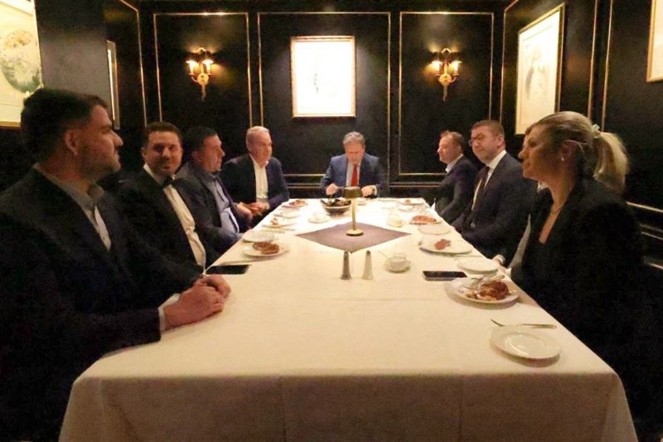
Devin Nunes pictured with Canadian, Portuguese, and North Macedonian counterparts during a private meeting. At the center of the table is Portuguese national Marco Galinha, who, according to Portuguese sources, was introduced to Nunes through contacts linked to a former senior administrator of the Luso-American Development Foundation (FLAD – Fundação Luso-Americana para o Desenvolvimento), an institution dedicated to strengthening U.S.–Portugal relations.

This was not the first interaction between Devin Nunes and senior North Macedonian officials. In the summer preceding these meetings, Nunes traveled to Skopje, where he held discussions with government representatives. According to reports surrounding the visit, the talks focused on potential investment opportunities related to North Macedonia’s digital infrastructure and technology sector, including discussions reportedly linked to the country’s digital transition strategy and the possible relocation of certain Truth Social technical operations.
Nunes was accompanied on that visit by Chris Pavlovski, Chief Executive Officer of the video platform Rumble, whose company has positioned itself as part of an emerging ecosystem of alternative digital media platforms. The presence of both executives underscored the commercial and technological dimension of the discussions, particularly in relation to data hosting, digital platforms, and regional technology investment opportunities.
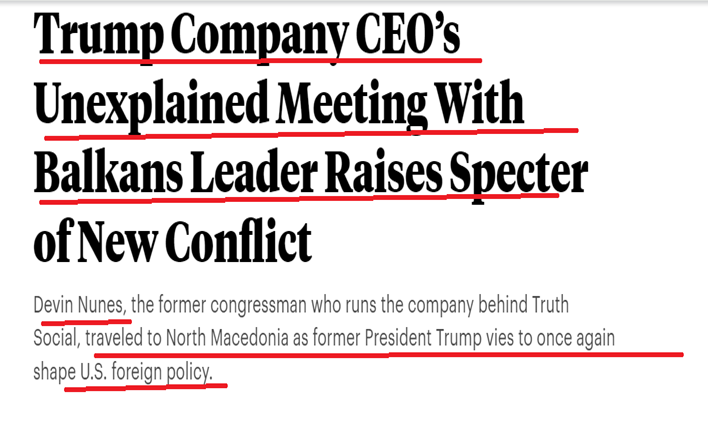
Another participant in Devin Nunes’s trip to North Macedonia was Howard Lutnick, former Chief Executive Officer of Cantor Fitzgerald and later appointed by Donald Trump as U.S. Secretary of Commerce. Lutnick has been publicly associated with economic positions favoring the use of tariffs as instruments of industrial and trade policy, as well as with strong support for the development of digital assets and cryptocurrency markets as part of broader financial innovation strategies.
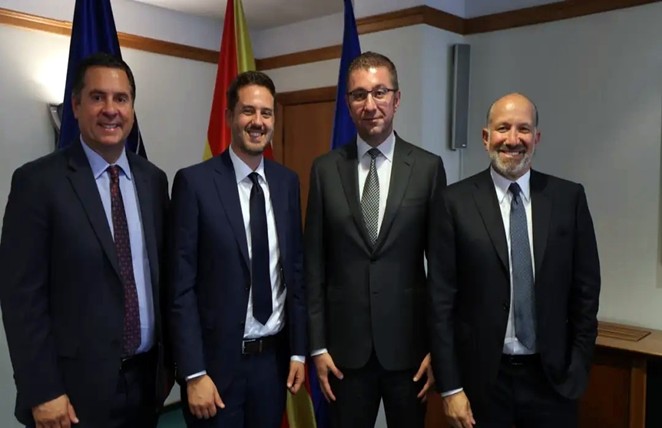
Devin Nunes, Pavlovski, North Macedonia’s PM and Lutnick in North Macedonia.
North Macedonian Prime Minister Hristijan Mickoski also held a meeting with Richard Grenell, the former U.S. Ambassador to Germany and a senior figure within Donald Trump’s foreign policy circle. According to accounts of the encounter, the meeting took place at the Waldorf Astoria Washington D.C., the property formerly known as the Trump International Hotel, which has remained a frequent venue for political and diplomatic gatherings.
Separately, Iran Press, a media outlet affiliated with the Iranian state and subject to sanctions by the United States, the United Kingdom, and Canada, has sought to expand its digital distribution channels in Western information spaces. Among the platforms reportedly explored for this purpose is Rumble, a video-sharing service that has positioned itself as an alternative media platform with fewer content restrictions compared to mainstream social media networks.
These efforts reflect broader attempts by sanctioned state media organizations to access Western digital audiences through emerging or alternative platforms, particularly in environments where regulatory barriers may be less restrictive. Such strategies are generally understood as part of information influence efforts aimed at shaping narratives, expanding audience reach, and promoting state-aligned perspectives in international media ecosystems.
Official Press TV’s website: promoting its RUMBLE channel.
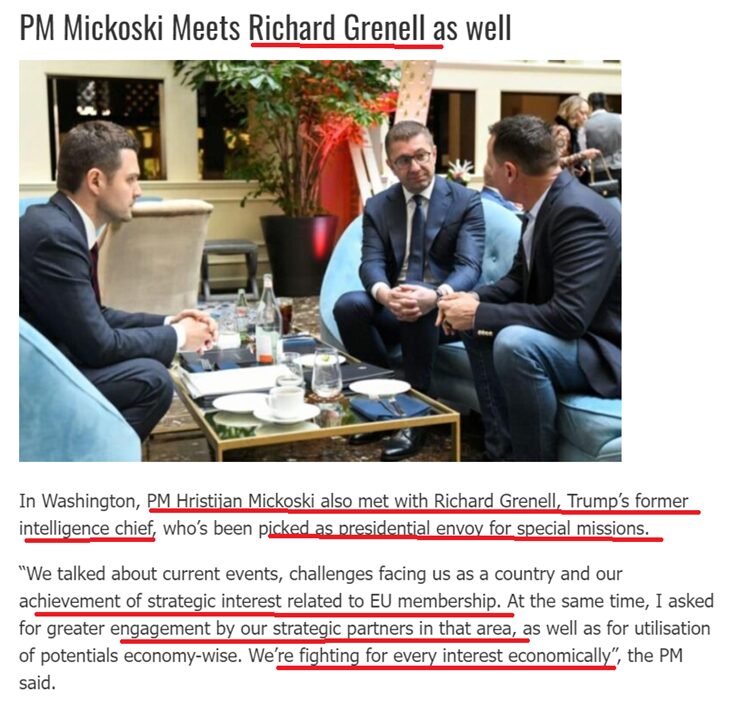
North Macedonian Prime Minister Hristijan Mickoski has also maintained close political ties with Hungarian Prime Minister Viktor Orbán. Hungary has played an active role in supporting media outlets and communication platforms in North Macedonia aligned with Mickoski’s political environment, reinforcing political messaging and visibility for VMRO-DPMNE following its return to power.
Financial cooperation has also been a notable component of this relationship. As noted by Dimitar Keranov of the German Marshall Fund of the United States, “The government in Budapest last year gave its counterpart in Skopje a $500 million loan, which came out a €1 billion loan just secured from China. This is the largest instance of Hungarian financial support to another country since the fall of communism. This loan to North Macedonia was issued soon after VMRO-DPMNE regained power in May 2024.” This financial arrangement illustrates the intersection of Hungarian regional policy with broader Chinese economic engagement in Central and Eastern Europe.
These developments have been interpreted by some geopolitical observers as consistent with Hungary’s broader strategy of positioning itself as a bridge between European institutions and emerging Eurasian economic and political frameworks. Orbán has consistently advocated closer economic ties with China and pragmatic engagement with Russia, while simultaneously maintaining Hungary’s formal commitments within NATO and the European Union.
Hungary’s dual positioning—firmly embedded within Western institutional structures while pursuing diversified external partnerships—has created opportunities for Budapest to act as an intermediary actor in complex geopolitical relationships. This posture has drawn comparisons with Turkey under President Recep Tayyip Erdoğan, particularly in terms of balancing Western alliance membership with strategic autonomy and engagement with non-Western powers.
Within the European Union, both Viktor Orbán and António Costa have, from different political traditions, supported discussions around a more multipolar global order, emphasizing engagement with emerging economies and the Global South. These positions have often included advocacy for stronger economic and diplomatic engagement with BRICS countries, both individually and as a collective geopolitical and economic grouping, reflecting a broader debate within Europe about the evolution of the post-Cold War international order and the relative role of the United States within it.
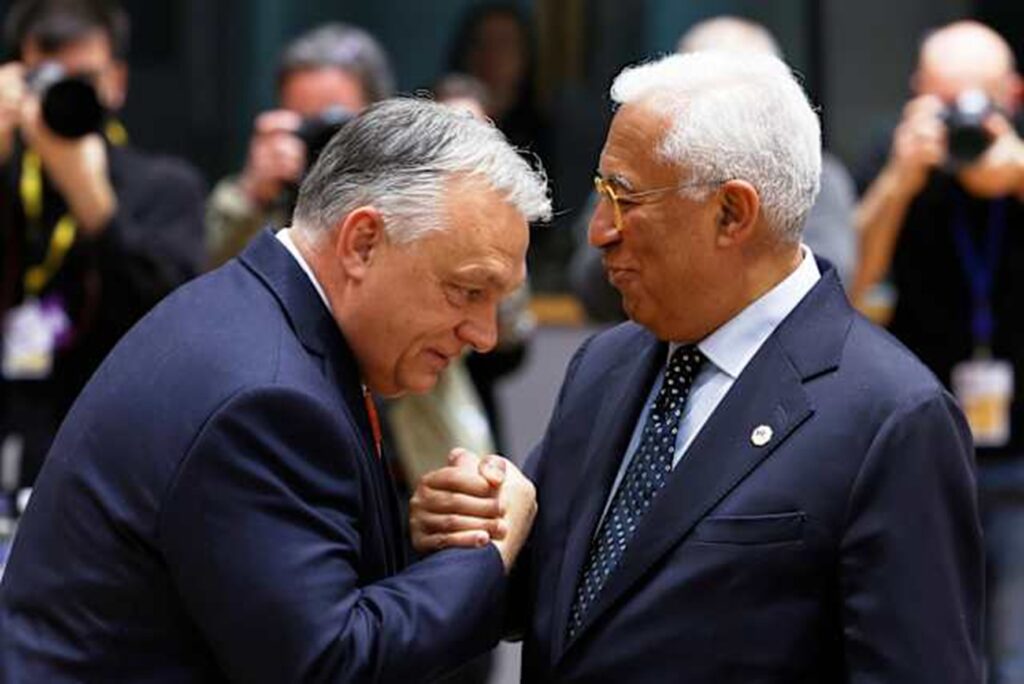
Viktor Orbán and António Costa: political actors within the European Union associated with debates on multipolarity, strategic autonomy, and Europe’s positioning between the United States and emerging Eurasian powers (Photo: Associated Press).
Hungarian Prime Minister Viktor Orbán has consistently promoted a foreign policy approach centered on engagement with China and pragmatic relations with Russia, while advocating for a rebalancing of Europe’s geopolitical posture away from exclusive dependence on the United States. António Costa, now serving as President of the European Council after his tenure as Portugal’s Prime Minister, has operated within EU institutional structures while maintaining political networks historically open to diversified global partnerships, including with non-Western powers.
Both figures represent different political traditions but intersect in broader European debates about the emergence of a multipolar international order, the role of the Global South, and the long-term evolution of the post-World War II transatlantic system.
António Costa and Viktor Orbán: convergence around strategic autonomy, European periphery influence, and multipolar positioning within the European Union
António Costa and Viktor Orbán, despite representing different ideological traditions within European politics, have both emphasized the importance of strengthening the influence of Southern and Central European states within the European Union’s decision-making structure. Their respective political strategies have highlighted the role of countries such as Portugal and Hungary as potential hubs of economic, diplomatic, and geopolitical connectivity in what they describe as an emerging multipolar international environment.
This approach places emphasis on diversification of partnerships, the strengthening of Europe’s engagement with the Global South, and the development of strategic flexibility in relations with major global powers. Within this framework, the concept of “strategic autonomy” or “smart neutrality” has gained traction in certain European policy debates, referring to the idea that Europe should preserve room for maneuver between competing global actors, including the United States and China, while maintaining its own institutional cohesion and economic interests.
Such positioning has also been reflected in discussions concerning major geopolitical conflicts, including the war in Ukraine and tensions in the Middle East. From this perspective, the priority is often framed as safeguarding European strategic interests and stability, ensuring that critical regions do not fall fully under the influence of rival powers while avoiding direct escalation or binary geopolitical alignment.
These debates reflect the growing influence in Brussels of political currents sometimes described as geopolitical realists, who emphasize interest-based diplomacy over ideological alignment. Within this evolving landscape, figures such as Costa and Orbán have demonstrated the ability to operate within EU institutional structures while simultaneously advocating for greater flexibility in Europe’s external partnerships.
An illustration of this dynamic appeared in coverage by The Hungarian Conservative, a publication aligned with political circles close to Viktor Orbán, which published the following assessment of António Costa, describing him as a “Frequent Visitor to Budapest”:
“Costa highlighted that Viktor Orbán has been a highly constructive politician in recent years, shaping his positions based on Hungary’s national interests. He noted that disagreements among leaders were less political and more rooted in differing national priorities.
‘Viktor Orbán is the longest-serving member of the European Council. Normally, we do not share the same positions on major issues. But even when he is isolated, I have always observed him adopting a constructive stance,’ Costa remarked.
The incoming President of the European Council recalled the EU summit last December, where Viktor Orbán temporarily left the room to allow member states to reach a unanimous decision on opening negotiations for Ukraine’s EU accession. ‘Sometimes, we need a little creativity,’ Costa added.
‘Viktor Orbán has been a highly constructive politician in recent years, shaping his positions based on Hungary’s national interests’
During the interview, it was mentioned that Viktor Orbán, together with Italian Prime Minister Giorgia Meloni, could ‘change the European Union,’ referencing the Eurosceptic views of both leaders. However, Costa remarked: ‘In the eight years I attended summits as Prime Minister of Portugal, there were many moments of significant divergence among the leaders. However, the most dramatic disputes were not with Orbán or Meloni, but between other members of the Council.’”
At the same time, Costa’s critics have pointed to what they describe as a dual political posture. Domestically, his government was accused by opponents of adopting a firm rhetorical stance against narratives perceived as excessively aligned with U.S. foreign policy while promoting engagement with China in economic and diplomatic contexts. Internationally, however, Costa has also emphasized respect for national sovereignty and the legitimacy of leaders such as Orbán in defending their countries’ interests within EU negotiations.
The perceived convergence between Costa and Orbán is often framed by critics as rooted in a shared interest in strengthening Europe’s independence within a changing global balance of power, including deeper engagement with emerging economies and alternative geopolitical centers. These interpretations frequently highlight their respective openness to engagement with China, pragmatic approaches toward Russia, and interest in redefining Europe’s position within a more plural international system.
Within this debate, Costa’s detractors have also pointed to statements and policy positions they interpret as reflecting a view of Russia as maintaining certain social state characteristics in contrast to what they characterize as the more market-driven model associated with the United States. These interpretations remain part of broader political contestation surrounding Europe’s future strategic orientation and the evolving balance between Atlanticism and multipolar engagement.
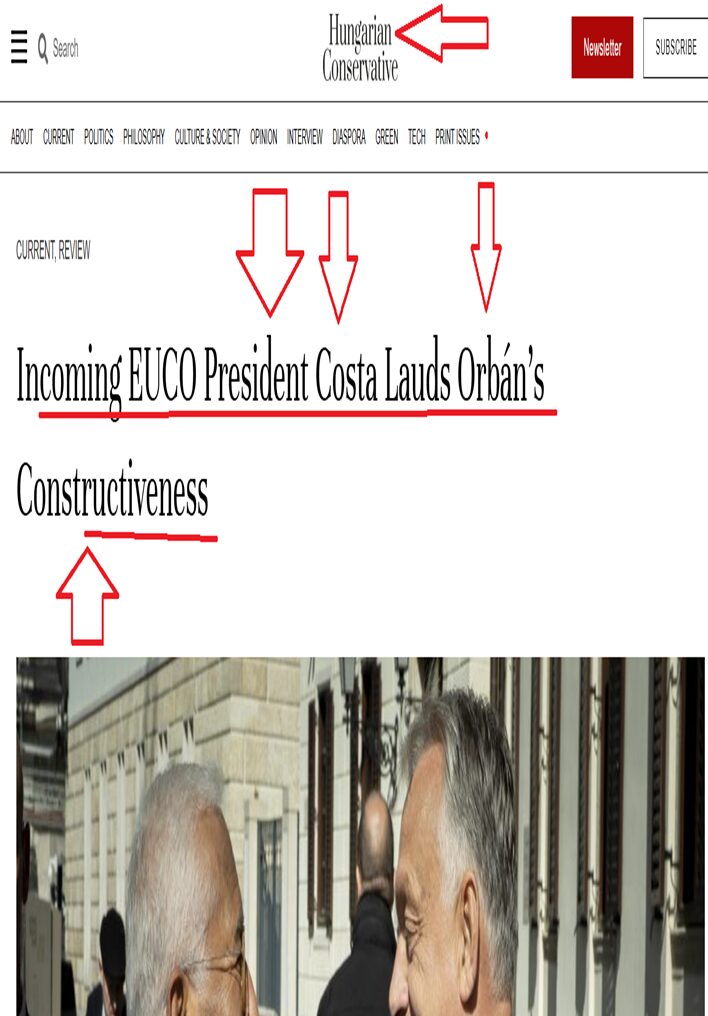
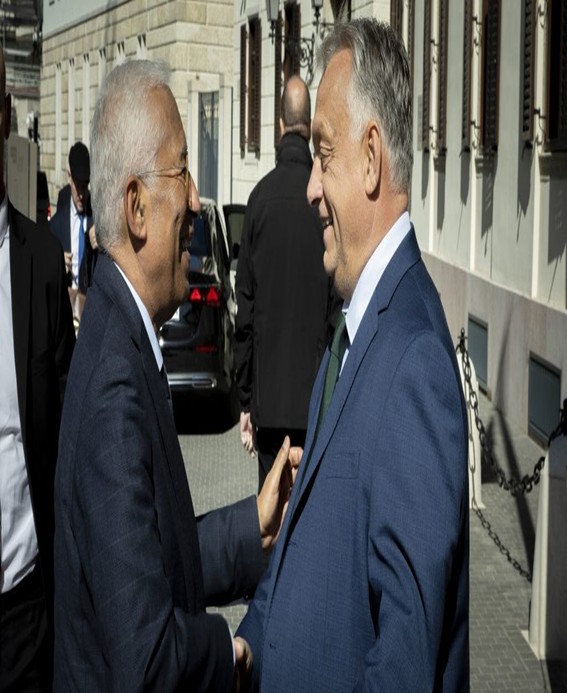
António Costa, President of the European Council and former Portuguese Prime Minister, meeting with Hungarian Prime Minister Viktor Orbán (Photo: The Hungarian Conservative).
Costa and Orbán represent influential political actors within the European Union’s institutional framework who, despite ideological differences, have both been associated with debates surrounding Europe’s strategic autonomy, the emergence of a multipolar international order, and the rebalancing of Europe’s global partnerships. Their interactions reflect the growing importance of political networks seeking to expand the influence of Southern and Central European member states within EU decision-making structures.
Both leaders have also maintained contacts with political and policy circles in the United States, reflecting the transatlantic dimension of contemporary European political networking. These relationships illustrate how European political actors increasingly operate within complex international ecosystems that combine institutional diplomacy, ideological dialogue, and informal political engagement across multiple jurisdictions.
Viktor Orbán’s geopolitical doctrine and debates surrounding European political influence in transatlantic affairs (Mathias Corvinus Collegium)
Political commentary has frequently highlighted the unusual convergence between António Costa and Viktor Orbán, two leaders emerging from very different ideological traditions—a socialist politician with a history of parliamentary cooperation with the Portuguese Communist Party and a national-conservative leader associated with Hungary’s traditionalist political current. Their interactions have often been interpreted as reflecting pragmatic alignment around questions of European strategic autonomy and the evolution of the international order beyond exclusive U.S. leadership.
Hungarian foreign policy thinking in this area has been articulated by Balázs Orbán, a close adviser to Viktor Orbán and former political director in the Hungarian Prime Minister’s office, particularly in his book Hussar Cut: The Hungarian Strategy for Connectivity. In this work, Hungary’s geopolitical positioning is presented as centered on the concept of connectivity—developing diversified economic, political, and diplomatic relationships across multiple global centers of power.
According to this doctrine, Hungary should avoid being drawn into direct confrontation between major powers and instead seek to maximize its geopolitical relevance by maintaining multiple channels of engagement. This approach emphasizes maintaining NATO and EU membership while simultaneously expanding ties with non-Western actors, thereby increasing Hungary’s flexibility and strategic leverage in a changing global environment.
The strategy outlined by Balázs Orbán reflects a broader current within parts of European strategic thinking that advocates diversification of partnerships, increased engagement with emerging economies, and the strengthening of Europe’s independent geopolitical role within an increasingly multipolar system.
Balázs Orbán’s book Hussar Cut: The Hungarian Strategy for Connectivity was published by the Mathias Corvinus Collegium (MCC) publishing house, an institution widely regarded as operating within the intellectual and educational network closely associated with Hungarian Prime Minister Viktor Orbán. MCC has become a key platform for the development and dissemination of the Hungarian government’s strategic, political, and cultural doctrine, particularly in areas related to sovereignty, connectivity, and Hungary’s role in an evolving multipolar international order.
The book also features endorsements and favorable commentary from a number of political and policy figures associated with conservative and geopolitical realist circles, including media personality Tucker Carlson, former Austrian Chancellor Sebastian Kurz—who has since entered the private sector and maintains business ties with technology investor Peter Thiel—Kevin Roberts, President of the Heritage Foundation, and Columbia University economist Jeffrey Sachs.
Sachs, who has also served as a Special Adviser on the Sustainable Development Goals to UN Secretary-General António Guterres, has in recent years taken policy positions that have generated debate in Western policy circles, particularly regarding his views on China, Russia, and the evolution of the global economic order.
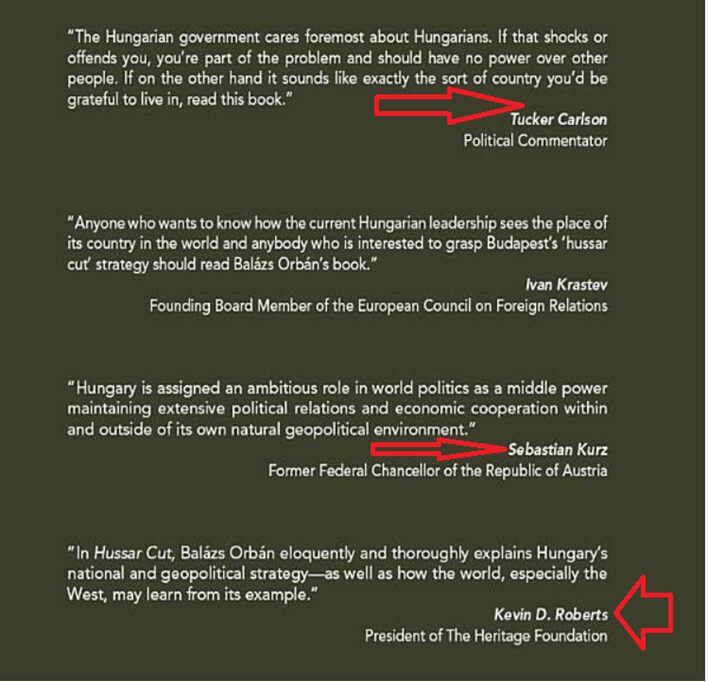
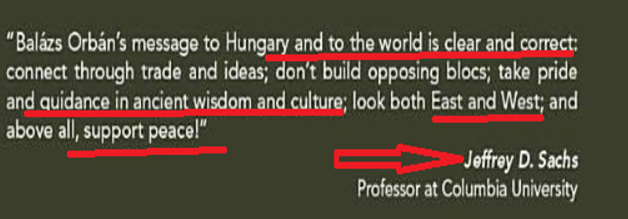
The range of international figures publicly endorsing Balázs Orbán’s Hussar Cut: The Hungarian Strategy for Connectivity has been interpreted by critics as evidence of the growing reach of Hungary’s intellectual and political networks within segments of the United States conservative policy ecosystem. Viktor Orbán’s government has invested sustained effort in cultivating relationships with influential actors within Republican-aligned policy, media, and think-tank environments, positioning Hungary as a reference point in debates over sovereignty, globalization, and national conservatism.
Hungary’s ability, as a relatively small European state, to establish this level of political and intellectual engagement in U.S. policy circles has raised questions about the broader geopolitical environment in which Budapest operates, including the extent to which Hungary’s outreach intersects with Russian geopolitical narratives or strategic messaging. Orbán’s government has maintained a comparatively pragmatic posture toward Moscow relative to most EU governments, particularly in areas such as energy policy and sanctions, contributing to ongoing debate regarding Hungary’s strategic positioning.
Orbán’s concept of “connectivity” extends beyond trade diversification into the deliberate cultivation of political and ideological relationships. Hungary has sought to position itself as an intermediary capable of maintaining dialogue across political divides, including engagement with American political actors advocating a reassessment of U.S. foreign policy priorities toward Ukraine, China, and the structure of the international system.
Kevin Roberts, president of the Heritage Foundation and one of the figures involved in shaping the policy framework commonly referred to as “Project 2025,” has referenced Hungary’s governance and strategic positioning as a model of national policy experimentation. These references illustrate the degree to which Hungary’s domestic and foreign policy approaches have become points of discussion within parts of the current U.S. governing coalition, particularly in debates concerning trade, industrial policy, and relations with China.
Within this environment, Hungary’s outreach aligns with a broader tendency inside the current U.S. administration to frame foreign policy in transactional and negotiation-driven terms, consistent with President Donald Trump’s emphasis on deal-making as a governing principle. This approach prioritizes rapid negotiation of trade and security arrangements, increasing pressure on decision-making processes to deliver visible geopolitical and economic outcomes within compressed political timelines.
From Budapest’s perspective, the doctrine of connectivity is presented as a rational strategy for a mid-sized state navigating competition between major powers. Critics argue that the same approach, when mirrored by a global power such as the United States, risks weakening long-standing alliance structures and introducing strategic ambiguity in areas of core national interest.
Hungary’s political outreach in the United States has also extended across ideological lines, reflecting a strategy often associated with Russian geopolitical thinking, particularly the idea of identifying convergence points between actors on both the political right and left around skepticism toward liberal internationalism and U.S. global leadership.
Figures such as Tucker Carlson, associated with populist conservative media, and Jeffrey Sachs, identified with heterodox economic and foreign policy positions often associated with the political left, illustrate how distinct ideological traditions can converge around a shared critique of U.S. interventionism and support for a more multipolar distribution of global power. Their respective positions frequently draw on what critics describe as a faux-realist interpretation of international relations, presenting multipolarity as inherently stabilizing while downplaying the risks associated with authoritarian revisionist powers.
From this perspective, a multipolar world is framed as less prone to unilateral military action because competing centers of power create mutual deterrence. Critics of this approach argue that such a transformation weakens the institutional architecture of the post-World War II international order and reduces the capacity of existing alliances to respond collectively to security crises.
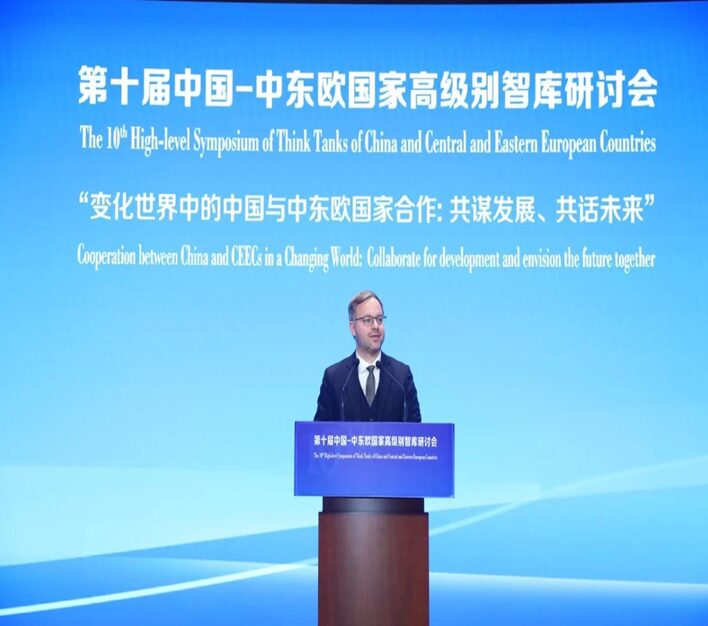
Balázs Orbán speaking in Beijing at the Symposium of Think Tanks of China and Central and Eastern European Countries, where he advocated closer strategic and economic cooperation between Europe and China as part of a broader effort to reduce Europe’s structural dependence on the United States. During the visit, he also presented the Chinese-language edition of his book Hussar Cut: The Hungarian Strategy for Connectivity (Photo: Euroasia Magazine).
The Chinese-language edition of Balázs Orbán’s Hussar Cut: The Hungarian Strategy for Connectivity was formally presented in Beijing in November 2024 during an event organized with the participation of the Chinese Academy of Social Sciences and institutions involved in China’s engagement framework with Central and Eastern Europe. Such platforms typically serve as interfaces between academic exchange, policy dialogue, and broader state-to-state cooperation initiatives.
China, similar to other major powers pursuing influence abroad, has relied on intellectual forums, research cooperation, and cultural diplomacy as instruments to expand its international presence and shape policy discussions within Europe and the transatlantic space. These mechanisms often operate through think-tank partnerships, academic exchanges, and cultural initiatives designed to build long-term networks of dialogue and institutional familiarity.
The Beijing event and the publication of the Chinese edition of the book received prominent coverage in Hungarian media outlets aligned with Viktor Orbán’s political environment, particularly The Hungarian Conservative, reflecting the importance attributed by Hungarian political circles to strengthening intellectual and strategic ties with China as part of their broader connectivity doctrine.
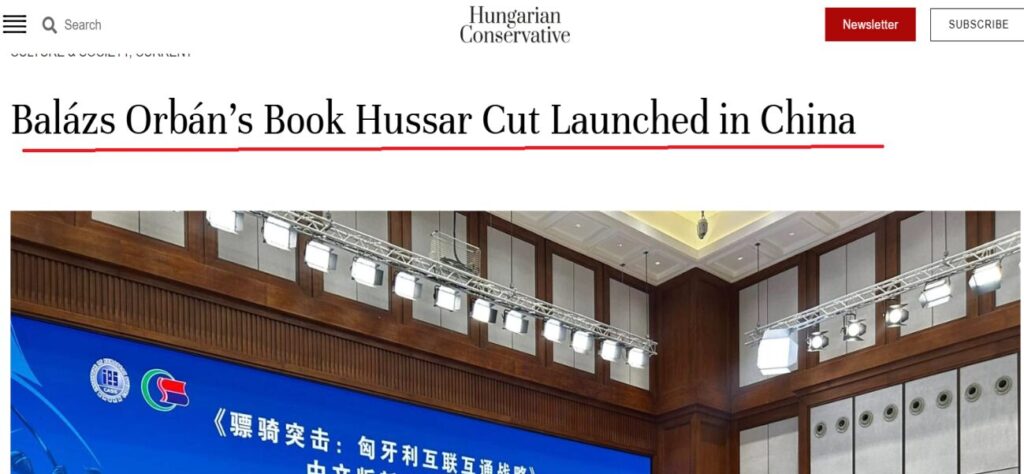
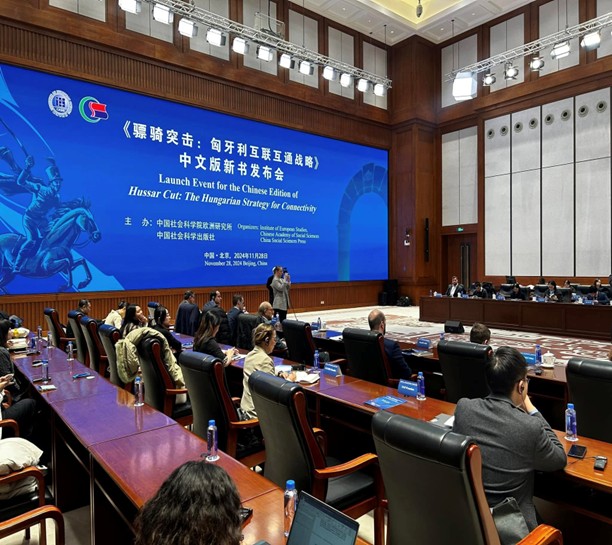
In a post published on X, Viktor Orbán highlighted his presence in Beijing, emphasizing Hungary’s policy of strategic engagement with China and reiterating his government’s opposition to what he described as the formation of rigid geopolitical “blocs.” His remarks framed Hungary’s foreign policy as centered on pragmatic cooperation, economic connectivity, and the preservation of strategic flexibility in an increasingly polarized international environment.
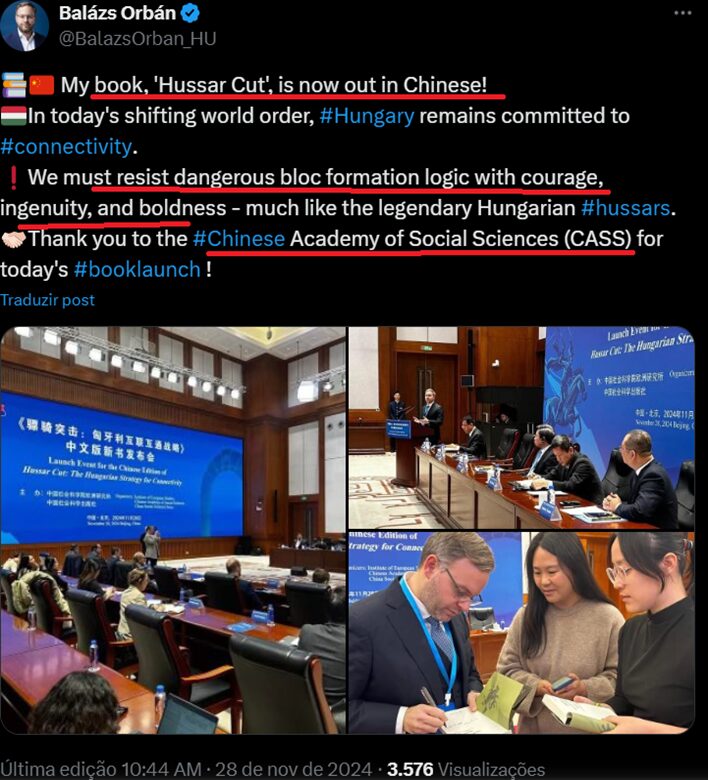
The doctrine of “connectivity” promoted by Viktor Orbán and, in a different political context, by António Costa, reflects a broader geopolitical school of thought rather than an entirely new strategic concept. The idea of building diversified international linkages as a way to navigate a changing global balance of power has been explored for years in Russian strategic and academic circles, including by figures close to the Kremlin such as Vladimir Yakunin, a former Russian Railways executive and former KGB officer.
Yakunin has written extensively on the transformation of the international system toward what he describes as a more networked and multipolar global structure. Among his most frequently cited academic contributions is the article “Political Tectonics of the World Today,” published in Polis. Political Studies (2013, No. 4), which outlines a vision of global politics shaped by interconnected centers of influence rather than a single dominant power.
The strategic logic underlying Orbán’s Hussar Cut reflects themes broadly consistent with this intellectual current, particularly the emphasis on diversified geopolitical partnerships, strategic flexibility, and the cultivation of multiple political and economic linkages as a means of increasing national leverage. In this interpretation, connectivity functions both as a tool for navigating an emerging multipolar order and as a mechanism for accelerating the transition toward such a system.
Within this framework, connectivity is presented not only as a foreign policy instrument but also as a structural feature of a world order increasingly defined by competing regional power centers. This approach aligns with broader Russian geopolitical thinking that seeks to promote a rebalancing of global influence away from U.S.-led institutions toward a more diffuse system of competing alliances, regional blocs, and strategic partnerships.
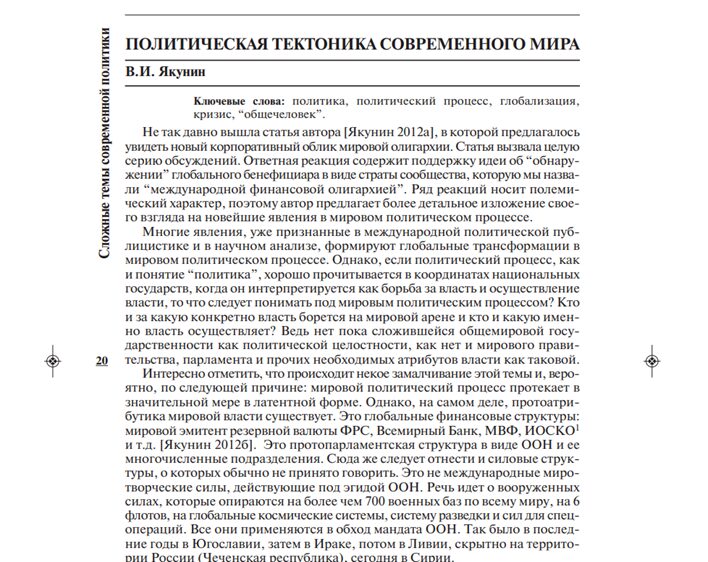
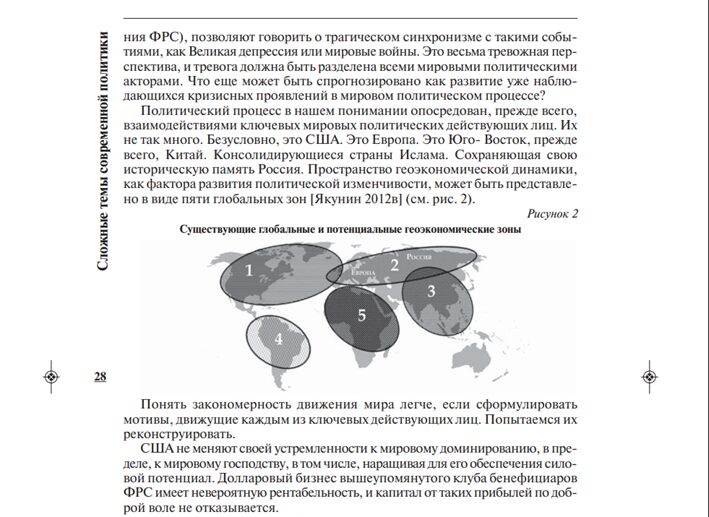
Viktor Orbán’s political influence extends beyond Europe and China into transatlantic political and intellectual networks, particularly among conservative and national-populist circles in the United States. Senior figures connected to the Hungarian government have developed relationships with U.S. policy organizations, think tanks, and political actors, contributing to the international visibility of the Hungarian governance model among segments of the American right.
Following the political turbulence surrounding the January 6 events and his departure from office in 2021, President Donald Trump’s political movement became more receptive to foreign conservative models presented as successful examples of national sovereignty, immigration control, and resistance to liberal institutional norms. Within this context, Hungary was frequently portrayed by its advocates as a model “conservative, anti-establishment state,” with Viktor Orbán presented as a leader capable of maintaining national autonomy while engaging pragmatically with major global powers, including Russia.
Orbán’s political narrative also benefited from Trump’s longstanding interest in Eastern Europe and his preference for leaders portrayed as politically resilient and electorally dominant. Hungary was presented in these circles as an example of how a relatively small country could maintain geopolitical relevance through diversified diplomacy and direct engagement with major powers, including Vladimir Putin.
Trump’s own political trajectory contributed to the receptivity of such narratives. His 2016 electoral victory was achieved without the traditional party campaign infrastructure typically associated with presidential races, and his continued influence over the Republican Party after 2021 rested largely on personal political capital, grassroots loyalty, and media visibility rather than a fully consolidated institutional structure. This environment created space for competing ideological and organizational actors to seek influence within the evolving MAGA political ecosystem.
Hungary’s governance model subsequently became a point of reference for some factions within the emerging national-populist wing of the Republican Party. A number of individuals within Trump-aligned policy circles have engaged with Hungarian government-linked think tanks, academic programs, and policy institutes. Among U.S. institutions often cited in this context are Hillsdale College and the Claremont Institute, both influential in conservative intellectual debates. Within the latter, initiatives such as the Center for the American Way of Life sought to provide a more structured ideological framework for the Trump political movement, in some cases advocating positions more ideologically rigid than Trump’s traditionally pragmatic and transactional political instincts.
Trump himself has often framed his political and business philosophy in pragmatic terms, emphasizing flexibility and negotiation over ideological rigidity. In The Art of the Comeback, he argued that excessive ideological rigidity can undermine success by narrowing opportunities and alienating potential partners—an approach that contrasts with more doctrinaire political actors seeking to shape his movement’s policy direction.
At the same time, a number of political operatives and ideological entrepreneurs within the MAGA political infrastructure have developed relationships with European political actors across both right-wing and heterodox political environments. Some of these actors have viewed Trump less as an ideological figure and more as a political vehicle capable of enabling structural changes within the federal government aligned with their own policy agendas.
Earlier intellectual currents within American conservatism anticipated such developments. In A Republic, Not an Empire, Pat Buchanan argued that long-term structural trends within the U.S. federal system would eventually create conditions favorable to a more nationalist and less interventionist political movement. Within this intellectual tradition, Trump’s rise was interpreted as the emergence of the type of charismatic political figure capable of translating these ideas into mass political mobilization.
The political polarization following January 6 and the subsequent legal and political battles surrounding Trump reinforced the cohesion of the more ideologically committed factions within the MAGA coalition. Within this environment, Hungary’s political model gained symbolic importance among some groups as an example of how nationalist political movements could consolidate institutional power. This dynamic has also been viewed by critics as indirectly strengthening the geopolitical narratives promoted by Russia and China within certain Western political debates.
Balázs Orbán’s Hussar Cut, which articulates the theory of geopolitical connectivity and diversified global partnerships, has also been promoted in U.S. policy circles, including events in New York and Washington, D.C., associated with organizations such as the Conservative Partnership Institute, which seeks to coordinate conservative policy networks and political organizations. These activities reflect ongoing efforts to introduce Hungarian strategic thinking into American conservative debates about sovereignty, global competition, and foreign policy realignment.
Critics argue that Hungary’s dual positioning—as both a member of NATO and the European Union while maintaining pragmatic relations with Russia and China—provides a degree of political cover for the promotion of alternative geopolitical perspectives within Western policy environments. From this perspective, the Hungarian model is presented not only as a domestic governance example but also as a bridge between Western political movements and broader multipolar geopolitical frameworks.
Portugal, with political networks spanning both far-left and far-right milieus and individuals positioned within strategic sectors of the state apparatus, has been described in some geopolitical analyses as a potentially relevant node within broader European influence dynamics involving actors linked to Viktor Orbán’s Hungary and Vladimir Putin’s Russia. In this interpretation, Portugal’s institutional access points, EU and NATO membership, and transatlantic ties increase its potential value as a platform for political networking and engagement with broader Western policy environments, including the United States.
Anthony John James Bailey: transnational network operator with activities spanning Portugal and international religious and philanthropic environments
Anthony John James Bailey, a figure active in transnational religious, cultural, and philanthropic circles, has drawn attention due to his complex international profile and institutional affiliations. Public records indicate that he renounced his United Kingdom citizenship and currently holds Irish nationality. He has also been associated with diplomatic or special-status travel documentation linked to the Kingdom of Tonga and has been connected to reported efforts to obtain citizenship or official status through Caribbean jurisdictions. Claims regarding additional documentation linked to Antigua and Barbuda have been subject to differing public accounts, including clarifications from the country’s authorities regarding the nature of any such status.
Bailey has been active in networks connecting political, religious, and aristocratic circles across Europe, including Portugal and Hungary. His activities have included involvement in initiatives aimed at fostering relationships among political actors, heritage organizations, and religious institutions. Within this context, he has been described as a facilitator of dialogue between networks operating in Portugal and Hungary, particularly in environments where cultural diplomacy and institutional relationships intersect with political engagement.
His network of contacts extends into organizations connected to European royal and aristocratic heritage structures, as well as religious and philanthropic institutions with international reach, including links to organizations operating in the United States. These types of networks often function through soft-power channels such as charitable initiatives, cultural patronage, and interfaith dialogue platforms, which provide access to influential social and institutional circles.
Bailey’s professional and philanthropic activities have also included work connected to members of the Al Faisal family, including involvement in cultural patronage initiatives such as the Painting and Patronage project, which focused on artistic heritage and cultural diplomacy. Such initiatives illustrate how cultural engagement can function as a vehicle for building transnational elite networks spanning Europe, the Middle East, and North America.
Within geopolitical discussions, some commentators have pointed to the growing importance of transatlantic corridors linking Southern Europe with Caribbean jurisdictions, particularly in areas involving financial, cultural, and diplomatic networks. In this context, Bailey’s activities have been cited as part of broader patterns of transnational networking that combine cultural, religious, and institutional engagement across multiple regions.
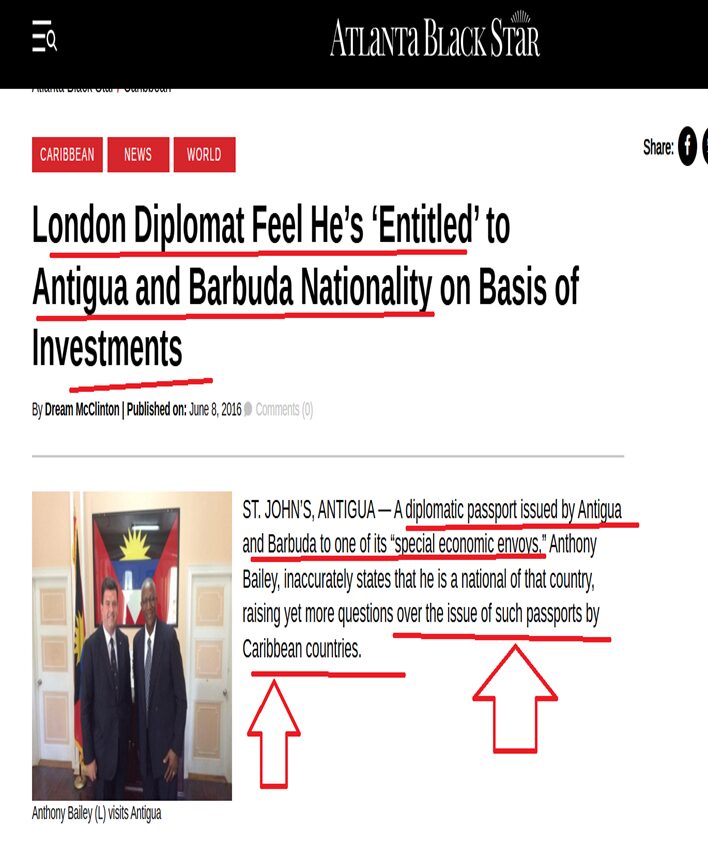
The U.S.-based publication Atlanta Black Star reported on Anthony John James Bailey’s efforts to obtain citizenship and travel documentation in several Caribbean jurisdictions, including claims that he was entitled to an Antigua and Barbuda passport on the basis of significant financial investments in the country. These reports highlighted the growing role of citizenship-by-investment programs and diplomatic-status documentation as instruments that can provide enhanced international mobility and institutional access.
Such mechanisms—particularly diplomatic passports and investor citizenship programs—have increasingly attracted scrutiny within security and policy discussions due to their potential misuse by politically exposed individuals or actors seeking expanded access to Western jurisdictions. These pathways, while legal in structure, have raised concerns about due diligence standards and the potential for exploitation by individuals seeking to expand political or financial reach across multiple regions.
Within this broader context, intelligence and policy assessments have noted that actors linked to countries such as Russia, Belarus, and Iran have shown particular interest in leveraging financial, diplomatic, and residency channels to expand their operational flexibility abroad. These approaches often rely on the intersection of financial investment, philanthropic engagement, and international mobility frameworks as part of broader geopolitical and influence strategies.
The increasing use of these tools has led to greater attention from Western regulatory and security institutions regarding the governance of investor citizenship programs and the issuance of diplomatic travel documentation, particularly where such mechanisms intersect with transnational political or economic networks.
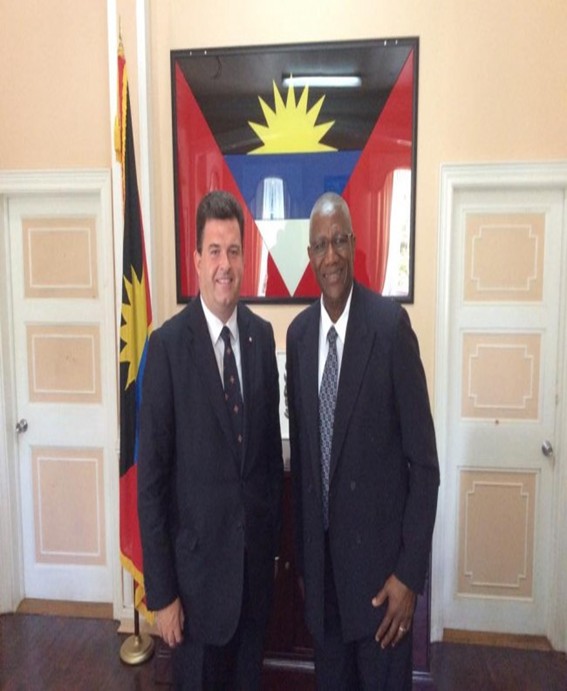
Anthony John James Bailey meeting with Rodney Williams, then Governor-General of Antigua and Barbuda, during an official engagement.
Anthony John James Bailey with Gaston Browne, Prime Minister of Antigua and Barbuda, during an official meeting.
Gaston Browne has maintained political and diplomatic engagement with Venezuela, including cooperation with the governments of Hugo Chávez and Nicolás Maduro, as part of Antigua and Barbuda’s broader foreign policy approach of maintaining relations with a diverse range of international partners.
The concept of an Iberian–Latin American connectivity corridor linking Portugal and Spain with Latin America has been consistent with broader geopolitical connectivity frameworks promoted by Vladimir Yakunin, the former Russian Railways executive and former KGB officer. Yakunin has written about large-scale continental integration projects, including the idea of a Eurasian land bridge extending “from Vladivostok to Lisbon,” aimed at strengthening economic, logistical, and political linkages between Europe and Asia while maintaining transatlantic commercial access.
Within this conceptual framework, the Caribbean region has been viewed as a strategically important intermediary space connecting European and American economic and political networks. Small island states, including Antigua and Barbuda, have historically played roles in Cold War and post-Cold War geopolitical competition due to their geographic position, financial sectors, and diplomatic flexibility within international organizations.
Russian engagement in the Caribbean has historically combined diplomatic outreach, economic cooperation, and cultural presence as part of broader efforts to maintain visibility and relationships in the Western Hemisphere. In this context, the region has periodically been viewed in strategic literature as an important node in wider connectivity projects linking Europe, Latin America, and global maritime trade routes.
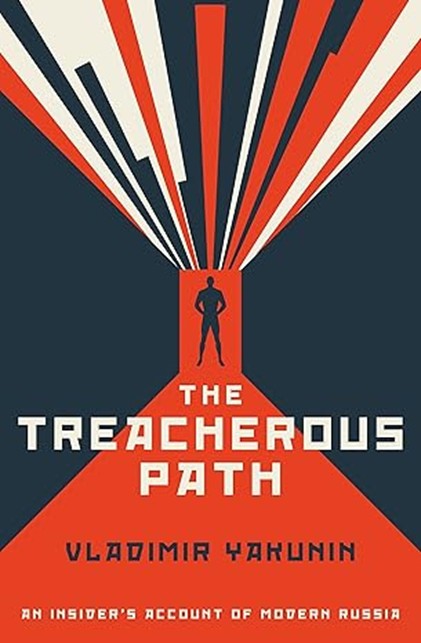
Vladimir Yakunin addressed the geopolitical relevance of the Caribbean region in his book The Treacherous Path, particularly in relation to the period surrounding the collapse of the Soviet Union. In his account, the Caribbean appears as part of the broader strategic environment in which Soviet and later Russian networks repositioned themselves following the end of the Cold War, especially regarding financial flows, diplomatic access points, and the restructuring of international influence networks.
Antigua and Barbuda is referenced in this context as one of the Caribbean jurisdictions Yakunin reportedly visited in 1991 while serving as a KGB officer under diplomatic cover at the Soviet mission to the United Nations in New York. These visits have been interpreted as part of the broader repositioning of Soviet-era networks during a period of systemic transition, particularly as political and financial relationships were recalibrated in anticipation of Russia’s post-Soviet trajectory.
Reviews of The Treacherous Path have sometimes characterized the book as a practical account of navigating Russia’s political and economic environment rather than a direct intelligence narrative. However, another interpretation is that the text reflects Yakunin’s intelligence background indirectly, illustrating through institutional observations and political analysis the strategic mindset typical of senior figures emerging from Soviet security structures. From this perspective, the work can be read less as a business manual and more as a reflection of the strategic culture that shaped Russia’s post-Soviet elite networks.
This interpretation also reinforces the view that Yakunin operates firmly within the ideological framework commonly associated with Putin’s political system, rather than representing a genuine alternative to it. At most, he can be understood as reflecting a particular strand of thinking within that broader system.
Another point of connection between Yakunin and Anthony John James Bailey lies in their respective associations—direct or indirect—with networks linked to the LaRouche movement and related intellectual platforms such as the Schiller Institute. Yakunin’s engagement with these circles reportedly dates back to his diplomatic tenure in New York, after which he maintained relationships with affiliated think tanks and policy platforms in Europe.
Following his departure from Russian Railways, Yakunin remained active in European intellectual and policy circles, drawing on his international network and institutional experience. His activities have frequently emphasized the strategic importance of cultural institutions, educational initiatives, and dialogue platforms as instruments for shaping long-term political and intellectual influence.
Having lived through the transition from the Soviet Union to modern Russia, Yakunin’s geopolitical thinking reflects a historically grounded worldview in which Russia is understood as a continental power with global ambitions. In this framework, particular attention is given to segments of global public opinion disillusioned with the American-led international order and receptive to alternative geopolitical narratives.
This outlook helps explain Yakunin’s prominence within Eurasianist intellectual networks. He has supported and participated in a range of think tanks, policy institutes, and cultural foundations across Europe, most notably the Rhodes Forum – Dialogue of Civilizations, conceived as a platform to promote a multipolar international order based on expanded cooperation between different regions of the world.
Yakunin’s long-term strategic outlook centers on the restructuring of the international system to increase Russia’s global influence while strengthening partnerships with countries and political movements aligned with multipolar geopolitical thinking. Within this framework, Eurasianism and engagement with the Global South constitute central pillars of a broader effort to redefine the balance of power in the international system.
Both the World Public Forum Dialogue of Civilizations, associated with Vladimir Yakunin, and the Schiller Institute, founded by Lyndon LaRouche, maintain their principal European headquarters in Germany. Yakunin’s Dialogue of Civilizations Research Institute is based in Berlin, while the Schiller Institute operates from Wiesbaden, the capital of the German federal state of Hesse. Both organizations have developed networks of affiliated chapters and partner organizations across Europe, particularly in Central Europe and in countries historically connected to the former Habsburg sphere of influence. Wiesbaden also holds symbolic importance within the LaRouche movement as the birthplace of Helga Zepp-LaRouche, Lyndon LaRouche’s widow and long-time political collaborator.
Vladimir Yakunin in New York: Russian network-building efforts in the United States
During his diplomatic posting to the Soviet mission to the United Nations in New York, where he operated under official cover as part of the Soviet diplomatic staff, Vladimir Yakunin reportedly established contacts with Lyndon LaRouche. Yakunin’s responsibilities during this period included information gathering and the development of professional and political networks within the United States.
During the late Cold War period, Lyndon LaRouche presented himself as a political figure with access to elements of the U.S. government, including contacts developed during the Carter and Reagan administrations. His political trajectory, from early involvement in Trotskyist movements to later engagement with nationalist and conservative political currents, contributed to a complex public profile that combined ideological eclecticism with claims of institutional access.
LaRouche and his associates, particularly Helga Zepp-LaRouche, cultivated the perception that their organization maintained extensive connections within U.S. political, defense, and law enforcement circles. The movement also promoted the idea that it functioned as a strategic intelligence-oriented network capable of influencing policy discussions through research, advocacy, and institutional engagement. Their long-term objective was frequently described by the movement itself as the promotion of a global agenda centered on economic development and international stability.
The LaRouche organization maintained operational headquarters in Manhattan, placing it in close proximity to major financial institutions and international organizations. This positioning reflected a deliberate strategy of operating within environments characterized by dense concentrations of political, economic, and diplomatic influence.
During this same period, New York was also the center of the rapidly expanding real estate and business empire of Donald J. Trump, who had developed a reputation as a highly connected figure within the city’s economic and social elite. Trump Tower, inaugurated in November 1983, quickly became a prominent symbol of New York’s economic resurgence during the 1980s and a meeting point for business, media, and political actors.
In addition to Trump Tower, the Trump Organization controlled other high-profile properties associated with prestige and international visibility, including the Plaza Hotel and the Trump International Hotel and Tower, located near Central Park and within proximity to the United Nations headquarters. These properties frequently hosted diplomats, international officials, and representatives of multinational organizations.
International organizations also made use of these venues. During the presidency of João Havelange, FIFA frequently used the Trump International Hotel and Tower as a logistical base during events and meetings held in New York, with accommodations arranged for senior officials and delegates, according to accounts from individuals involved in FIFA’s institutional activities during that period.

Jorge Baptista, a Portuguese journalist and former FIFA and UEFA delegate, has long been a controversial figure within Portuguese sports media and football governance circles. Some of his critics within Portuguese sports journalism and institutional football circles have attempted to undermine his credibility by portraying him as an unreliable or overly informal professional figure. Such characterizations often reflect the broader dynamics of Portugal’s tightly interconnected institutional networks, where individuals perceived as operating outside established circles of influence are frequently subjected to reputational attacks. Notwithstanding these criticisms, Baptista has generally been regarded in international football environments as a knowledgeable and reliable source on the internal dynamics of global football governance.
During his diplomatic assignment to the Soviet mission at the United Nations in New York, Vladimir Yakunin was a frequent visitor to the major political, diplomatic, and business venues of Manhattan. These environments allowed him to interact with influential personalities from the political and financial worlds of New York City while simultaneously carrying out the typical functions associated with Soviet intelligence officers operating under diplomatic cover. His activities reportedly included profiling influential individuals and cultivating relationships that could provide Moscow with valuable political and economic insights.
Among the figures who reportedly attracted Soviet attention during that period was Donald J. Trump, then a rising figure in New York’s real estate and business elite. Trump’s increasing visibility, wealth, and expanding network of contacts made him a person of interest within diplomatic and intelligence circles monitoring influential American businessmen.
Yakunin’s name has periodically surfaced in discussions concerning Donald Trump’s well-known trip to Moscow in 1987, when Trump explored the possibility of building a Trump Tower in the Soviet capital. The visit itself was the result of contacts established through Soviet diplomatic channels in New York, reflecting the Soviet Union’s interest in cultivating relationships with influential Western business figures during the final years of the Cold War.
In his book The Art of the Deal, Donald Trump himself described the origins of these contacts while recounting what he characterized as a typical day in his professional life. The meeting that initiated the Moscow project was linked to a diplomatic introduction involving the Soviet ambassador to the United States.
*“ 2.30 P.M: A prominent businessman who does a lot of business with the Soviet Union calls to keep me posted on a construction project I’m interested in undertaking in Moscow. The idea got off the …ground when he suggested that I might be interested in building a luxury hotel across from the Kremlin.“ The idea got off the ground after I sat next to the Soviet Ambassador, Yuri Dubinin, at a luncheon held by Leonard Lauder, a great businessman who is the son of Estée Lauder. Dubinin’s daughter, it turned out, had read about Trump Tower and knew all about it. One thing led to another, and now I’m talking about building a large luxury hotel, across the street from the Kremlin, in partnership with the Soviet Government. They have asked me to go to Moscow in July (in DONALD J.TRUMP with TONY SCHWARTZ, The Art of the Deal, Ballantine Books, 2017, New York City, 1987, pp. 26-27). ”
Donald J. Trump’s account in The Art of the Deal highlights the role played by then-Soviet Ambassador Yuri Dubinin in facilitating his 1987 visit to Moscow and in helping establish contacts with Soviet officials connected to the proposed hotel development project. Dubinin succeeded Anatoly Dobrynin, one of the Soviet Union’s most experienced diplomats and a central figure in managing U.S.–Soviet relations during the Cold War.
Both Dobrynin and Dubinin operated within the traditional Soviet model in which senior diplomatic figures frequently maintained close working relationships with intelligence structures, particularly the KGB’s First Chief Directorate, which was responsible for foreign intelligence. Their respective postings to strategically important diplomatic missions reflected the Soviet practice of placing experienced and politically trusted officials in key Western capitals and international institutions. Dobrynin served as Soviet Ambassador to Washington during some of the most sensitive phases of the Cold War, while Dubinin held senior diplomatic roles including his posting to the United Nations before becoming ambassador to the United States.
According to accounts circulated within publications affiliated with the LaRouche movement, Dobrynin retained significant informal influence over Soviet-American relations even after leaving his formal diplomatic post, with suggestions that he continued to exercise advisory authority over figures such as Dubinin. Dobrynin was also associated with senior Soviet political figures including Aleksandr Yakovlev, one of the principal architects of late Soviet ideological policy, who reportedly maintained contacts with Western political movements, including individuals connected to the LaRouche network.
Lyndon LaRouche himself represented a highly unconventional political profile within the United States. His trajectory from early involvement in Trotskyist circles to later alliances with nationalist and conservative factions, combined with his highly centralized leadership style and the strong internal discipline of his organization, created a structure that some observers believed resembled a political movement built around personal authority. His organization’s extensive fundraising operations and international outreach further increased its visibility.
LaRouche and several associates were later prosecuted and convicted in connection with financial crimes including fraud and illegal campaign financing. These legal cases contributed to ongoing debates about the nature of the movement’s funding networks and organizational methods. Within Cold War intelligence frameworks, individuals with strong political ambitions, extensive networks, and independent financial resources were often considered potentially valuable interlocutors or targets of influence by intelligence services seeking access to political environments.
Journalist Luke Harding has written that the deployment of KGB officers under diplomatic cover to the United States formed part of a broader Soviet strategy to expand influence within American political, academic, and commercial environments. This strategy developed under the leadership of Vladimir Kryuchkov, who later became chairman of the KGB and had previously worked under Yuri Andropov, another future KGB chief and Soviet leader, during assignments in Budapest. These networks reflected the long-standing Soviet practice of integrating diplomatic, intelligence, and political influence operations.
Soviet diplomatic personnel such as Yuri Dubinin also served in Western Europe, including postings in France and on the Iberian Peninsula, regions regarded by Moscow as important political and strategic environments. Dobrynin himself was widely regarded as a trusted figure within Andropov’s network of experienced Soviet officials managing sensitive international relationships.
Natalia Dobrinina, the daughter of Anatoly Dobrynin mentioned in Trump’s account, was reportedly employed at the United Nations Library during that period. During the Cold War, Western analysts frequently expressed concerns that Soviet personnel working within international organizations could use such positions to expand access to information networks and diplomatic circles. The use of multilateral institutions as environments for intelligence collection and influence operations was a well-documented feature of Cold War competition between the superpowers.
Such environments provided opportunities not only for information gathering but also for shaping narratives, influencing intellectual debates, and engaging with representatives of developing countries whose diplomatic missions often relied heavily on United Nations institutional resources. Cultural institutions, academic environments, and media platforms were similarly viewed as important arenas of influence competition, allowing states to shape perceptions, build networks, and advance strategic messaging.
In February 1986, Mark Huber, a Washington-based policy writer, published a report through the Heritage Foundation titled The United Nations Library: Putting Soviet Disinformation into Circulation, which argued that Soviet personnel had leveraged positions within the UN library system to shape information flows and influence the intellectual environment surrounding diplomatic delegations, particularly those from developing countries:
“The Dag Hammarskjold Library at the United Nations Headquarters has become a Soviet outpost. Soviet nationals have been in charge of this important facility since 1964. Just how effectively they have exploited this responsibility—and hence distorted the Library’s functioning—becomes obvious from a glance at the U.N. Library subject index. It is a triumph of Orwellian Newspeak. Look under “aggression.” Only one nation is listed by name: South Africa. There is not a clue that Soviet troops have invaded Afghanistan. Look under “censorship.” Only two nations are mentioned: South Africa and Israel. Territories Occupied by Israel is a separate category bulging with over 75 entries. There are no corresponding categories such as “Territories Occupied by the Soviet Union” or “Territories Occupied by Vietnam” in spite of the existence of such territories. In two decades, the Soviets have turned the Headquarters Library in New York into a front for Soviet disinformation and covert operations. The Soviets assigned to the Library routinely use it to:
o circumvent travel restrictions inside the U.S.;
o corroborate espionage materials obtained from other sources;
o gain easy access to selected U.S. data bases and materials through inter-library loans;
o complement Soviet activities in other U.N. offices and departments; and, perhaps most serious
o influence the delegations from Third World countries, many of whom rely on the U.N. Library as their primary information source.
Declares a retired U.N. librarian of Soviet exploitation of the library: “It is scandalous. And it is costly. The 1986–1987 U.N. Headquarters Library budget has been set at $15,085,400, of which the U.S. will contribute 25 percent. This means that the U.S. bankrolls directly Soviet espionage activities in the U.S. and Soviet anti-West disinformation campaigns. This is not the purpose for which the U.S. taxpayers believe their money is being spent. Nor is it the purpose for which the U.N. Headquarters Library was established.”
(…)
“Vladimir Orlov, the immediate past U.N. Library director, probably exploited his post more skillfully than any Soviet before or since. He joined the Library’s professional staff in 1962. During his first two weeks on the payroll, he did not turn up at all (…) After several tours of duty, Orlov became Library director in April 1979. He retired in May 1985. Orlov traveled extensively throughout the U.S., often to attend “library conferences.” This enabled him to evade the travel restrictions the U.S. imposes on Soviet citizens. Orlov arrived in the city hosting an American Library Association Conference, got off the airplane, but never showed up at the conference. What he was doing is subject to speculation. One source who worked in the Library confirmed that Orlov’s was typical Soviet behavior.”
(…)
“THE STACKED DECK
Compare the U.N. Library index’s treatment of democracy and communism. Under “democracy,” there are 39 listings in the subject catalogue; under “communism,” 110. Compare capitalism and socialism. Under capitalism, there are 34 listings; under socialism 112. The capitalism entries include:
o Capitalism, The Second Crisis,
o Imperialism, Intervention and Development,
o Inequality, Crime, and Public Policy,
o Socioeconomic Policies,
o Capitalism in Crisis,
o Crisis, Contradictions, and Conservative Controversies in Contemporary U.S. Capitalism.
By contrast, the socialism catalogue entries include such laudatory or neutral titles as:
o The Economics of Feasible Socialism,
o An Encyclopedic Dictionary of Marxism, Socialism, and Communism,
o Nations and Social Progress,
o The Policy of Non-Alignment and Socialism as a World Process,
o Soviet Perspectives on the Third World,
o The Transition from Capitalism to Socialism,
o The CPSU [Communist Party, Soviet Union] in the Struggle for Unity of All Revolutionary and Peace Forces.
“Liberation Movement” would seem to be an entry of interest to the Library, for such movements are raging in more than half a dozen countries. Yet there is only one listing: “Soviet Perspectives on the Third World.” No other reference is provided for the Library user interested in liberation movements. Under “Freedom of Speech,” nothing is listed for the Soviet Union, although hundreds of scholars and journalists have reviewed the situation there. Under “Freedom of Speech—Israel,” however, the catalogue lists one: “Restrictions on the Freedom of Expression of the State Employee in Israel.” Under “Freedom of Speech—United Kingdom,” the catalogue lists “The Recent Decline and Fall of Freedom of the Press in English Law.” Under “Freedom of Information” under the Soviet Union, again, there is no listing for the Soviet Union.
The Soviet Union is well represented in Orlov’s U.N. Library catalogue, however. Under the heading of “Peace,” there are twice as many listings under “Peace—USSR” as under “Peace—United States.” The listings tell the story. The U.S. listings contain such entries as:
o Policy of Missed Opportunities,
o Religious Perspectives on the Nuclear Weapons Debate,
o Third World Perspectives on Regional Arrangements for Peace and Security.
The Soviet listings contain:
o The Soviet Peace Program in Action,
o The Soviet Union Proposes,
o 20th Century and Peace.
Under “Chemical and Biological Warfare,” on the other hand, there are more than twice as many listings for the United States as for the USSR, despite the use of Soviet chemical and biological weapons in Laos, Cambodia, and Afghanistan.”
(…)
“Vladimir Orlov’s “weeding” program has yielded a blighted harvest of anti-Western bias. His successor, Lengvard Khitrov, has continued this program, unabated and unchallenged, maintaining the U.N. Library as an essential component of far-flung Soviet disinformation and espionage activities within the United Nations. The program is aimed squarely at Third World delegations, who, because of limited national resources, rely disproportionately on the Library for information. “No question,” says a retired U.N. librarian, information is planted in the library in an attempt to influence Third World delegates. The information is “biased.” “It reflects an anti-Western view,” says another source close to the Library.
Last spring, evidence was presented to the U.S. Senate Select Committee on Intelligence that confirmed what some U.N. Library critics have known for some time: the U.N. Library is a den of spies. The Senate Committee’s report notes that “One example of Soviet use of U.N. cover [for spying] involves Anatoliy Andreyev, an intelligence officer who worked as a U.N. librarian, met a civilian employee of the U.S. military at a librarians conference on Long Island. After a year of exchanging unclassified documents, Andreyev offered to help the military employee financially in exchange for specific documents. Andreyev left the United States after a quiet protest from the U.S. Mission.
It reveals that “The Soviets use the U.N. photocopying and data retrieval facilities and have shipped boxes of technical literature back to the USSR at no cost to the Soviet government. As the Soviets have assumed more responsible positions as directors of research programs, they have been able to establish databases of specific interest to the Soviet Union, again at U.N. expense.”
(…)
“Because the U.N. library system controls 327 depositories worldwide, an entire generation of scholars, even in fiercely anti-Communist countries, has unwittingly imbibed such disinformation. Despite American subsidies of $5 million a year, the U.S. State Department has remained quiet about these outrages. This “rathole for Soviet spies,” as one U.S. diplomat called it, should be shut down, and Washington should withhold its subsidy until Mr. Khitrov and his fellow spies are sacked and replaced with neutral bureaucrats.”
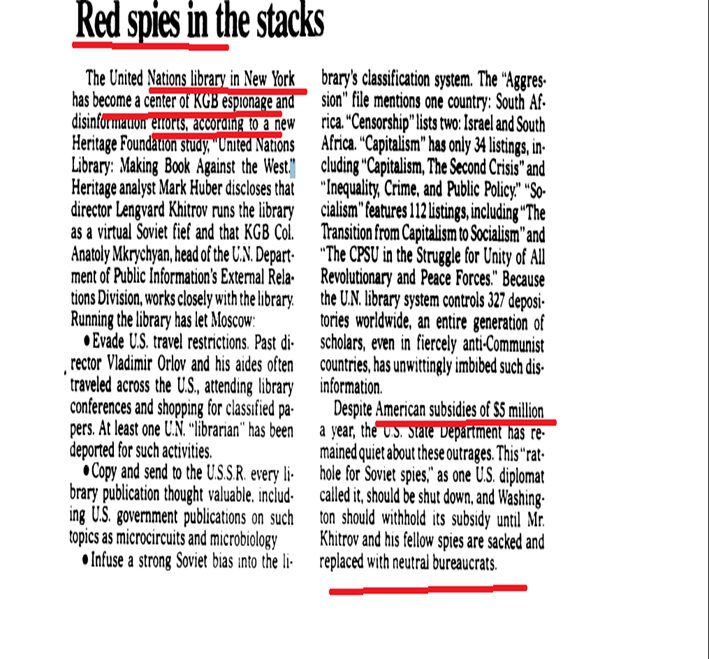
The information outlined above illustrates the extent to which Soviet strategic thinking incorporated the exploitation of the structural openness of Western democracies as part of a broader competition with the United States and its allies. Rather than relying exclusively on conventional intelligence collection, Soviet doctrine placed significant emphasis on political influence, narrative shaping, and the use of institutional access points within democratic societies as instruments of long-term geopolitical competition.
Particular attention was given to cultural institutions, media organizations, universities, and research centers, which Soviet strategists understood as key environments where political narratives are shaped, elite opinion is formed, and long-term policy orientations can be indirectly influenced. Control or influence within these sectors was viewed not simply as a propaganda objective but as a strategic tool capable of shaping electoral climates, intellectual trends, and ultimately the foreign policy orientation of Western governments in ways that would better serve Soviet strategic interests.
In contemporary security debates, Russia’s current hybrid warfare doctrine is frequently described as reflecting an evolution of these Cold War methods, adapted to the realities of digital communications and globalized information networks. This approach combines traditional intelligence practices with information operations, economic leverage, cyber capabilities, and political influence campaigns designed to achieve strategic effects without direct confrontation.
Three operational patterns are frequently identified in assessments of this strategy. The first consists of efforts “to dominate information centers and information dissemination tools in order to subvert Western countries”, particularly through influence in media ecosystems, academic environments, and digital communication platforms capable of shaping political discourse.
The second involves sustained psychological and informational pressure, described as efforts “to engage in consistent and ruthless psychological warfare, targeting both the ‘national communities’ and influential individuals in each country”. This dimension focuses on exploiting pre-existing political, social, and cultural fault lines in order to amplify polarization and weaken institutional cohesion.
The third relates to the systematic construction of deniability mechanisms, including the use of intermediaries, informal networks, and indirect channels of influence “setting reasonable excuses or alibis to build plausible deniability so that Russia may aggressively and credibly refute any involvement in ‘other countries internal affairs’, keeping the narrative that Russia is ‘fully committed to abide by international law’.” This approach allows Moscow to maintain formal adherence to international norms while continuing to compete for influence within Western political and institutional environments.
Lyndon LaRouche’s reported connections with Russian intelligence-linked networks in the United States and contacts associated with conservative Saudi circles
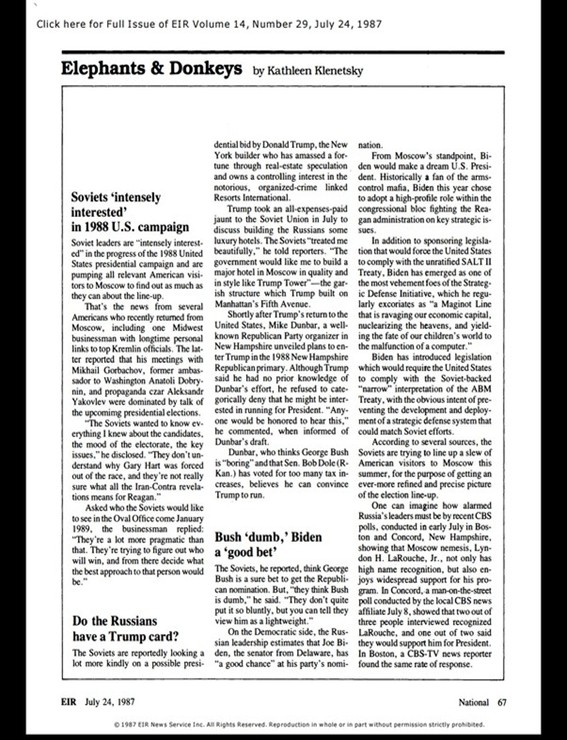
Page 97 of Lyndon LaRouche’s Executive Intelligence Review (November 1987) describes Donald Trump’s 1987 trip to Moscow and discusses the Soviet Union’s growing interest in developments surrounding U.S. presidential politics. The article, authored by Kathleen Klenetsky, one of LaRouche’s closest collaborators, noted that Trump was not the only American business figure invited to Moscow at Soviet expense. According to the publication, a businessman from the American Midwest, identified as a source connected to the LaRouche movement, had also traveled to the Soviet Union under similar arrangements.
This episode reflects a broader Cold War pattern in which Soviet institutions sought to cultivate relationships with Western businessmen, academics, and political intermediaries viewed as capable of facilitating dialogue or providing insights into Western political and economic environments. The same publication also highlighted the continued influence of former Soviet Ambassador to the United States Anatoly Dobrynin, with whom Vladimir Yakunin reportedly began his diplomatic and institutional career. Dobrynin was portrayed as maintaining a significant informal role in shaping Soviet-American relations even after leaving his post in Washington.
The Executive Intelligence Review article also discussed Soviet interest in developments within the Democratic Party presidential primaries, referring to then-Senator Joe Biden as a potentially favorable candidate from the Soviet perspective. This characterization was consistent with the LaRouche movement’s broader political messaging at the time, which sought to oppose arms control and strategic defense initiatives that LaRouche claimed intellectual ownership over, particularly the Reagan administration’s Strategic Defense Initiative, commonly known as the “Star Wars” program.
Within this same narrative, Joe Biden was portrayed as a political figure inclined toward accommodation with Soviet strategic positions, particularly in the area of arms control negotiations. George H. W. Bush was also criticized in LaRouche publications, reflecting Lyndon LaRouche’s long-standing political rivalry with the Bush political family. Criticism of the Bush family was a recurring theme both in Soviet propaganda narratives and in LaRouche movement publications during that period.
At the same time, Executive Intelligence Review sought to promote Lyndon LaRouche’s own presidential ambitions by portraying him as a principal ideological opponent of the Soviet Union, describing him as the true Soviet Union’s “archnemesis”, with “high name recognition” and “popular support for his program” in New England.
During the later stages of the Cold War, the LaRouche movement’s publications often echoed themes that paralleled certain Soviet geopolitical narratives, particularly in their critiques of U.S. foreign policy and their emphasis on global systemic transformation. Observers have noted similarities between some of these narratives and contemporary geopolitical messaging surrounding Russia’s war in Ukraine and broader critiques of Western political institutions.
Taken together, these dynamics have led some analysts to argue that the LaRouche movement maintained a complex and at times overlapping relationship with Soviet and later Russian geopolitical narratives. From this perspective, the relationship can be understood as mutually instrumental: Soviet structures could benefit from the amplification of narratives capable of increasing political division inside the United States, while LaRouche could leverage international visibility to strengthen his own political relevance and access to networks of influence.
LaRouche’s leadership style, characterized by strong personal authority, highly centralized decision-making, and an intensely loyal internal structure, reinforced the perception of a movement built around ideological discipline and organizational cohesion. His personal ambition, financial resources, and extensive network of political contacts made him an unconventional but potentially useful interlocutor for foreign actors seeking to better understand or influence American political debates.
From the perspective of Russian strategic thinking, movements such as LaRouche’s offered energetic and highly motivated activist networks capable of shaping political narratives and mobilizing supporters. These networks also possessed experience in political campaigning, media messaging, and policy advocacy, making them potentially useful amplifiers of narratives aligned with broader geopolitical objectives. At the same time, such relationships could provide plausible deniability to foreign actors by allowing narratives to be promoted through domestic political movements rather than directly through state channels.
Yuri Dubinin’s daughter, Natalia Dubinina, who was reportedly involved in facilitating contacts between her father and Donald Trump during the period referenced in The Art of the Deal, was working at the United Nations Library as an international civil servant. During the Cold War, Western analysts frequently identified the UN system as an environment where Soviet personnel could gain access to valuable institutional networks and information flows.
Natalia Dubinina later developed a professional career connected to international institutions, including work linked to UNESCO. Like many officials who navigated the transition from the Soviet system to post-Soviet institutional structures, her career reflects the broader continuity of professional networks that bridged the Soviet and Russian diplomatic and international policy environments.
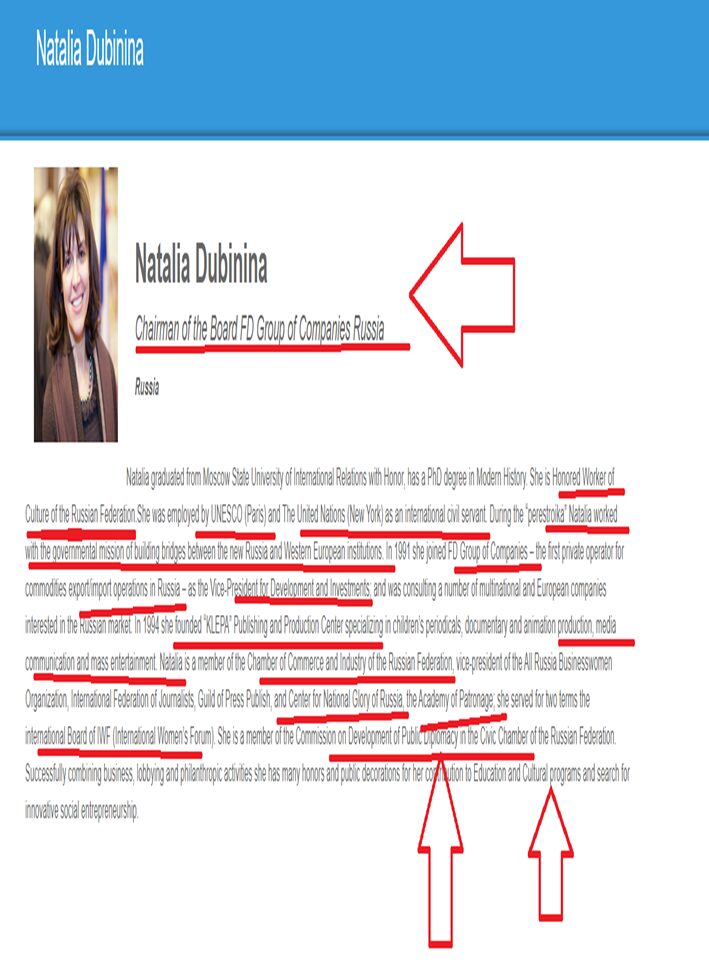
According to her official curriculum vitae, Natalia Dubinina was involved during the perestroika period in initiatives described as aimed at “building bridges between the new Russia and Western European institutions,” reflecting the broader effort by Soviet and later Russian officials to establish political, economic, and institutional links with Western partners during the transition period of the late 1980s and early 1990s.
Her professional trajectory has also included reported associations with business networks engaged in import–export activities spanning Russia, Asia, and European Union markets, as well as connections to lobbying and commercial environments described as operating within Russia’s broader international economic outreach framework.
During her time in New York, Dubinina operated within the Soviet diplomatic ecosystem at the United Nations, an environment in which diplomatic, commercial, and intelligence functions often intersected as part of standard Cold War-era statecraft. In this context, she has been described as part of the same institutional milieu as Vladimir Yakunin, who was also assigned to the Soviet mission during that period.
Dubinina has also been associated with business ventures and cultural organizations maintaining institutional or professional links to Russian networks. Among these roles, she reportedly served as Vice President for Development of FD Companies Group, an organization whose leadership included Andrey Filyurskiy, described in some accounts as a former Russian intelligence official who later transitioned into the private sector.
Her career path reflects a broader pattern seen among some former Soviet-era officials and affiliates who moved into commercial, cultural, and advisory roles during the post-Soviet period, often maintaining professional ties across diplomatic, business, and cultural sectors operating between Russia and Western countries.
Andrey Filyurskiy and Russian commercial networks operating in Western Europe
Andrey Filyurskiy has been identified in open-source accounts as a Russian national involved in the management of the FD Group of Companies, an organization reportedly operating between Russia and Western Europe, with a particular presence in Paris. The company’s activities have been described as focused on sectors such as real estate development, hospitality, and the facilitation of Western investment into the Russian market. Its operational footprint in major European capitals such as Paris, and reportedly Berlin, reflects the broader trend of Russian commercial entities establishing a presence in key European financial and political centers.
The FD Group of Companies maintains formal headquarters in St. Petersburg, the hometown of both Vladimir Putin and Vladimir Yakunin, while reportedly operating important commercial functions from Paris, where Filyurskiy and members of his family are said to reside. This geographic structure reflects a business model frequently used by Russian companies seeking to maintain operational access to Western markets while preserving their corporate base inside Russia.
Corporate records indicate that FD Companies Group operates within a broader network of related entities, including Phaeton Holding Company, which maintains offices in St. Petersburg, Moscow, and Krasnodar. These corporate structures appear to reflect a diversified business strategy spanning multiple regions of the Russian Federation and focusing on sectors with strong international commercial interfaces.
Phaeton Holding Company has been associated with businessman Sergey Ivanovich Snopok, who was previously linked in business ventures with Vladimir Khilchenko. Following a reported restructuring of their business interests, Khilchenko assumed control of the Sozvezdie (“Constellation Aquarius”) Holding, headquartered in St. Petersburg. According to its corporate descriptions, the company provides services in financial consulting, real estate, hospitality, and professional education and training for both domestic and international clients. Promotional materials indicate that the company traces its origins to 1991, coinciding with the dissolution of the Soviet Union and the emergence of new private-sector structures within the Russian economy.
Russia and Saudi conservative networks: the intersection of intelligence, paramilitary, and civilian structures
Contemporary security discussions frequently highlight how state and non-state actors associated with Russia and conservative Gulf networks have sought to integrate influence operations within otherwise legitimate spheres of activity, including business, cultural initiatives, educational exchanges, and religious organizations. This approach reflects a broader pattern in which influence activities are embedded within normal economic and social structures, allowing networks to develop access, credibility, and operational flexibility.
Such strategies frequently rely on the overlap between commercial engagement, cultural diplomacy, and institutional partnerships, allowing actors to develop long-term networks of influence without relying on overtly political channels. These environments can also provide opportunities for information exchange, relationship-building, and reputational positioning within elite and policy-making circles.
This model reflects a long-standing tradition within intelligence tradecraft in which commercial enterprises, cultural associations, and educational platforms may function as environments for networking and influence-building. In modern geopolitical competition, these methods are often discussed within the broader framework of hybrid influence strategies, where economic, informational, and cultural engagement can operate alongside more traditional political and security objectives.
Within this framework, the intersection of business interests, cultural initiatives, and religious or educational activities can provide access to influential networks across Europe and North America, reinforcing the importance of transparency, due diligence, and institutional resilience in environments where commercial engagement and geopolitical competition increasingly intersect.
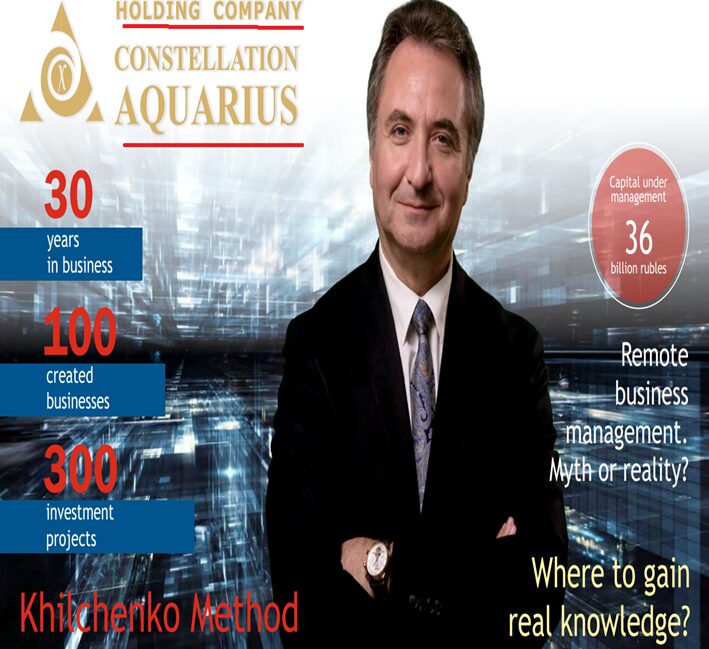
Promotional material from Vladimir Khilchenko’s Sozvezdie (“Constellation Aquarius”) Holding, highlighting the company’s services and its stated objective of providing clients with opportunities to “gain real knowledge” through its education, training, and consulting activities.
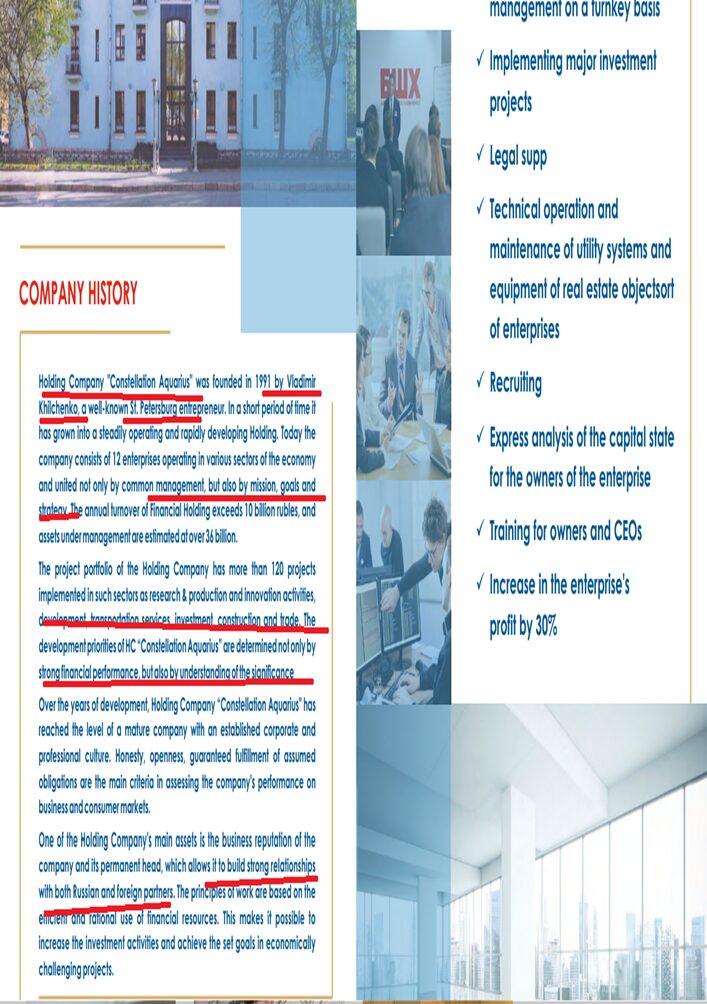
Vladimir Khilchenko has stated in corporate materials that his company, Sozvezdie (“Constellation Aquarius”) Holding, has participated in more than 120 projects involving both Russian and international clients. His professional trajectory reflects a pattern common among segments of the post-Soviet Russian business elite, many of whom emerged from or maintained connections with former Soviet institutional structures, including defense, technical, and state-adjacent sectors.
Open-source accounts describe Khilchenko as having operated within professional environments that intersected with Russia’s defense and technical communities, including contacts linked to military and security-related institutions, as well as participation in cultural and academic initiatives in St. Petersburg. Like many Russian business figures of his generation, his activities appear to combine commercial ventures with involvement in educational and institutional networks.
Khilchenko also founded the Vladimir Khilchenko Business School in St. Petersburg, an institution intended to promote what he describes as the “Khilchenko Method,” a registered trademark presented as a universal enterprise management framework integrating business administration principles, operational methodologies, and organizational standards. The initiative reflects a broader trend in Russia of business leaders establishing educational platforms to disseminate management models and expand professional networks.
The Khilchenko Business School has reportedly developed cooperative relationships with established academic institutions, including Peter the Great St. Petersburg Polytechnic University, a major public technical university with longstanding ties to Russia’s engineering, defense, and applied research sectors. Like many major Russian technical universities, the institution has historically maintained relationships with state research programs, particularly in fields such as engineering, cybersecurity, and applied mathematics.
Research programs connected to advanced computing, algorithmic analysis, and digital monitoring technologies developed within Russian technical universities have contributed to the country’s broader technological capabilities, including projects related to cybersecurity and information management. Such institutions often operate at the intersection of academic research and state priorities, particularly in areas regarded as strategically important to national technological development.
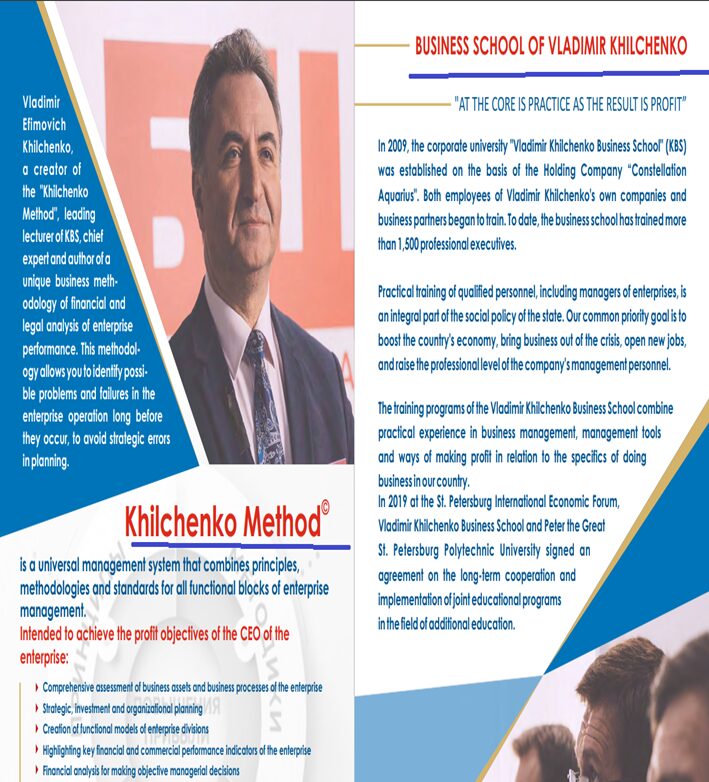
Vladimir Khilchenko, Natalia Dubinina, and Vladimir Yakunin share a common background of involvement in Russian institutional, commercial, and cultural networks aligned with Kremlin strategic interests. Their professional trajectories illustrate the intersection between business activity, cultural engagement, and state-connected environments that has characterized parts of Russia’s post-Soviet elite structure.
Khilchenko has also maintained close ties with the Russian Orthodox Church, an institution that plays not only a religious role but also an important function within Russia’s broader state influence architecture. In this context, religious institutions have frequently served as platforms for networking, cultural diplomacy, and international outreach beyond strictly spiritual activities.
Khilchenko is identified as director of “St. Andrew’s Cross” (PMC Andreevsky Krest), which he has described as “the first PMC (Private Military Company) with a training center to prepare volunteers” for activities aligned with Russian military objectives, including operations connected to the war in Ukraine. Ukrainian intelligence assessments have described “St. Andrew’s Cross PMC” as the result of cooperation between Kremlin-aligned actors and Patriarch Kirill, head of the Russian Orthodox Church.
A notable policy divergence has emerged regarding the treatment of this entity by Western governments. While the United States, Canada, and the United Kingdom followed Ukraine in sanctioning “St. Andrew’s Cross,” the European Union chose not to adopt parallel measures.
Several explanations have been discussed in policy circles. From a material standpoint, questions were reportedly raised about whether sufficient evidence existed to establish that “St. Andrew’s Cross” functioned primarily as an operational private military company directly engaged in the Ukraine conflict. Its association with a major religious institution added additional sensitivity, particularly given the Russian Orthodox Church’s international presence and the legal protections surrounding religious freedom in Western democracies.
From a political and diplomatic perspective, sanctioning an organization associated with the Russian Orthodox Church risked being framed by Moscow as an attack on Russian religious life, potentially strengthening domestic support for the Kremlin. There were also concerns that such a step could complicate informal diplomatic channels in which religious organizations sometimes play a facilitating role.
Security concerns also factored into the debate. Intelligence assessments reportedly considered the possibility that additional measures targeting entities connected to the Orthodox Church could trigger retaliatory actions against Western nationals in Russia, particularly individuals involved in religious missions. Particular attention was given to groups such as “The Church of Jesus Christ of the Latter-day Saints,” whose missionaries have occasionally been portrayed by Russian authorities as linked to Western intelligence services.
Legal and technical considerations were also relevant. Activities attributed to “St. Andrew’s Cross PMC,” particularly the training of volunteers later integrated into other Russian military formations, may already fall under existing sanctions frameworks targeting Russian paramilitary networks such as the Wagner Group and successor entities. Expanding sanctions in this area without clear additional legal justification could create redundancy and complicate enforcement. Constitutional protections related to religious freedom in the United States were also considered a factor requiring careful legal calibration before targeting entities connected to religious structures.
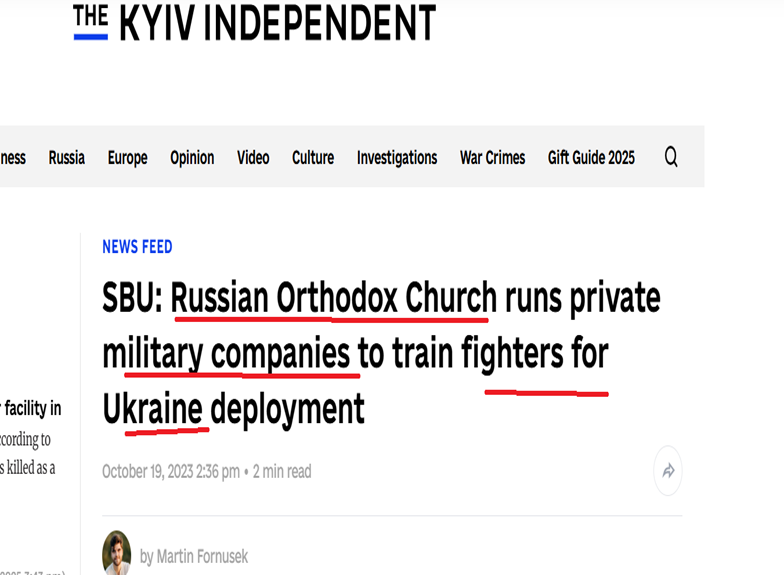
Additional explanations have also been advanced that focus more directly on domestic political considerations in the United States. Among these is the argument that targeting “St. Andrew’s Cross PMC”, and by extension an entity perceived as connected to the Russian Orthodox Church, could complicate electoral outreach efforts by both Democratic and Republican candidates toward Orthodox Christian communities in the United States, particularly among voters of Russian and Eastern European descent.
Another line of reasoning, frequently cited in discussions concerning the composition of U.S. sanctions lists, relates to broader geopolitical considerations involving allied countries. It has been suggested that “St. Andrew’s Cross PMC” may not have been included in certain sanctions frameworks in part because of evolving tensions between the United States and Canada. Bilateral relations have experienced periods of friction in recent years, including during the Biden administration, with policy disagreements extending to sanctions coordination and foreign policy priorities. At times, Canadian officials publicly accused the United States of “hypocrisy” in the application of sanctions waivers and enforcement practices.
The previous Conservative government in the United Kingdom adopted a middle-ground approach aligned with Canada’s position, focusing on sanctions against specific individuals connected to the Russian Orthodox Church rather than targeting the institution itself or organizations broadly associated with it. This approach reportedly generated debate within Conservative Party circles but ultimately reflected the long-standing priority of maintaining policy cohesion among Commonwealth partners. Russian officials reacted to the sanctions imposed on the Patriarch of the Russian Orthodox Church by describing the measures as the work of “Satanists” and characterizing them as “religious persecution.”
According to information attributed to the Molfar Intelligence Institute, the main operational characteristics of “St. Andrew’s Cross PMC” are summarized as follows:
“Year of foundation: 2017.
PMC status: Active.
Financing: Russian Orthodox Church (ROC): according to the , the training of soldiers is carried out at the expense of donations and soldiers’ own funds.
The number of fighters: They to be able to train 70 to 100 soldiers in three months; they say they have been training since 2017, so we can assume that they have trained about 2,000 soldiers in 5 years.
Locations of operations: The “graduates” of the training center are probably fighting in Ukraine.
According to the organization’s director, Volodymyr Khilchenko, Andreyevsky Krest was established in 2017 as a tactical training center. They are planning to create their own volunteer battalion for the war against Ukraine.”
At the same time, scrutiny within the United States regarding the Russian Orthodox Church’s potential links to Russian intelligence structures appears to be increasing. U.S. Congressman Joe Wilson, Republican of South Carolina, reportedly sent a letter to Attorney General Pam Bondi requesting an investigation into possible connections between the Russian Orthodox Church and Russian intelligence services, as well as alleged activities aimed at destabilizing the United States.
This initiative followed reported meetings involving representatives of the Russian Orthodox Church and senior U.S. officials, including Director of National Intelligence Tulsi Gabbard and State Department Under Secretary for Public Diplomacy Sarah B. Rogers, reflecting the growing sensitivity surrounding religious diplomacy, foreign influence concerns, and national security considerations in the current geopolitical environment.
Russia’s attempts to influence U.S. political dynamics alongside networks linked to Gulf conservative circles and figures associated with the former Syrian government
Political figures associated with Tulsi Gabbard have, at times, echoed narratives consistent with Russian state messaging, including claims that the Russian Orthodox Church has faced systematic persecution by Ukrainian authorities. These narratives fit within broader Russian information strategies aimed at shaping perceptions of the Ukraine conflict among Western audiences.
Within this framework, Russian messaging appears designed to appeal simultaneously to different ideological constituencies inside the United States. On one side, outreach efforts appear directed toward conservative Christian audiences, particularly those attentive to religious freedom issues. On the other, messaging has also resonated with segments of the progressive political spectrum critical of U.S. foreign policy and receptive to arguments portraying Russia as a counterweight to what they characterize as American global dominance. In this context, some progressive factions have portrayed the Russian Orthodox Church as a potential partner in broader critiques of Western economic and security structures.
Russian information strategy also appears to reflect a detailed understanding of the importance of religious freedom within U.S. foreign policy discourse, particularly in the work of the State Department and congressional committees. Framing Ukraine as a state engaged in religious repression could provide a political rationale for some U.S. policymakers to reconsider the extent of their support for Kyiv, particularly if such arguments are presented as consistent with American constitutional values and international religious freedom advocacy.
Conversely, continued U.S. support for Ukraine provides opportunities for Russian information campaigns to portray American policymakers as “intrinsically hypocritical” if they are depicted as supporting a government accused of restricting religious expression. Such narratives are often amplified through coordinated messaging across domestic and international media ecosystems. The broader strategic objective of these efforts is frequently described as increasing polarization, undermining trust in federal institutions, and shaping U.S. policy debates in ways more favorable to Russian geopolitical interests and those of aligned actors.
In pursuit of these objectives, Russian religious diplomacy has included outreach to American political figures perceived as open to dialogue. In addition to Tulsi Gabbard, representatives of the Russian Orthodox Church have reportedly engaged with senior U.S. officials, including the Under Secretary of State for Public Diplomacy.
Under the current Trump administration, that position is held by Sarah B. Rogers, a lawyer whose previous professional work focused on First Amendment, privacy, and regulatory law at Brewer Attorneys, a Dallas-based law firm with offices across the United States. Rogers worked closely with the firm’s founder, William A. Brewer III, a prominent litigation attorney originally from Long Island, New York.
Within legal circles, Rogers has been associated with litigation involving regulatory challenges, including cases related to the tobacco industry and the National Rifle Association. Together with Brewer, she participated in legal efforts defending the NRA in proceedings involving regulatory disputes with New York state authorities, including actions associated with then-Governor Andrew Cuomo.
William A. Brewer III was retained by Wayne LaPierre, then head of the NRA, and became a key legal adviser during internal organizational and regulatory disputes. The NRA has long been regarded as one of the most influential advocacy organizations in American politics and was among the early institutional supporters of Donald Trump’s presidential ambitions.
Trump’s early engagement with national electoral politics included his participation in the NRA Leadership Forum in Nashville, Tennessee, in 2015, an appearance widely viewed as an important milestone in the consolidation of his political support among conservative constituencies. During this formative period, Trump reportedly received political advice from figures including his former attorney Michael Cohen, political strategist Roger Stone, political operative Michael Caputo, and members of his immediate family, including Eric Trump and Donald Trump Jr.

Maria Butina, later convicted in the United States for acting as an unregistered agent of the Russian Federation and subsequently elected to the Russian State Duma, was also present at events surrounding the 2015 NRA Leadership Forum where Donald Trump delivered a speech widely seen as marking the beginning of his presidential campaign trajectory.
According to publicly reported accounts, Butina was introduced to senior NRA figures through Tennessee-based attorney Kline Preston IV. Her access to these circles reportedly followed earlier contacts facilitated by Alexander Torshin, a Russian official and close associate of Vladimir Putin, who had developed relationships with American conservative organizations, particularly within gun rights advocacy networks.
Prior to these interactions, Butina had already attended campaign-related events connected to Donald Trump’s 2016 presidential bid. During one such appearance, she was given the opportunity to ask Trump a question concerning his intended policy toward U.S. sanctions on Russia, specifically whether he would consider maintaining or revising the existing sanctions framework. This episode later became part of broader investigations into Russian outreach efforts targeting U.S. political organizations and advocacy groups.

MARIA BUTINA at the NRA LEADERSHIP FORUM, NASHVILLE, TENNESSEE, 2015
William A. Brewer III became a key adviser to Wayne LaPierre during his tenure as executive vice president of the National Rifle Association, serving both as chief legal counsel and as a central strategic adviser during a period of significant internal and external pressure on the organization. His growing influence within the NRA coincided with a period of internal disputes, with some members and former officials criticizing the scale of legal fees billed by Brewer’s firm and attributing internal divisions within the organization, in part, to disagreements over legal strategy and governance.
Sarah B. Rogers worked alongside Brewer as part of the legal team representing the NRA in a number of high-profile legal disputes, particularly in cases involving First Amendment claims and regulatory challenges brought by the State of New York and then-Governor Andrew Cuomo. Their work focused on defending the organization’s constitutional arguments and institutional autonomy in the face of regulatory scrutiny.
Brewer Attorneys, the firm employing Rogers, also played a leading role in shaping both the legal and public relations strategy surrounding Wayne LaPierre during controversies connected to his contacts with Maria Butina, the Russian national later convicted in the United States for acting as an unregistered foreign agent. The firm was also involved in managing the legal implications and communications strategy related to trips by NRA officials to Moscow, which had been financed by organizations linked to Russian governmental and political networks.
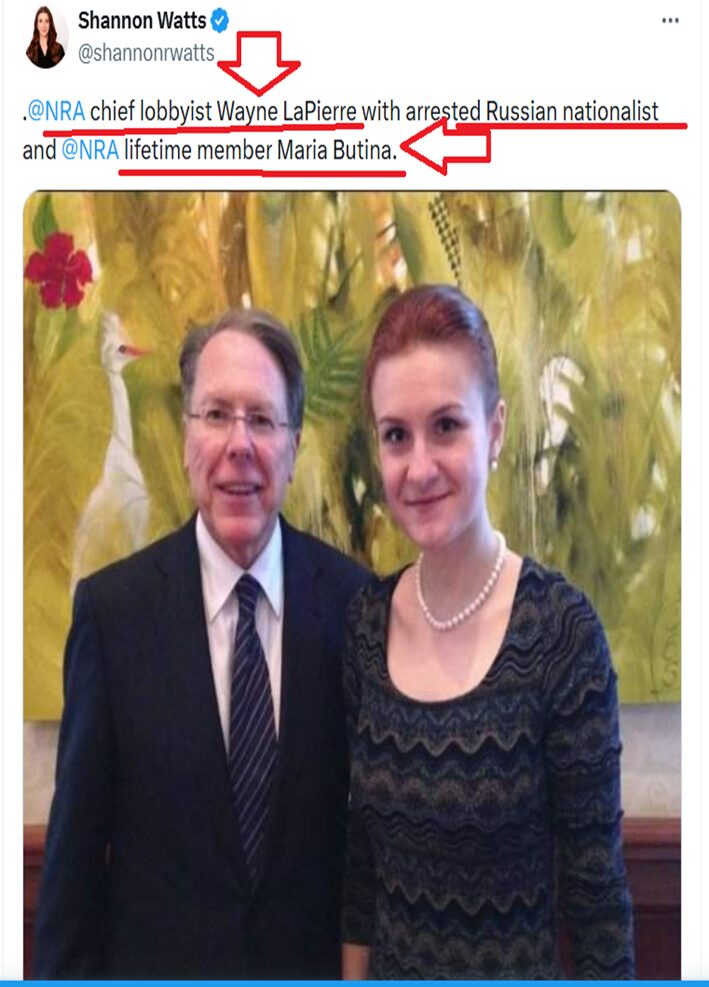
Wayne LaPierre, represented by the law firm employing Sarah B. Rogers, pictured with Maria Butina, later convicted in the United States for acting as an unregistered Russian foreign agent (Source: X account @shannonrwatts).
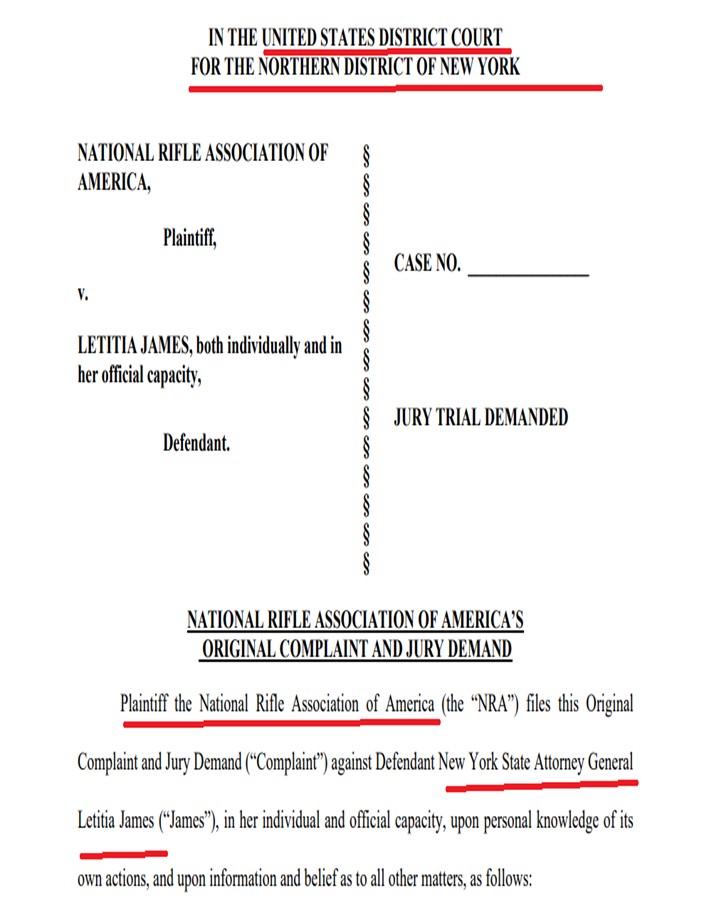
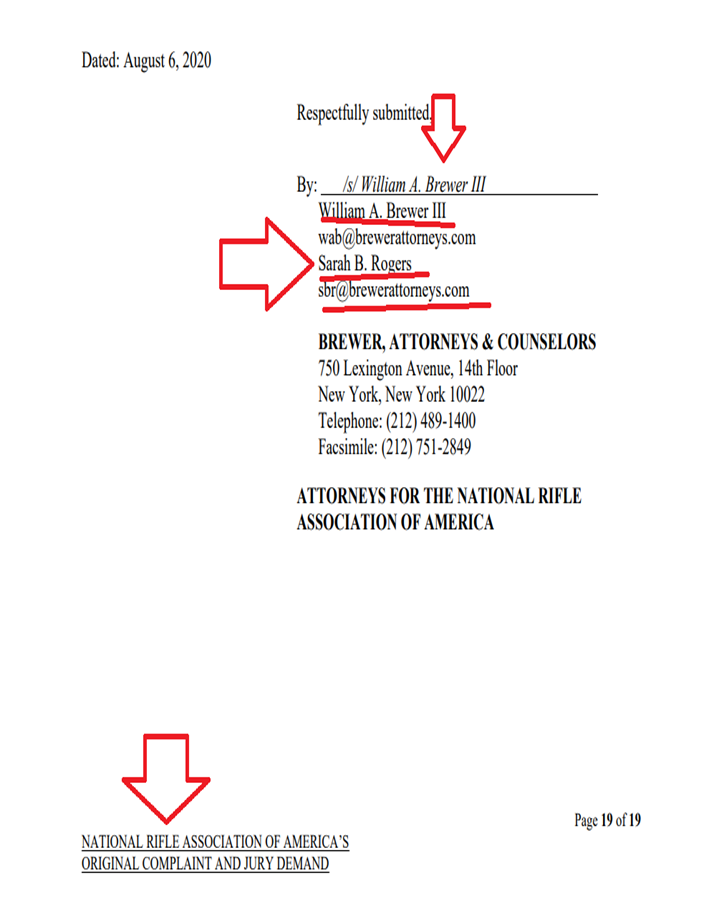
Legal petition filed by William A. Brewer III and Sarah B. Rogers on behalf of the National Rifle Association before the U.S. District Court for the Northern District of New York, alleging violations of the organization’s First Amendment rights by the State of New York.
Sarah B. Rogers’ first public engagement after assuming the position of Under Secretary for Public Diplomacy reportedly included an appearance on The Charlie Kirk Show, reflecting her prior connections within conservative political and media circles. According to individuals familiar with the matter, Rogers had met Charlie Kirk during the 2024 presidential campaign, where her legal expertise on constitutional issues, particularly the protection of First and Second Amendment rights, reportedly attracted his attention.
Rogers also engaged with members of the Republican congressional Freedom Caucus, a group composed primarily of populist and libertarian-leaning lawmakers within the GOP. Her professional background in constitutional litigation and regulatory defense aligned with policy priorities frequently emphasized by members of this caucus, particularly in areas related to individual liberties and limits on government authority.
William A. Brewer III, Rogers’ former employer and senior legal associate, has also been politically active through campaign contributions. Among these was a recent donation to Alabama Congressman Gary J. Palmer, a member of the House Freedom Caucus, illustrating Brewer’s connections within Republican political networks.
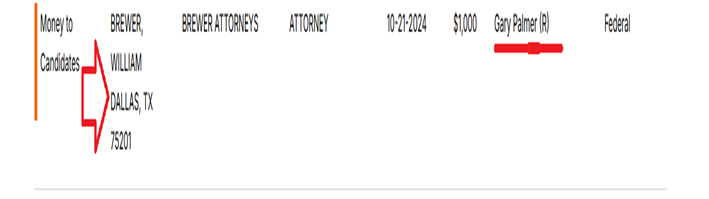
Sarah B. Rogers has described her understanding of the role of Under Secretary for Public Diplomacy in the 21st century as centered on direct engagement with global audiences in order to advance U.S. strategic interests and communicate the benefits of confronting actors she characterized as adversaries of democratic values and political freedom. Within this framework, she emphasized the importance of reaching audiences through nontraditional communication channels, including podcasts and digital media platforms such as The Charlie Kirk Show, which she presented as a means of bypassing what she described as the filtering effects of mainstream media narratives.
Rogers also indicated that her relationship with Charlie Kirk played a significant role in her entry into the Trump administration. She stated that Kirk had advocated for her appointment during the presidential transition process and described herself as the first candidate he had actively encouraged President Trump to consider for a senior policy position.
Through these professional and political connections, Rogers also developed ties with senior administration officials, including Director of National Intelligence Tulsi Gabbard, further illustrating the role of conservative media and advocacy networks in shaping personnel relationships within the current administration.
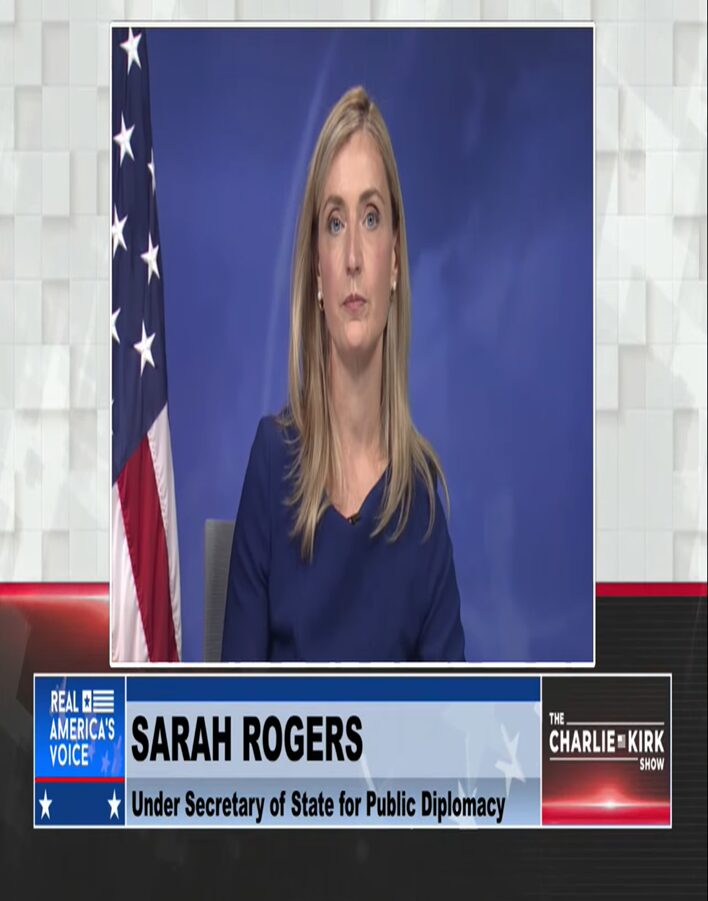
Tulsi Gabbard has reportedly followed Sarah B. Rogers’ work at the State Department with particular attention to issues related to sanctions policy, especially measures involving foreign individuals accused of violations of freedom of expression and related civil liberties concerns. Their professional alignment on these matters reflects overlapping interests in constitutional rights and the international promotion of civil liberties.
Both officials have also publicly expressed mutual support on the social media platform X, where they have praised each other’s professional work and policy positions, highlighting a visible degree of political and institutional alignment within the current administration.
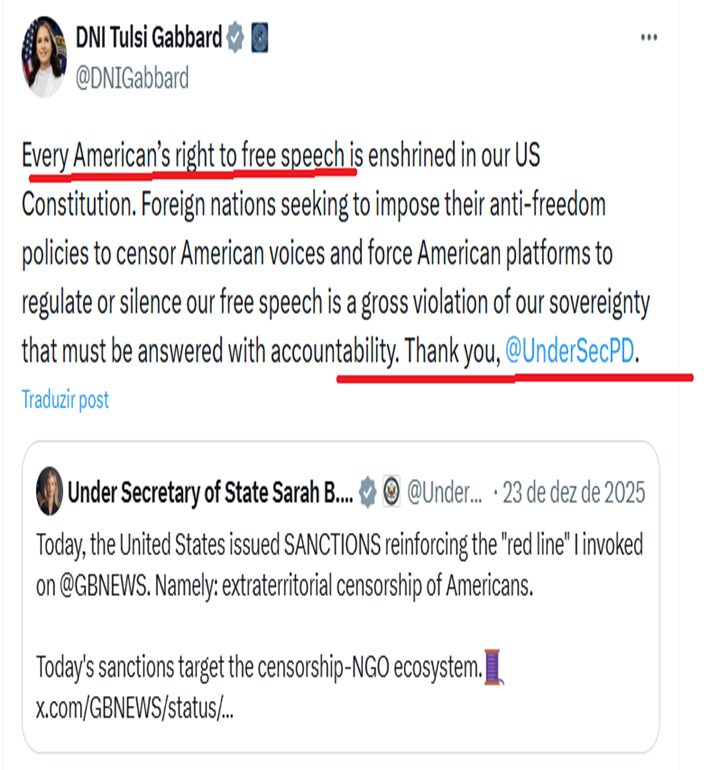
Some of Tulsi Gabbard’s public statements and political associations have been interpreted by critics as reflecting themes historically associated with Lyndon LaRouche’s geopolitical worldview, particularly narratives alleging the existence of entrenched transatlantic power structures hostile to U.S. sovereignty. Within this interpretative framework, some observers have suggested that elements within the current Trump administration have adopted a more critical posture toward traditional U.S. alliances, including relations with the United Kingdom and Canada, although such assessments remain politically contested.
Gabbard has also reportedly appeared at events where she encountered Helga Zepp-LaRouche, Lyndon LaRouche’s widow and leader of the Schiller Institute, including a gathering organized by LaRouche-affiliated networks in California (as previously reported by TWOCIW). Such interactions have been cited by commentators as further evidence of ideological overlap between segments of LaRouche-influenced geopolitical thinking and some of the foreign policy narratives circulating within parts of the contemporary U.S. political landscape.
In her capacity as Under Secretary for Public Diplomacy, Sarah B. Rogers has engaged with a range of international media platforms, including GB News, a British broadcaster associated with Nigel Farage and owned by investor Paul Marshall. Her appearance was framed as part of broader U.S. public diplomacy outreach directed at European audiences and policymakers.
Rogers has also received public praise from journalist Glenn Greenwald, co-founder of The Intercept and a prominent commentator on surveillance, civil liberties, and national security issues. Greenwald described Rogers as “one of the best Trump appointees” in public commentary. Greenwald is widely known for his collaboration with Edward Snowden in publishing classified material related to U.S. intelligence surveillance programs, an episode that continues to generate debate regarding transparency, national security, and press freedom.
Greenwald’s political positioning has often been described as unconventional, combining elements of civil libertarianism, criticism of U.S. national security policy, and skepticism toward traditional party alignments. His work has frequently emphasized the need for cross-ideological coalitions to challenge what he and Snowden have described as the “American national security apparatus.” Within this broader political environment, discussions surrounding a possible presidential pardon for Snowden have periodically resurfaced, with some commentators suggesting that figures such as Gabbard and Rogers could play roles in shaping internal debates on these questions.
Rogers’ legal background as a constitutional litigator has also informed her public statements regarding the role of the State Department in promoting freedom of expression as part of U.S. foreign policy. Her remarks in interviews, including her appearance on The Charlie Kirk Show, emphasized the importance of defending free speech principles internationally and strengthening U.S. credibility on civil liberties issues.
In this context, some commentators have drawn comparisons between this approach and efforts by Elon Musk following his acquisition of Twitter, now X, particularly the publication of internal company communications referred to as the “Twitter Files,” which were presented as evidence of content moderation practices that critics argued had restricted free expression. Within this comparison, Rogers’ approach has been interpreted as advocating a more assertive U.S. role in defining and promoting global standards related to freedom of expression as part of public diplomacy strategy.
Glenn Greenwald and his former colleague at The Intercept, Mehdi Raza Hassan, were both associated with a journalistic approach often compared by critics to the adversarial and confrontational style popularized by outlets such as Al Jazeera. Their editorial posture emphasized investigative reporting, strong institutional scrutiny, and a politically driven narrative style that, while not always explicitly partisan, frequently positioned itself in opposition to established Western security and foreign policy frameworks.
From the perspective of their critics, both Greenwald and Hassan helped normalize a mode of political communication designed less to clarify public debate than to intensify confrontation, delegitimize institutions, and convert journalism into a vehicle for ideological mobilization. In this view, their work consistently framed the United States and its allies through the language of structural abuse, hypocrisy, and imperial overreach, while giving comparatively less weight to the strategic behavior of authoritarian adversaries. Critics have therefore argued that, whatever their stated intentions, both figures contributed to an information environment favorable to actors seeking to weaken trust in Western democratic institutions.
Critics have also contended that Greenwald and Hassan operated as mirror-image polarizing personalities, each cultivating a distinct audience while reinforcing the same broader climate of anti-establishment distrust. Greenwald, in this reading, appealed to an ideologically hybrid coalition of civil libertarians, anti-interventionists, populists, and right-wing dissidents, whereas Hassan retained stronger credibility among progressive, left-liberal, and post-colonial audiences. The result, according to this interpretation, was not genuine pluralism but the expansion of parallel narratives converging on the same political effect: erosion of confidence in the American national security system, mainstream media, and the legitimacy of U.S. global leadership.
In recent years, however, the professional relationship between Greenwald and Hassan deteriorated, largely due to disagreements over editorial direction and the strategic positioning of The Intercept. Both journalists eventually distanced themselves from the publication. Hassan was reportedly critical of what he perceived as Greenwald’s increasing political alignment with figures such as President Donald Trump and former Brazilian President Jair Bolsonaro, relationships that, in Hassan’s view, conflicted with the publication’s earlier editorial posture.
From the standpoint of their detractors, this rupture did not necessarily alter the deeper structural role both men had come to play in public debate. Critics argue that even when they attack each other, they continue to energize rival but mutually reinforcing poles of political outrage. Under this interpretation, their public feud functions less as a meaningful ideological break than as an additional layer of polarization, one that further fragments audiences while preserving both men’s relevance as indispensable interpreters of crisis and grievance.
Whether this rift reflects a genuine ideological divergence or simply professional disagreement remains a matter of interpretation. Some commentators have suggested that such high-profile disputes between influential media personalities can contribute to further fragmentation of already polarized political audiences, regardless of their underlying motivations.
From a broader political communications perspective, the existence of prominent and ideologically opposed media figures can reinforce political polarization by strengthening identification within competing political constituencies. This dynamic can shape public discourse by intensifying confrontational narratives and reinforcing the perception of mutually exclusive political camps.
It has also been suggested that personality factors may have played a role in the breakdown of the Greenwald–Hassan relationship. Both journalists developed strong personal brands and reputations as high-profile commentators, and professional tensions between prominent media figures are often shaped as much by individual ambition and intellectual rivalry as by ideological disagreements.
Glenn Greenwald has advanced commentary portraying President Donald Trump as a uniquely positioned political actor capable of exerting decisive influence over Israel’s strategic decision-making and shaping the political trajectory of the Gaza conflict. In this framing, Trump is presented as a leader able to impose diplomatic discipline on regional actors and redefine the terms of engagement regardless of the complex realities on the ground.
Greenwald has also suggested in public commentary that his views on Gaza and broader Middle East policy resonate within circles close to President Trump, at times implying that his analysis reflects perspectives receiving attention within the administration. Such claims have drawn criticism from observers who question both the accuracy of these assertions and the policy implications of the positions he has promoted.
Critics of Greenwald argue that his public positions on Israel, Hamas, and Iran frequently align with narratives that place primary responsibility for regional instability on Israel and the United States while comparatively downplaying the role of Iranian regional strategy or the actions of Hamas. Some of these critics have further accused him of contributing to rhetoric they consider hostile to Israel or insufficiently sensitive to concerns about antisemitism, allegations that Greenwald and his supporters strongly reject.
From a national security perspective, detractors argue that narratives portraying the United States as capable of unilaterally dictating outcomes in highly complex regional conflicts risk oversimplifying the strategic environment and underestimating the autonomy of regional actors. They also contend that policy debates shaped by highly polarized media figures may complicate the development of coherent long-term U.S. strategy in the Middle East.
Within this debate, Greenwald remains a polarizing figure whose influence derives in part from his ability to shape discussion across ideological boundaries, while simultaneously attracting strong criticism from those who view his positions as misaligned with long-term U.S. strategic and security priorities.
Mehdi Hassan’s posture toward Tulsi Gabbard may be described as a form of strategic ambiguity. On one hand, Gabbard’s positions on surveillance, civil liberties, and U.S. foreign policy aligned at different moments with themes promoted by journalists connected to The Intercept, particularly in debates surrounding Edward Snowden and Julian Assange. On the other hand, Gabbard developed her own political trajectory, including positions on national identity, religion, and immigration that diverge from Hassan’s worldview, including what Hassan himself described as sympathies toward “Hindu nationalism” and a tougher posture on questions related to immigration and what some of her critics describe as concerns about the “Islamization” of Western societies.
Despite these differences, both figures have operated within political ecosystems shaped by overlapping debates on national security, civil liberties, and the restructuring of U.S. foreign policy. Their disagreements reflect not only ideological differences but also competition among factions seeking influence over the same political and media spaces.
Hassan’s professional trajectory, particularly his prominent role at Al Jazeera English, places him within a media structure widely regarded by U.S. policymakers and national security circles as closely aligned with Qatari state interests. During President Donald Trump’s first administration, the U.S. Department of Justice examined whether Al Jazeera should be required to register under the Foreign Agents Registration Act, reinforcing longstanding concerns in Washington that the network operates as part of Qatar’s global influence architecture rather than as a politically neutral media outlet.
Within this broader geopolitical context, Hassan’s commentary on Middle Eastern affairs, particularly Iran, has been viewed by critics as consistent with narratives that challenge U.S. regional strategy and Israeli security policy while emphasizing diplomacy and de-escalation toward Tehran. These positions have been interpreted by detractors as aligning with information narratives promoted by Qatar and Iran, both of which have invested heavily in media and academic platforms designed to shape Western public discourse.
The rivalry between Hassan and Glenn Greenwald reflects both ideological and personal dimensions. Both developed strong personal brands as adversarial journalists willing to challenge established institutions, and both cultivated reputations for intellectual independence combined with highly visible public personas. Their disagreements over political alliances, editorial direction, and personal positioning appear to reflect not only strategic divergence but also the clash of two highly ambitious figures competing for influence within overlapping media and political audiences.
Hassan’s earlier involvement in British politics also reflects his longstanding engagement with transatlantic political networks. He was an active supporter of Ed Miliband’s 2010 campaign for the leadership of the Labour Party and later authored a detailed political study of the Miliband family, examining their political development, family background, and rise within the party during the Tony Blair era.
Connections surrounding that period reportedly included individuals active in British and international political communications networks. Among these circles were figures linked to transatlantic public relations and advisory environments, including individuals connected to Robert (“Bob”) Leaf, a Missouri-born communications executive who built a significant career in London political consulting circles and maintained relationships across political and institutional networks relevant to Hassan’s research.
Taken together, Hassan’s career illustrates the intersection of media influence, political advocacy, and transnational communication networks that increasingly shape the political information environment in the United States, the United Kingdom, and Europe, particularly where journalism, geopolitical narratives, and ideological positioning converge.
Cover of Mehdi Hassan’s book examining the political trajectory of the Miliband family, focusing on the careers of David and Ed Miliband and their roles within the British Labour Party.
Ed Miliband currently serves as the United Kingdom’s Secretary of State for Energy, while his brother David Miliband is President and Chief Executive Officer of the International Rescue Committee (IRC), a major international humanitarian organization focused on conflict response, displacement, and development assistance.
In his capacity as head of the IRC, David Miliband publicly criticized the decision by the Trump administration, particularly Secretary of State Mike Pompeo, to designate the Iranian-backed Houthi movement in Yemen as a terrorist organization. In 2021, he described the designation as “an act of pure diplomatic vandalism,” arguing that the measure risked complicating humanitarian operations and restricting the delivery of aid to vulnerable civilian populations in Yemen.
The International Rescue Committee was among the humanitarian organizations that advocated for a review of the designation during the early weeks of the Biden administration. These advocacy efforts contributed to a broader policy reassessment that resulted in the removal of the Foreign Terrorist Organization designation from the Houthis, a decision justified at the time on humanitarian access grounds.
Subsequently, as Houthi attacks on international shipping and regional security concerns intensified, the Biden administration adjusted its policy and reclassified the group under a different terrorism-related sanctions framework, reflecting the evolving security and diplomatic considerations surrounding the Yemen conflict.
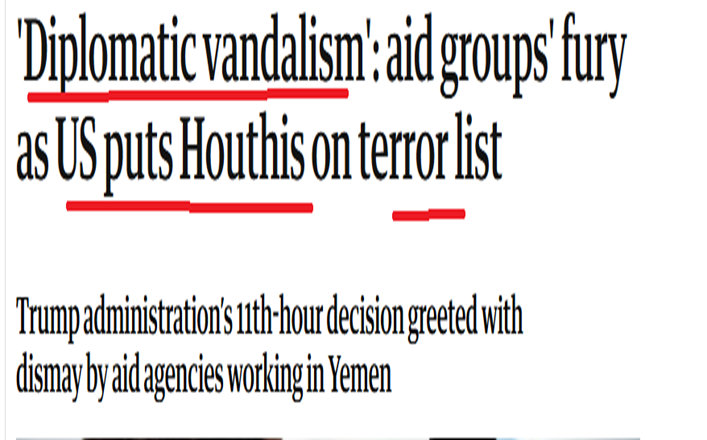
Source: The Guardian.
David Miliband’s past political fundraising networks have also drawn attention to individuals with connections across complex Middle Eastern political environments. Among those identified in this context is Anthony John James Bailey, a public relations figure who has described himself as an Irish communications professional and interfaith advocate and who reportedly maintained donor relationships with political and philanthropic initiatives connected to Miliband’s professional and political circles.
Bailey’s international profile includes longstanding links to Yemen. He was awarded the Yemeni Order of May 22 (Unification Medal), a state decoration commemorating the 1990 unification of the Yemen Arab Republic and the People’s Democratic Republic of Yemen (South Yemen), the latter having previously maintained close political alignment with the Soviet Union. The decoration was conferred during the presidency of Ali Abdullah Saleh, who ruled Yemen for more than three decades.
Saleh’s rule was widely characterized by allegations of systemic corruption, patronage networks, and the use of coercive state mechanisms to maintain political control. His government was frequently associated with practices involving the consolidation of power through security structures, the distribution of state resources to loyal networks, and the management of internal political rivalries through informal and opaque arrangements.
During his time in power, Saleh also maintained relationships with a range of influential regional business and political figures, including Saudi arms dealer Adnan Khashoggi, who became known internationally for his role in complex financial and political networks spanning the Middle East, Europe, and the United States, including Islamist groups associated with the “Old Guard”. These relationships reflected the broader environment of overlapping political, commercial, and security interests that characterized regional power structures during that period.
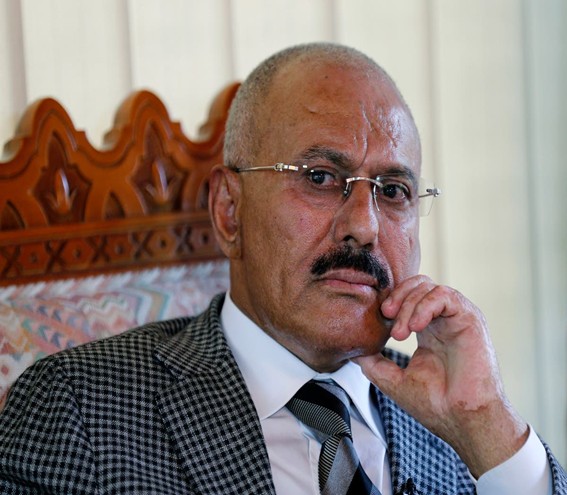
Former YEMENI President, ALI ABDULLAH SALEH
Adnan Khashoggi, one of the most prominent Saudi arms dealers of the Cold War period, maintained longstanding connections with Yemeni President Ali Abdullah Saleh dating back to Saleh’s early years as leader of the Yemen Arab Republic (North Yemen), prior to Yemeni unification in 1990. During this period, Khashoggi was widely reported to have facilitated defense-related transactions and logistical arrangements that contributed to the consolidation of Saleh’s military position. These activities took place within a broader regional environment shaped by Saudi Arabia’s strategic interest in Yemen and its desire to maintain influence over the political balance along its southern border.
At the time, Saudi intelligence was led by Prince Turki al-Faisal, a central figure in the Saudi security establishment and a leading member of the Al-Faisal branch of the Saudi royal family. Under his leadership, Saudi intelligence played a major role in regional security affairs, particularly in Yemen, Afghanistan, and the Horn of Africa. Turki al-Faisal’s tenure reflected the influence of the Al-Faisal family within the Saudi national security apparatus, a lineage descending from King Faisal, whose legacy continues to shape internal Saudi elite dynamics.
Ali Abdullah Saleh’s political survival strategy was characterized by his ability to navigate complex and often contradictory alliances. His government maintained relationships with Islamist networks, including figures associated with Yemen’s al-Islah party, which historically incorporated Muslim Brotherhood-aligned elements, while simultaneously managing the rise of the Houthi movement in northern Yemen. Although Saleh initially positioned himself as an opponent of the Houthis, his later tactical alliances with them demonstrated his pragmatic approach to power politics.
Saleh’s background as a Zaydi Shia from northern Yemen allowed him to maintain connections with tribal constituencies in the country’s highlands, while also enabling dialogue with Iran, which would later emerge as a supporter of the Houthi movement. His political narrative frequently emphasized his role as a national unifier capable of balancing Yemen’s regional, tribal, and sectarian divisions, although his rule was also widely associated with patronage networks, corruption, and transactional alliances with regional actors.
Saleh’s regional connections also extended into Saudi business and political networks, including individuals such as Adnan Khashoggi and business families such as the Bin Laden family, whose construction conglomerate became one of the most prominent corporate actors in Saudi Arabia. These relationships reflected the broader overlap between political authority, commercial influence, and security cooperation that characterized elite networks across the Arabian Peninsula during this period.
Within this geopolitical environment, Anthony John James Bailey’s reported contacts with Yemeni leadership have been interpreted in the context of his professional associations with Saudi institutional and philanthropic organizations, including work connected to the King Faisal Foundation, chaired by Prince Khalid al-Faisal, another prominent member of the Al-Faisal family and a long-serving governor of the Mecca region. The Al-Faisal family has historically been closely associated with Saudi Arabia’s foreign policy, intelligence, and religious diplomacy initiatives.
The Al-Faisal lineage occupies a distinctive position within the broader Al-Saud royal family. Descendants of King Faisal, who ruled Saudi Arabia from 1964 until his assassination in 1975, they have traditionally been associated with the kingdom’s diplomatic, intelligence, and technocratic governance structures. Figures such as Prince Saud al-Faisal, who served for decades as Saudi foreign minister, and Prince Turki al-Faisal, who led Saudi intelligence, contributed to the family’s reputation as a policy-oriented and internationally engaged faction within the Saudi ruling establishment.
At various moments, analysts of Saudi internal politics have noted differences in outlook between the Al-Faisal branch and other influential factions within the Al-Saud family, particularly regarding questions of foreign policy direction, relations with Western partners, and the management of Islamist movements. These differences have generally reflected internal competition for influence rather than open political conflict, as Saudi governance traditionally operates through consensus-building among leading royal factions.
In this broader context, individuals such as Bailey, whose professional activities intersected with Saudi institutional networks linked to the Al-Faisal family, were often perceived as operating within circles connected to Saudi soft power outreach, including interfaith dialogue, cultural diplomacy, and international communications initiatives. Such roles frequently placed them at the intersection of governmental, philanthropic, and reputational diplomacy efforts designed to project Saudi influence internationally.
Taken together, these overlapping Yemeni, Saudi, and transnational networks illustrate the complex web of political, intelligence, business, and cultural relationships that have historically shaped influence dynamics across the Middle East and beyond.
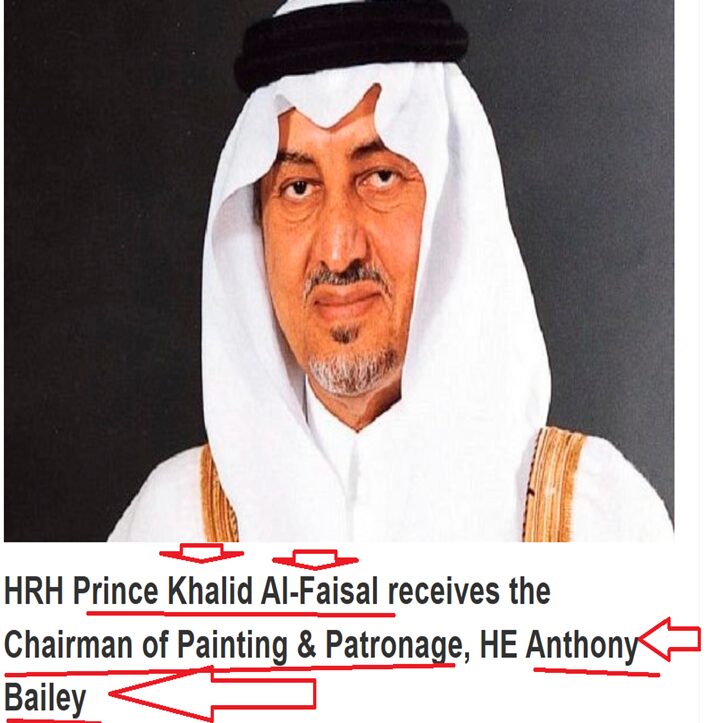
Anthony John James Bailey has presented himself as Chairman of the cultural initiative Painting and Patronage, a project associated with the King Faisal Center and reportedly based in Sintra, Portugal. The initiative has been described as focusing on cultural diplomacy, heritage promotion, and artistic engagement linked to Saudi institutional outreach.
Bailey has also identified himself as having served as Chief of Staff to Prince Khaled Al-Faisal in connection with activities related to the King Faisal Center, a Saudi institution involved in educational, cultural, and policy-related initiatives. These roles place Bailey within networks connected to Saudi cultural diplomacy and international engagement efforts.
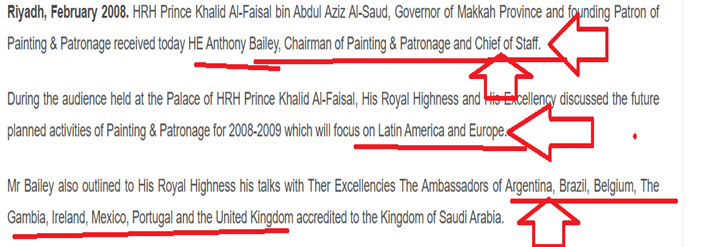
During Ali Abdullah Saleh’s long tenure as president of Yemen, his government was repeatedly accused by regional observers and Western security analysts of pursuing a highly transactional approach to militant groups operating in the Arabian Peninsula. Former members of extremist organizations who later cooperated with Western intelligence services alleged that elements within Saleh’s security architecture tolerated or indirectly enabled the growth of jihadist networks, including Al-Qaeda in the Arabian Peninsula (AQAP), as part of a broader strategy of regime survival based on balancing rival internal forces.
Saleh’s political method, frequently described as a strategy of “balancing on the heads of snakes,” involved managing Islamist factions, tribal militias, and regional patrons simultaneously, often allowing competing actors to coexist as a way of preventing any single force from becoming strong enough to threaten his rule. This approach contributed to a complex security landscape in which the Yemeni state maintained ambiguous relationships with both Islamist networks and other armed movements.
His government also maintained relationships with influential Saudi business circles, including members of the Bin Laden family, whose Saudi Binladin Group became one of the largest construction conglomerates in the Middle East. The company reportedly maintained commercial interests in Yemen during Saleh’s presidency, particularly in civil construction and financial projects linked to development and infrastructure.
Prince Alwaleed bin Talal, one of the most internationally visible Saudi investors of his generation, also developed connections with Yemen during this period. In 2011, he was awarded one of Yemen’s highest state decorations by President Saleh, reflecting both his philanthropic engagements and his regional business profile. Like Anthony John James Bailey, who also received Yemeni state recognition, Alwaleed’s decoration reflected the Yemeni leadership’s practice of cultivating relationships with influential international figures connected to Gulf political and financial networks.
Alwaleed bin Talal’s regional activities have also attracted scrutiny from analysts who have examined the political dimensions of Gulf philanthropy. Some critics have pointed to donations connected to Islamic charitable networks associated with Muslim Brotherhood-aligned social organizations, a pattern they interpret as part of Saudi Arabia’s historically complex engagement with Sunni Islamist movements during the Cold War and post-Cold War periods. In parallel, Alwaleed has at times been described by commentators as operating within financial and diplomatic circles close to Prince Turki al-Faisal, the longtime Saudi intelligence chief, reflecting the overlapping nature of Saudi elite business, intelligence, and diplomatic networks during that era.
Through the Alwaleed bin Talal Foundation, financial contributions were reportedly directed toward the Al Saleh Social Development Foundation, an entity associated with the Yemeni president’s family. These transfers were publicly framed as humanitarian support intended to assist populations affected by internal conflict and economic hardship. Parallel to these philanthropic initiatives, business entities associated with Alwaleed and long-standing Saudi corporate partners, including the Saudi Binladin Group, were involved in development and reconstruction projects such as the redevelopment of the Al-Dhafir village area.
Alwaleed bin Talal’s engagement with Yemen was also symbolically reinforced through ceremonial recognition. During a visit to Sana’a, he was presented with the keys to the city by Amin Juma’an, then a senior municipal authority often described as the functional equivalent of a mayor. Juma’an was widely regarded as a loyalist to Saleh during his presidency, although political realignments following Yemen’s internal conflicts later saw him associated with Houthi-controlled political structures, illustrating the fluid loyalties characteristic of Yemeni elite politics.
Saleh himself became known for his shifting alliances, at different times cooperating with Saudi-aligned Sunni Islamist actors, tribal networks linked to Islah, and eventually elements of the Iranian-backed Houthi movement, particularly after his removal from power in 2012. His later tactical alliance with the Houthis, before his eventual break with them and subsequent death in 2017, demonstrated the extent to which Yemeni political survival often depended on rapidly changing alignments rather than fixed ideological commitments.
The broader geopolitical context of these relationships reflects Yemen’s longstanding role as a battleground for influence among Saudi Arabia, Iran, and transnational Islamist movements. Saudi Arabia historically viewed Yemen as a critical buffer state, investing heavily in political networks, tribal patronage, and development initiatives to maintain influence. Iran, by contrast, gradually expanded its support for the Houthi movement as part of its wider regional strategy of cultivating non-state partners capable of challenging Saudi and Western interests.
Alwaleed bin Talal’s 2010 visit to Yemen received extensive media coverage in regional and diaspora-oriented outlets seeking to position themselves as major English-language sources on Middle Eastern affairs for audiences in the United States, Australia, and New Zealand. Such coverage reflected both the symbolic importance of Gulf investment in Yemen and the broader media strategy of highlighting Gulf philanthropic engagement in fragile regional states.
Taken together, these relationships illustrate the intersection of Gulf financial networks, Yemeni political survival strategies, and broader geopolitical competition across the Arabian Peninsula, where business, philanthropy, security cooperation, and political patronage have historically operated as mutually reinforcing instruments of regional influence.
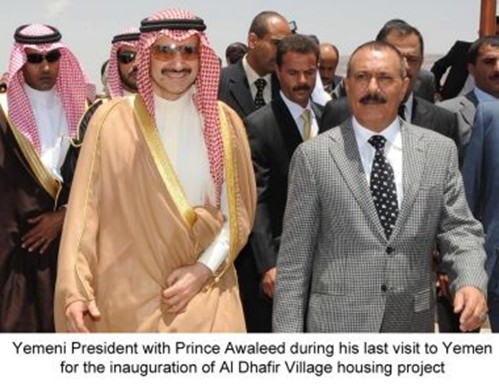
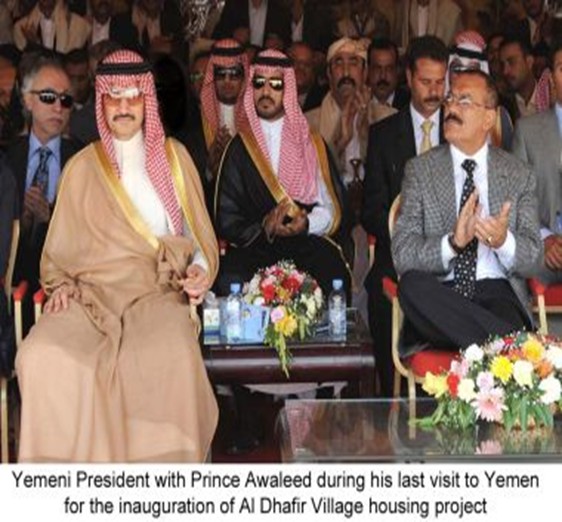
Photographs published by The Middle East Times International, an Australia-based publication, as part of its special coverage of Prince Alwaleed bin Talal’s official visit to Sana’a, the capital of Yemen.
Security concerns have been raised regarding the website of The Middle East Times International, an Australia-based publication, following technical observations that certain keyword searches on the site allegedly redirect users to unrelated external domains. These domains have been described in technical assessments as potentially unsafe, with some reportedly associated with spam networks, intrusive advertising, or possible malware distribution.
According to this analysis, some of the redirected pages reportedly include explicit or sexually suggestive promotional material, a tactic commonly identified in cybersecurity reporting as part of broader online scam ecosystems designed to attract traffic, harvest data, or distribute malicious software. Such techniques are widely documented in cybercrime typologies and are not uncommon across a variety of unrelated threat environments.
Technical observations have also noted that the website’s domain registration information appears to be anonymized through privacy protection services, a practice that, while common and legal in many jurisdictions, can complicate efforts to identify site ownership or operational responsibility. Reports have also suggested that infrastructure associated with the same hosting environment may be linked to additional commercial or low-credibility websites, some of which allegedly feature adult-oriented advertising commonly found in spam distribution networks.
The IP address associated with the website has been identified in open technical reporting as 103.26.237.117, with some cybersecurity observations noting connections to additional domains flagged in online safety databases. Among these is a domain identified in technical reporting as ktdphrrdoi.ladiescontact.com, described in such assessments as part of a broader ecosystem of suspicious advertising or phishing-style websites. Reported geolocation data places related hosting infrastructure in the Alexandria area of Sydney, New South Wales, although such geolocation data typically reflects server location rather than operational control.
Assertions that such digital activity is connected to state-linked intelligence operations remain speculative and unverified in open public evidence. Cybersecurity experts generally caution that the presence of adult content, spam advertising, or malicious redirects is more commonly associated with financially motivated cybercrime networks than with state intelligence activity, although overlaps can occur in complex information environments.
Although the ownership structure of The Middle East Times International is not publicly transparent through domain registration data, reporting has associated financial backing of the publication with two Lebanese-born businessmen based in New South Wales, Jean (“John”) Dib and George Dib. These individuals have been linked in business registries to the Dib Group of Companies, a diversified commercial group with interests including Metro Petroleum, a network of service stations, and the Australian ice-cream brand Mr. Whippy.
As with many privately held media ventures, the relationship between commercial ownership and editorial or technical management structures remains difficult to independently verify without formal disclosures. Allegations concerning broader geopolitical or intelligence connections remain matters of interpretation rather than established fact based on publicly available evidence.
JEAN “JOHN” DIB and GEORGE DIB at one of their owned gas stations METRO PETROLEUM in AUSTRALIA
The Dib Group of Companies has also been associated in public reporting with Lebanese-born Australian politician Jihad Dib, who has maintained longstanding connections within the Lebanese-Australian community in New South Wales.
Jihad Dib currently serves as Minister for Customer Service and Digital Government, Minister for Emergency Services, and Minister for Youth Justice in the Government of New South Wales. He represents the electoral district of Bankstown, a suburb of Sydney with a significant multicultural population, including a large Lebanese-Australian community.
His political career has been closely tied to community engagement, education, and multicultural affairs, reflecting his earlier professional background as an educator and school principal prior to entering public office.
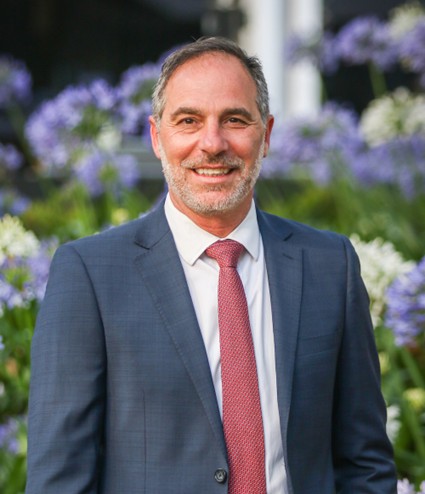
Jihad Dib, Lebanese-born Australian politician from the Australian Labor Party in New South Wales, who has maintained close ties within the Lebanese-Australian business community, including the Dib family, owners of Metro Petroleum and associated with The Middle East Times International.
Controversy has also surrounded Erin Dib, the spouse of New South Wales minister Jihad Dib, following allegations related to political advocacy activities within the educational environment where she teaches, Burwood Girls High School. The matter received national media attention after reports that she had participated in organizing pro-Palestinian advocacy activities involving students and fellow teachers.
According to reporting by Sky News Australia, audio recordings were released in which Erin Dib was allegedly heard discussing plans for school-related activism, including references to protests against what participants described as the “Zionist occupation.” The recordings were also reported to include discussions about educational materials addressing the Israeli-Palestinian conflict and strategies to navigate departmental professional conduct requirements.
The same reporting indicated that participants in internal discussions referenced activism models from the United States. As reported by journalist Shari Markson:
“The teachers on the zoom meeting admitted they were taking ideas from the Black Lives Matter movement in the United States.
‘So Palestine solidarity day, t-shirts, badges, kaffirs, culminating in a short rally at Jason Clare’s office. Do we need to talk about wearing t-shirts for Palestine … into schools?’ One teacher said.
‘You do get some principals raising code of conduct type issues. The original idea of t-shirts came from the Black Lives Matter in the United States where hundreds of teachers wore BLM t-shirts into schools there and teachers in Victoria did it for refugees.’
The teachers also discussed future plans to bring the Middle East conflict into the classroom, including during maths and English classes.”
The New South Wales Department of Education subsequently reviewed the matter under its professional conduct framework. Public discussion of the case has taken place within the broader debate in Australia regarding the boundaries between political expression and professional neutrality in educational settings.
Jihad Dib himself has been an outspoken political voice on Middle East issues, particularly regarding the Israeli-Palestinian conflict. His public statements have included strong criticism of Israeli government policy, which supporters describe as consistent with human rights advocacy, while critics argue that some of his rhetoric risks contributing to community tensions. His positions have also brought him into engagement with a range of community and religious organizations active in Australia’s public debate on Middle Eastern affairs.
Within this polarized environment, Dib’s statements on Islamophobia and antisemitism have also drawn scrutiny from political opponents and commentators, reflecting the broader tensions in Australian domestic politics surrounding the intersection of foreign policy debates, multicultural community relations, and domestic political discourse.
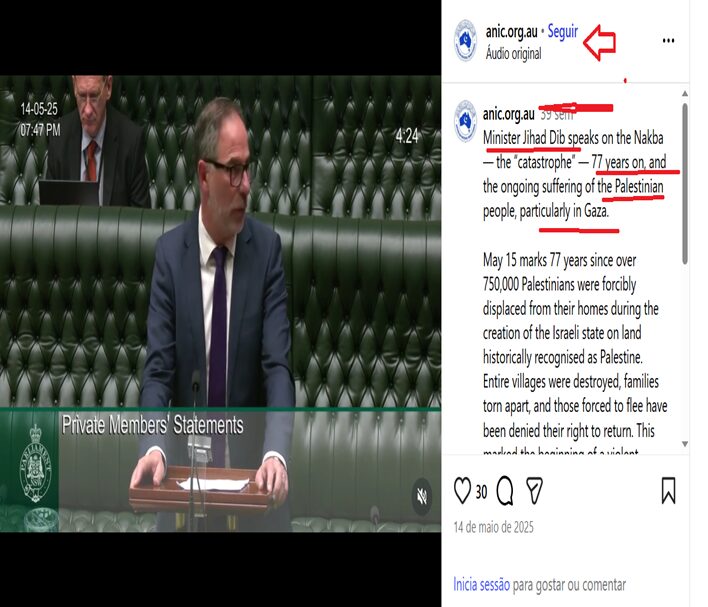
Jihad Dib addressing the New South Wales Parliament on issues related to the Palestinian Nakba and what he described as the “Israeli occupation,” reflecting positions also advanced by organizations such as the Australian National Imams Council.
The Australian National Imams Council (ANIC) has drawn scrutiny in public debate due to some of its international media engagements and the foreign policy positions expressed by certain affiliated figures, particularly regarding Middle Eastern geopolitical issues. Critics have pointed to appearances by ANIC representatives on platforms such as Iran’s state-run Press TV, a broadcaster widely regarded in Western policy circles as part of Tehran’s international communications apparatus, including programming in which positions sympathetic to groups such as Hezbollah have been discussed.
The organization is led by Shady Alsuleiman, an Australian-based cleric who has attracted controversy over past public remarks that led to restrictions on his international travel. Danish authorities previously denied him entry on the basis of statements they assessed as inconsistent with their standards regarding extremism and social cohesion.
Alsuleiman was also at one stage barred from entering New Zealand under that country’s immigration provisions concerning public order and community relations. Following subsequent diplomatic and administrative review processes, the situation was later reconsidered, allowing his entry under revised conditions. The episode drew attention to the broader challenges governments face when balancing freedom of religious expression, security concerns, and diplomatic considerations in managing cross-border religious engagement.
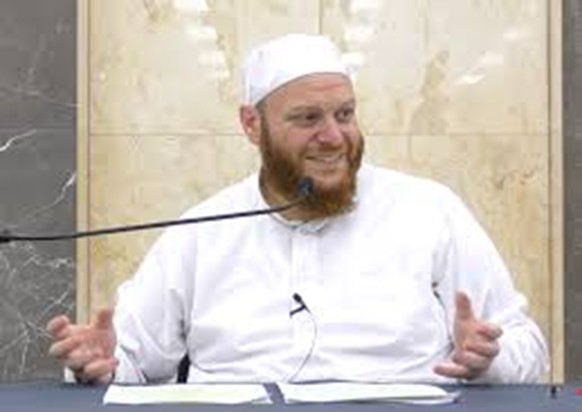
SHADY ALSULEIMAN
In 2014, Shady Alsuleiman was invited to deliver a lecture at a school in Birmingham, United Kingdom, an invitation that later attracted political and media scrutiny in the broader context of concerns about religious influence in certain British educational institutions. His past public remarks were cited in political debate at the time, including by then Secretary of State for Education Michael Gove, who referenced the case within a wider review of school governance and safeguarding standards.
In this context, the following concerns were highlighted in official commentary regarding practices observed in certain schools:
“The school organised visits to Saudi Arabia open only to Muslim pupils.
Senior leaders told inspectors that a madrassah had been established and been paid for from the school’s budget.
Ofsted concluded the school was “not adequately ensuring that pupils have opportunities to learn about faith in a way that promotes tolerance and harmony between different cultures”.
At one secular secondary school, staff told officials the call to prayer was broadcast over the playground using loudspeakers.
Officials observed lessons had been narrowed to comply with conservative Islamic teachings – in biology, students were told “evolution is not what we believe”.”
Alsuleiman’s invitation to speak was also questioned in light of previously reported remarks attributed to him, including the following statement:
“Give victory to Muslims in Afghanistan… Give victory to all the Mujahideen all over the world. Oh Allah, prepare us for the jihad.”
Beyond the United Kingdom, Alsuleiman has maintained an active international profile, including regular travel to Saudi Arabia and involvement with Islamic educational initiatives. In Australia, he has been associated with the Al-Faisal College network, one of the country’s largest Islamic school systems, which has longstanding institutional and philanthropic connections to Saudi-linked educational and charitable foundations.

AL-FAISAL COLLEGE’s Logo
Al-Faisal College, an Islamic educational institution established in Australia, traces its historical inspiration to the legacy of King Faisal of Saudi Arabia, father of Prince Turki al-Faisal and Prince Khalid al-Faisal. Prince Khalid has been associated with a range of cultural and institutional initiatives, including projects such as Painting and Patronage, in which Anthony John James Bailey has described himself as playing an organizational role.
The institutional roots of Al-Faisal College are often linked to the broader religious diplomacy initiatives launched during the tenure of Faisal bin Abdulaziz Al-Saud, who in 1962, while serving as Crown Prince under King Saud, supported the creation of the Muslim World League (MWL). This organization was conceived as part of Saudi Arabia’s effort to expand its religious and cultural influence internationally, particularly within Muslim communities abroad.
The Muslim World League emerged during a period marked by intense ideological competition within the Muslim world, especially between Arab nationalist movements and religious political currents. Saudi Arabia positioned itself as a leading sponsor of Islamic institutions worldwide, promoting its interpretation of Islam while also building alliances with various Islamist movements, including individuals associated with the Muslim Brotherhood who had left countries such as Egypt and Syria due to political repression.
As Zeyno Baran observed in her Hudson Institute analysis “The Muslim Brotherhood’s US Network”:
“(…) The 1960s was also when Saudi Arabia’s Wahhabi establishment began its global Islamization project, partnering with Brotherhood members who had left countries where the group was targeted for repression. One former U.S. Treasury official estimated that the Saudi government has spent some $75 billion supporting Islam and Islamic institutions worldwide.
In 1962, the Muslim World League (MWL) was established in Mecca, with Brotherhood members in key leadership positions, to propagate Wahhabism worldwide. Over the ensuing decades, the MWL has funded many legitimate charitable endeavors but also a number of Islamist projects. Some of this money has come to support Brotherhood activists in the U.S., in part to change the perception of Wahhabism in America from “extremist” to “mainstream.”
Historical accounts of the MWL indicate that a number of individuals associated with the Muslim Brotherhood held positions within the organization during its formative years. Among the most prominent was Said Ramadan, a leading Brotherhood figure and son-in-law of the organization’s founder, Hassan al-Banna. Ramadan played a significant role in establishing Brotherhood-influenced networks in Europe and was known for advocating the political role of Islam in governance, including his stated ambition to see Islamic political structures expand within Europe.
Ramadan later relocated to Saudi Arabia, where he participated in the early development of the Muslim World League following an invitation from Crown Prince Faisal. His subsequent activities also extended to Pakistan, where he was involved in Islamic institutional development during a period when Saudi Arabia sought to strengthen ties with emerging Muslim-majority states as part of its broader religious diplomacy strategy.
Taken together, these developments illustrate the convergence during the Cold War period between Saudi Arabia’s religious outreach efforts and elements of the broader Islamist movement, particularly in the context of countering secular Arab nationalism and expanding Saudi influence through religious, educational, and charitable institutions.
Saudi religious diplomacy, institutional networks, and the emergence of Mohammed Al-Issa

Said Ramadan, a prominent Muslim Brotherhood figure in Europe and an early participant in the establishment of the Saudi-backed Muslim World League, which played a central role in Saudi Arabia’s international religious outreach during the Cold War period.
Al-Faisal College is also connected to broader international educational and religious networks with a presence in the United Kingdom. Its institutional background is linked to the Muslim World League, an international Islamic organization historically funded by Saudi Arabia and involved in religious outreach, education, and interfaith initiatives.
The Muslim World League is currently led by Mohammad al-Issa, a former Saudi Minister of Justice and a senior religious and institutional figure within Saudi Arabia’s traditional religious establishment. In his leadership role, al-Issa has been active in promoting interfaith dialogue initiatives, educational partnerships, and international religious diplomacy efforts, particularly across Europe and North America.
Through institutional cooperation among organizations such as the Muslim World League and the King Faisal Foundation, these networks have supported a range of cultural, educational, and interreligious engagement programs. Initiatives such as Painting and Patronage, associated with Anthony John James Bailey, have been presented within this framework as cultural diplomacy platforms intended to foster dialogue through heritage, art, and religious engagement.
Within geopolitical analysis, such initiatives are sometimes interpreted as part of Saudi Arabia’s broader strategy of exercising soft power through religious outreach, philanthropy, and intercultural dialogue, reflecting the longstanding role of Saudi-backed religious institutions in shaping global Islamic networks and international engagement efforts.
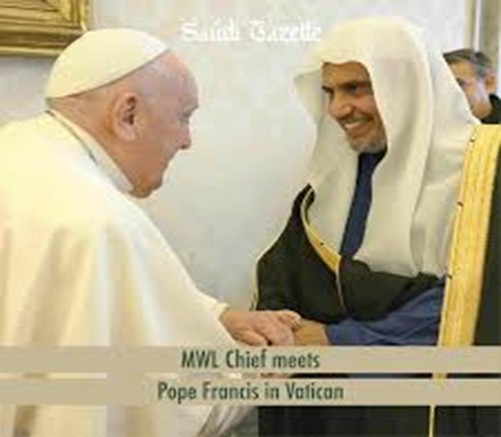
The Muslim World League maintains a registered presence in Australia through an entity identified as Muslim World League (Australia, New Zealand and South Pacific) Pty. Ltd., reportedly based in Preston, Victoria. This organizational structure reflects the League’s broader model of establishing regional offices to coordinate religious, cultural, and community outreach activities across different geographic areas.
In Australia, the organization has been involved in advocacy initiatives related to Middle East policy issues, including calls for official recognition of a Palestinian state. These advocacy efforts have been consistent with positions taken by Muslim World League-affiliated networks in other Western countries, including the United Kingdom and Canada, where similar campaigns have been conducted through community engagement and political outreach.
Community mobilization efforts linked to figures associated with the Muslim World League, including Australian cleric Shady Alsuleiman, have also included participation in public demonstrations related to Middle Eastern political developments. Among these were protests organized during the visit of Israeli President Isaac Herzog to Australia, which attracted attention within domestic political and media debates concerning freedom of expression, foreign policy advocacy, and community relations.
These demonstrations also received coverage from international media outlets, including Iran’s state-run broadcaster Press TV, which frequently reports on political activism in Western countries related to Middle Eastern affairs. Such coverage reflects the broader international media interest in diaspora political activism connected to regional geopolitical issues.
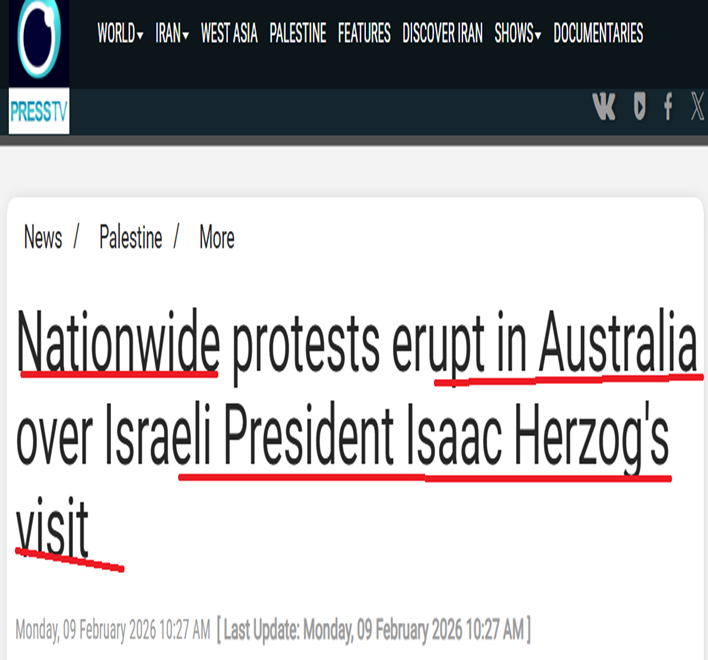
The Muslim World League (MWL) continues to occupy a complex position within the global Islamic institutional landscape, reflecting both its historical legacy and its evolving public posture. On one level, the organization has faced longstanding scrutiny from analysts who point to its historical connections with networks and individuals associated with Muslim Brotherhood currents and other Islamist movements, particularly during the Cold War period when Saudi Arabia supported a broad range of Islamic organizations as part of its ideological competition with Arab nationalism and communism.
At the same time, in recent years the MWL has undertaken an extensive international public diplomacy effort aimed at repositioning itself as a promoter of interfaith dialogue, religious tolerance, and global coexistence. Under the leadership of Sheikh Dr. Mohammad al-Issa, the organization has actively promoted messaging centered on moderation, coexistence, and cooperation among religious communities, seeking to present itself as a credible partner for Western governments and international institutions.
This repositioning is closely connected to the broader modernization agenda promoted by Crown Prince Mohammed bin Salman, particularly under the Vision 2030 framework. As part of this effort, Saudi Arabia has sought to recalibrate the international role of its religious institutions, shifting emphasis from the global export of rigid doctrinal interpretations toward a narrative of “moderate Islam” compatible with economic modernization, foreign investment, and geopolitical repositioning. Within this context, Al-Issa has often been viewed as one of the religious figures most closely aligned with the Crown Prince’s effort to rebrand Saudi Arabia’s religious diplomacy.
These developments have not occurred without internal tensions. The MWL’s transformation reflects a delicate balance between Al-Issa’s leadership priorities, which emphasize interfaith engagement and institutional reform, and more traditional views within segments of the organization shaped by decades of cooperation with conservative clerical networks. These differences mirror broader political dynamics inside Saudi Arabia between reformist circles aligned with Mohammed bin Salman’s modernization policies and more traditional religious constituencies historically connected to the Kingdom’s religious establishment and earlier MWL structures.
Al-Issa’s international engagement strategy, including outreach to Jewish organizations, participation in Holocaust remembrance initiatives, and high-visibility interfaith diplomacy, reflects the Crown Prince’s broader effort to reposition Saudi Arabia as a pragmatic global actor capable of engaging across religious and political divides. At the same time, these initiatives coexist with older institutional relationships that continue to influence the MWL’s internal culture and external partnerships.
An illustration of this dual positioning can be seen in the MWL’s public response to President Donald Trump’s decision to designate certain Muslim Brotherhood branches, including those in Egypt, Jordan, and Lebanon, as terrorist organizations. The MWL issued statements welcoming the move as consistent with its stated opposition to political extremism, reinforcing its emerging image as a partner in countering radical Islamist movements. At the same time, critics note the historical complexity of the organization’s earlier interactions with Brotherhood-linked figures, reflecting the long institutional memory that continues to shape perceptions of the MWL.
Taken together, the MWL’s current trajectory reflects the intersection of Saudi Arabia’s internal reform process under Mohammed bin Salman, Al-Issa’s leadership of the organization, and the legacy networks built during earlier decades of Saudi religious diplomacy. The organization’s evolution illustrates the broader tensions within the Saudi political and religious ecosystem, where modernization efforts, reputational diplomacy, and traditional institutional relationships continue to coexist within a rapidly changing strategic environment.
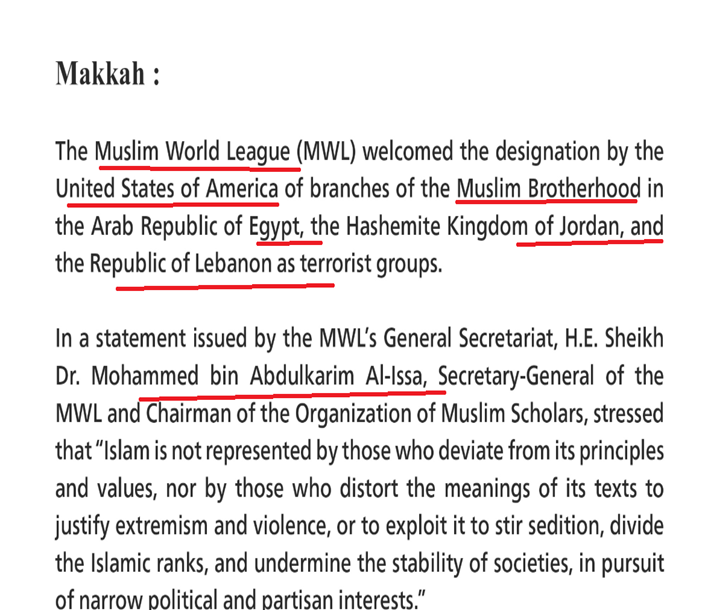
Saudi Arabia’s external religious engagement historically developed through a layered system combining religious institutions, political intermediaries, intelligence-era relationships and international business networks. These structures reflected the geopolitical realities of the Cold War and the subsequent transition period in which Saudi Arabia operated as a strategic intermediary between Western governments, regional partners and transnational religious actors.
Within this earlier framework, influence frequently operated through individuals whose authority derived from personal networks, diplomatic relationships and strategic mediation roles rather than formal institutional mandates. These actors functioned as facilitators between governments, financial actors and religious institutions.
Prince Turki Al-Faisal represents one of the most prominent figures associated with this earlier generation of Saudi external engagement. His long service in Saudi intelligence and diplomacy positioned him within a system where influence often depended on personal credibility, elite relationships and geopolitical mediation rather than structured institutional outreach programs.
This earlier environment also intersected with major Saudi business intermediaries whose networks extended across political and intelligence environments. Among the most visible figures operating in this space was Adnan Khashoggi, whose international business activities connected political actors, financial institutions and security environments during the late Cold War period.
These networks operated in a geopolitical environment where influence frequently depended on personal relationships and facilitation channels rather than formalized diplomatic messaging. This model differs significantly from the institutional religious diplomacy model that would later emerge.
Saudi Arabia’s religious diplomacy infrastructure has historically operated through a complex interaction between state institutions, religious organizations, transnational clerical networks and informal intermediaries. For decades, these structures reflected Cold War alignments, regional rivalries and internal Saudi religious politics.
Within this ecosystem, earlier religious diplomacy often intersected with legacy intelligence-era networks, including figures who built influence through ideological positioning rather than institutional reform. These networks frequently relied on personal relationships, religious legitimacy and patronage channels rather than formalized modernization strategies.
The emergence of Mohammed bin Salman’s reform agenda began to gradually reshape this landscape. His consolidation of power created conditions for a new generation of Saudi institutional actors whose legitimacy derived less from legacy ideological networks and more from technocratic governance, modernization priorities and international engagement.
Mohammed Al-Issa represents one of the clearest examples of this transition. Unlike many figures associated with earlier Saudi religious diplomacy structures, his trajectory reflects institutional repositioning rather than ideological continuity.
Al-Issa’s rise predates the Khashoggi crisis and should be understood within the broader Saudi internal reform process rather than as a reaction to international pressure. His leadership trajectory reflects the Kingdom’s gradual effort to reposition its religious diplomacy toward dialogue, institutional credibility and global engagement.
His background also reflects generational change within Saudi governance structures. Unlike earlier religious figures whose authority derived primarily from clerical networks, Al-Issa’s institutional profile reflects legal training, bureaucratic experience and state-centered governance models.
His father’s background further illustrates this distinction, representing an earlier Saudi administrative generation connected to state formation rather than transnational ideological movements. This distinction helps explain why Al-Issa’s approach differs from religious actors whose influence derived from Cold War era ideological competition.
Rather than operating through informal influence networks, Al-Issa’s leadership has emphasized formal institutional diplomacy, structured dialogue initiatives and participation in multilateral religious engagement platforms.
The Middle East Times, a publication associated with Lebanese-Australian businessmen Jean (“John”) Dib and George Dib, has operated within a broader media, business, and community environment shaped by networks linked to Gulf religious diplomacy and Saudi soft-power outreach in Australia. In that context, its reported alignment with circles connected to Prince Alwaleed bin Talal and to charitable structures based in Lebanon places it within the wider ecosystem through which influence has historically circulated among Saudi philanthropic actors, diaspora intermediaries, and religious organizations active across the Middle East and the West.
This is relevant to the internal tensions surrounding the Muslim World League. As the MWL has sought, under Sheikh Dr. Mohammad al-Issa and in line with Crown Prince Mohammed bin Salman’s modernization agenda, to project an image of moderation, interfaith outreach, and institutional reform, older networks tied to the traditional Saudi establishment have continued to operate through parallel philanthropic, media, and community channels. Those older networks, often described as closer to the Saudi old guard, retain influence through informal relationships, legacy organizations, and intermediaries positioned outside the Kingdom but connected to longstanding Saudi patronage structures. In Australia, media and business platforms linked to figures such as the Dib family illustrate how this older ecosystem can coexist with, and at times complicate, the Crown Prince’s effort to reposition Saudi Arabia’s international religious and political image.
This approach positioned him differently from legacy actors who relied on ideological alignment or intelligence-era relationships. While some intermediaries and legacy networks attempted to benefit from Al-Issa’s expanding global profile, his leadership model reflects a different institutional logic centered on state-directed modernization rather than informal geopolitical positioning.
Separate from these media and business activities, Australian law enforcement reporting cited in investigations by The Age has referenced George Dib Jr., a member of the same extended family, in the context of organized crime investigations. According to those reports, the Australian Criminal Intelligence Commission identified Dib Jr. as a person of interest in investigations into transnational narcotics trafficking networks allegedly involving supply routes connected to Lebanon and South America.
In this context, Dib Jr. has been referenced in law enforcement reporting as falling within the category of Australian Priority Organisation Targets, a designation used by Australian authorities for individuals or networks considered significant within the country’s organized crime threat environment. Such classifications reflect priority investigative focus rather than criminal conviction, but they place the individual within the highest tier of law enforcement scrutiny.
Reporting on organized crime in Australia has also described alleged links between segments of these trafficking networks and broader transnational criminal structures, including outlaw motorcycle gangs such as the Hells Angels and internationally active organized crime families such as the Kinahan organization, which has been the subject of law enforcement action in multiple jurisdictions, including Ireland and Spain. These networks have been examined by authorities for alleged involvement in narcotics trafficking, money laundering, and cross-border illicit finance.
The connection back to the MWL and the broader Saudi internal conflict lies in the fact that Saudi influence abroad has never moved through a single unified channel. While the reformist camp around Mohammed bin Salman and Al-Issa has tried to centralize messaging around “moderate Islam,” institutional discipline, and international respectability, older Saudi-linked networks have continued to operate through less formalized alliances involving philanthropy, diaspora business structures, media platforms, and religious activism. The result is a layered ecosystem in which the official modernization narrative coexists with older patronage channels that remain embedded in local power structures abroad.
Taken together, these dynamics show that the contest inside the wider Saudi ecosystem is not only ideological but operational. It is a struggle over who speaks for Saudi influence overseas, through which intermediaries, and to what strategic end. In places such as Australia, that conflict is visible in the overlap between formal religious diplomacy represented by MWL-style moderation and the persistence of legacy networks tied to older Saudi, Lebanese, and transnational actors whose methods and alliances do not always fit the reformist image Riyadh now seeks to project.
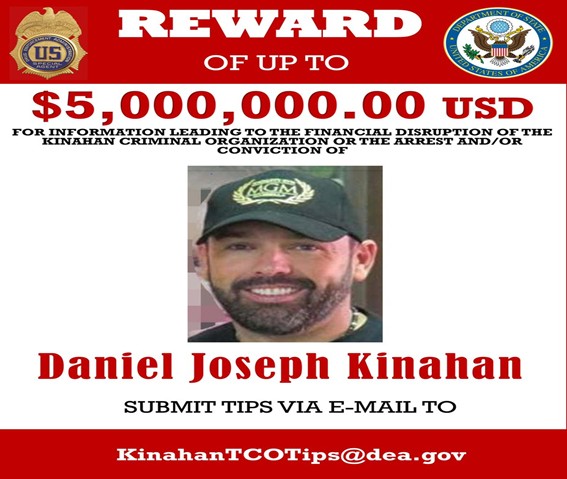
George Dib Jr. is reported to have departed Australia while under law enforcement scrutiny and is believed, according to investigative reporting, to be residing outside Australian jurisdiction, with Lebanon frequently cited as a possible location. His departure has been referenced in the context of ongoing investigations into transnational organized crime networks operating between Australia, the Middle East, and other regions.
Authorities examining these networks have also identified patterns consistent with the use of international real estate markets as vehicles for the laundering of proceeds derived from criminal activity. In particular, Dubai’s rapidly expanding property sector has been repeatedly cited in law enforcement and financial crime assessments as an attractive destination for illicit capital flows due to its high liquidity, complex ownership structures, and historically permissive regulatory environments, although the United Arab Emirates has in recent years increased enforcement efforts to address such risks.
Investigative reporting and financial intelligence analyses have suggested that individuals linked to organized crime groups operating between Australia and Lebanon have sought to channel illicit proceeds into high-value real estate investments in Gulf markets, including Dubai, as part of broader strategies to legitimize assets, diversify holdings, and shield financial gains from enforcement actions. These patterns reflect a wider global trend in which transnational criminal organizations use luxury property markets as part of sophisticated money-laundering schemes.
Australian law enforcement assessments of transnational organized crime have highlighted the increasingly globalized nature of narcotics trafficking networks, including reported operational connections between Australian-based criminal groups and major international organizations such as the Italian ’Ndrangheta, originating in Calabria, and Brazil’s Primeiro Comando da Capital (PCC). Both organizations have been identified by international authorities as among the most influential transnational criminal networks involved in drug trafficking, financial crime, and logistics operations spanning multiple continents.
The PCC in particular has expanded its operational footprint beyond Latin America, with European law enforcement agencies noting its growing presence in Portugal, including activity in regions such as Alentejo, often connected to logistical routes facilitating narcotics distribution into European markets. These developments reflect broader patterns of cooperation among criminal organizations seeking to leverage global supply chains and diaspora networks.
Within Australia’s Lebanese-Australian business and community circles, the Dib family, associated with commercial ventures including Metro Petroleum and The Middle East Times International, has been noted for its visibility in social and business events attended by political, community, and commercial figures. New South Wales politician Jihad Dib has reportedly appeared at some of these gatherings, reflecting his longstanding connections within Lebanese-Australian community networks.
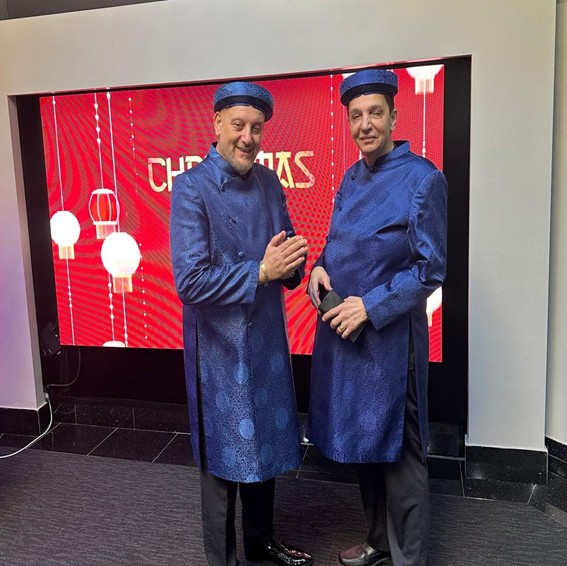
George Dib and Jean (“John”) Dib, father of George Dib Jr., pictured at a Metro Petroleum corporate event covered by The Middle East Times International and the Lebanese media outlet Alhawadess, a publication that presents itself as a modern continuation of the historic Lebanese newspaper Al Hawadeth. The original Al Hawadeth was historically associated with Lebanese nationalist political currents and maintained editorial coverage of Palestinian organizations active in Lebanon, including the PLO and the Palestinian Liberation Front, while also reflecting a pro-Saudi editorial orientation during the period of King Faisal.
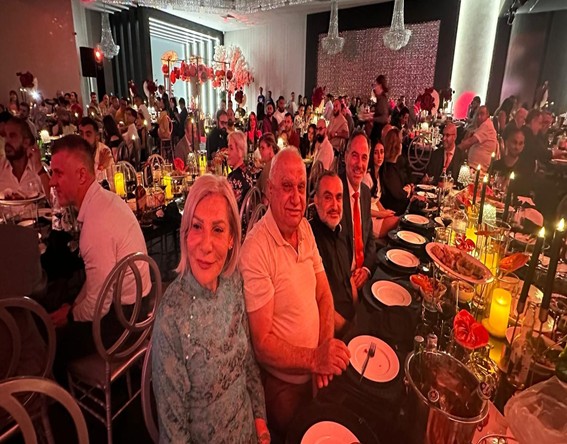
Jihad Dib attending an annual event hosted by the Dib family, as photographed by Alhawadess, a media outlet that presents itself as a digital successor to the historic Lebanese newspaper Al Hawadeth. The original publication was historically associated with Lebanese nationalist currents and provided coverage of Palestinian organizations active in Lebanon, including the PLO and the Palestinian Liberation Front, while also maintaining a pro-Saudi editorial orientation during the era of King Faisal and his broader pan-Arab policy initiatives. The contemporary digital version of the publication has been noted by observers for editorial positions viewed as favorable to Russian geopolitical narratives.
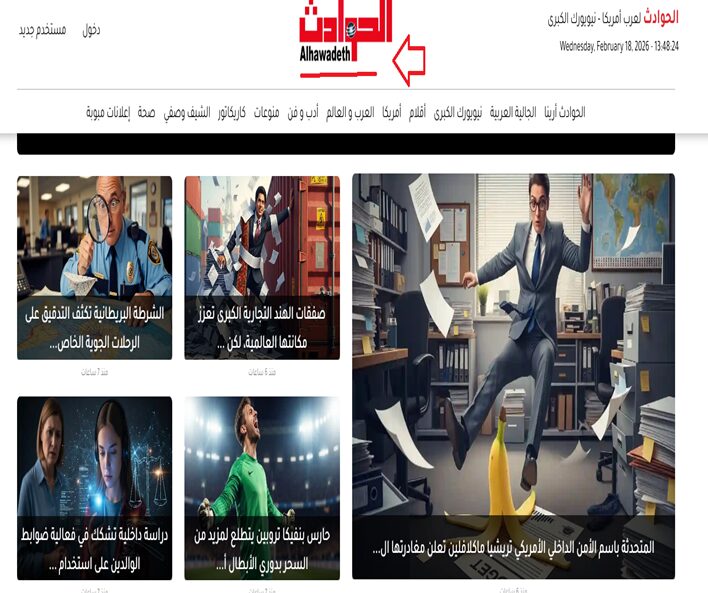
Lebanese digital publication ALHAWADETH with an English version produced in AUSTRALIA.
Jihad Dib publicly expressed support for protests opposing the visit of Israeli President Isaac Herzog to Australia and criticized aspects of the police response to demonstrations that took place in Sydney. These demonstrations reportedly included organized prayer gatherings by Muslim community groups intended to disrupt events connected to the visit.
Dib’s comments attracted particular attention given his ministerial responsibilities within the New South Wales government, where he holds the Emergency Services portfolio, which includes oversight related to public safety and crisis management coordination. His remarks were therefore viewed by some political observers as politically sensitive due to the intersection between his public statements and his institutional responsibilities.
New South Wales Premier Chris Minns subsequently distanced the government from Dib’s position, publicly reaffirming support for the actions of law enforcement authorities and stating that the government would not apologize for what he characterized as the appropriate execution of police duties in maintaining public order.
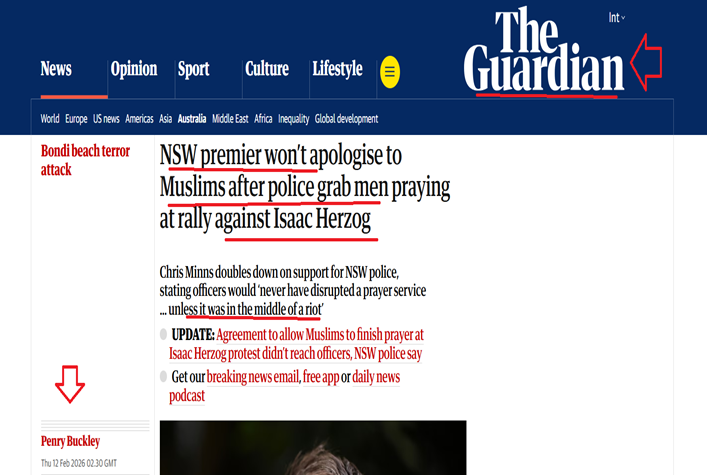
Media coverage of the protests surrounding Israeli President Isaac Herzog’s visit to Australia also became part of the political debate. Reporting by The Guardian framed the incident primarily through the lens of civil liberties and religious freedom, emphasizing concerns raised by protest participants regarding police intervention during gatherings that included prayer activities. Critics of that coverage argued that the framing risked underrepresenting the broader security context in which the demonstrations took place and the responsibility of law enforcement to maintain public order during politically sensitive events.
From a strategic communications perspective, some analysts interpret such media controversies as illustrative of how contentious public order incidents can become embedded in wider information struggles over narrative framing. In this interpretation, disputes over whether security responses are proportionate can be leveraged by different actors to advance competing political narratives, particularly in open democratic societies where media pluralism and civil liberties protections create space for intense public debate.
Within geopolitical analysis, Russia and Qatar have both been identified as states that invest significantly in international media, public diplomacy, and strategic communications as tools of influence. Although their broader foreign policy agendas often differ, both countries have sought to expand their global media presence, Russia through outlets such as RT and Sputnik, and Qatar through Al Jazeera and associated platforms. These outlets are often described in policy literature as instruments of state soft power designed to shape international discourse and influence public opinion abroad.
Scholarly and policy discussions of Russian information strategy frequently refer to Moscow’s use of what is often described as “information confrontation” or hybrid influence techniques. These strategies have included amplifying social divisions, emphasizing controversies involving civil rights, and highlighting perceived inconsistencies in Western democratic practice. The underlying concept is that highlighting internal tensions within democratic societies can weaken institutional trust and complicate unified foreign policy responses.
Qatar’s approach has generally been framed more in terms of narrative influence through media reach and agenda setting rather than direct information warfare. Through Al Jazeera and related networks, Qatar has developed one of the most influential Arabic-language and international news platforms, allowing it to shape regional debates and elevate particular political perspectives, including coverage sympathetic to certain political Islamist movements during periods such as the Arab Spring.
Some geopolitical analysts have suggested that, even without formally acknowledged coordination, the information strategies of Russia and Qatar can occasionally – and increasingly frequently – converge in their effects when both emphasize narratives highlighting Western political tensions, civil rights controversies, or disagreements over Middle Eastern policy. This convergence is typically understood not as a formal alliance but as an example of how different states may independently pursue communication strategies that produce overlapping narrative outcomes.
Within this analytical framework, debates over protest policing, religious freedom, and political demonstrations in democratic societies can become part of a broader contest over legitimacy, values, and narrative authority. Such debates illustrate how domestic political events can acquire international informational significance when they intersect with global geopolitical narratives and competing interpretations of democratic governance.

The Middle East Times, a publication associated with the Lebanese-Australian Dib family, has published a number of favorable profiles of Saudi businessman Prince Alwaleed bin Talal, highlighting his business ventures and philanthropic activities. Both the Dib family and Alwaleed bin Talal have maintained visible engagement with Lebanese political, business, and media environments, reflecting the longstanding role of Gulf capital in Lebanon’s political economy.
Within regional business networks, Alwaleed bin Talal has also been linked to commercial ventures in Yemen during the period of Ali Abdullah Saleh’s presidency. Some regional reporting has described him as maintaining contacts across different Yemeni political and business circles during periods of internal fragmentation, including actors later associated with the Houthi movement. His investment vehicle, Kingdom Holding Company (KHC), was previously connected to the ownership structure of the Mövenpick Hotel in Sana’a, one of the capital’s most prominent international hospitality properties prior to the escalation of Yemen’s civil conflict.
Among Alwaleed’s reported business partners in Yemen was Hussein Banafa, also known as Sheikh Ahmad Banafedh or Hussein Ahmed Banafa’a. Banafa was associated with the Egypt-based International Company for Touristic Investments (ICTI), where he was involved in hospitality and real estate management. In that capacity, he played a role in the operational management of the Mövenpick Sana’a Hotel during the period when it was linked to Alwaleed bin Talal’s investment network.
According to publicly available professional information, including his own professional profile, Banafa is currently based in Saudi Arabia and serves as a director of an organization known as Limitless Horizon. The organization presents itself as a non-governmental initiative focused on global education and academic mobility, particularly facilitating access for students from Muslim-majority countries to higher education opportunities in Western institutions, including universities in the United States and the United Kingdom.
Such educational initiatives reflect a broader pattern of Gulf-linked philanthropic and educational outreach programs designed to strengthen international academic connections while also contributing to the development of professional and institutional networks across regions.
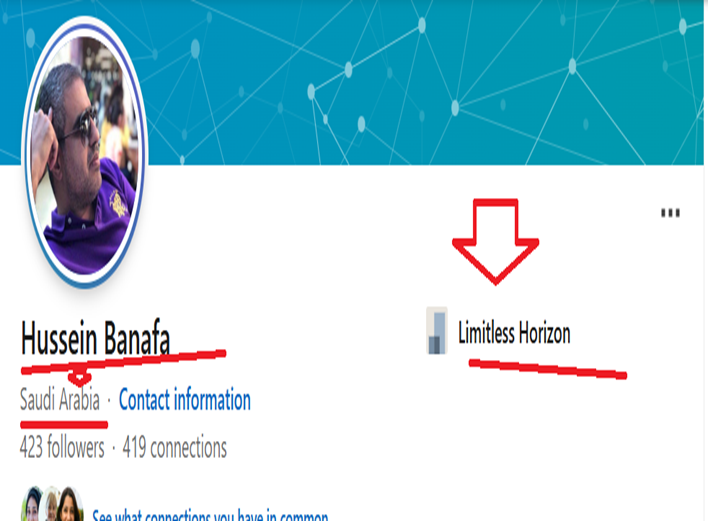
Limitless Horizons, the educational non-governmental organization with which Hussein Banafa is reportedly affiliated, is headquartered in Cairo, Egypt, while directing much of its outreach toward students from Southeast Asia, particularly Indonesia and Malaysia. Its activities are presented as part of broader educational mobility initiatives aimed at facilitating access for students from Muslim-majority countries to higher education opportunities in Western institutions.
The organization has highlighted its role in assisting students from Indonesia in securing admission to leading international universities, including Columbia University in New York. These efforts are typically framed as part of its stated mission to promote global educational exchange, leadership development, and academic advancement among young professionals from emerging economies.
Such initiatives reflect a wider trend among internationally oriented educational organizations that seek to build transnational academic networks by connecting students from Asia, the Middle East, and Africa with institutions in the United States and the United Kingdom, often combining scholarship guidance, mentorship, and preparatory support programs.
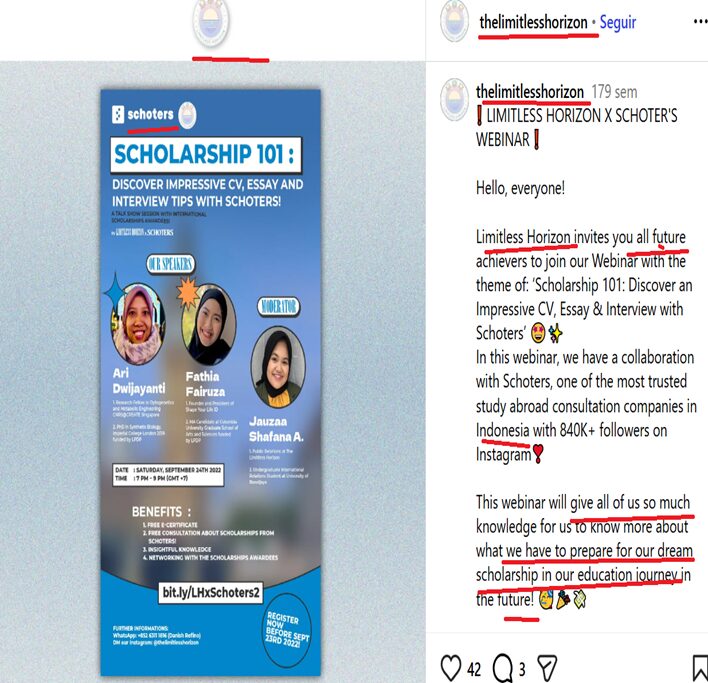
LIMITLESS HORIZONS-organized event dedicated to students from INDONESIA
Another educational outreach event organized by Limitless Horizons, focusing on academic guidance and international study opportunities for students from Indonesia and Malaysia.
According to Hussein Banafa’s own description, Limitless Horizon presents itself as an international non-profit initiative focused on youth development, educational access, and leadership training through academic and mentoring programs designed to support students seeking international opportunities.
In his own words, the organization defines its mission as follows:
“a non-profit organization that focuses on Youth Development globally. Limitless Horizon was created in 2021 and since then aims to provide events and programmes that will bring the best out of students all over the world. Limitless Horizon tries to develop the community on a regular basis by hosting main events such as Webinars and Mentoring Sessions along with several side events every month, all of them done with zero cost. We would love for all students to be able to have access to gain knowledge and experience. Limitless Horizon plans to collaborate with many external parties to bring their objectives to life”.
Muhammad Aidarous, an Egyptian IT engineer based in Cairo, is identified as a close associate of Hussein Banafa and a key collaborator in the activities of the Limitless Horizons organization.
Muhammad Aidarous is reportedly responsible for managing Limitless Horizons’ social media presence and contributing to what has been described as the organization’s strategic development planning. His role reflects the growing importance of digital communications and youth-oriented messaging in the outreach strategies of internationally focused educational NGOs.
The name Limitless Horizon has also attracted interpretative analysis in the context of broader ideological and cultural communication patterns observed among transnational Islamist movements. Analysts of political Islam have noted that some organizations historically associated with the Muslim Brotherhood have relied not only on formal messaging but also on symbolic language, literary references, and religious terminology to communicate identity and ideological alignment in ways that resonate with their intended audiences while remaining opaque to outside observers.
One example frequently cited in such analyses is the use of the Arabic term Ufuq (often translated as “horizon”), which appears in Islamic religious texts and carries connotations of expansiveness, spiritual vision, and the global scope of the Islamic community. In this interpretative framework, the concept of ufuq is sometimes understood as a metaphor for the universal dimension of the ummah, the global Muslim community, and the aspiration to expand religious and cultural influence through education, social organization, and religious outreach.
Within Islamist political thought, particularly as developed by movements such as the Muslim Brotherhood, this type of conceptual language has often been associated with the gradual expansion of influence through civil society institutions. These include educational institutions, youth organizations, cultural associations, and political movements operating within legal frameworks, particularly in Western societies where such organizations can operate freely under democratic protections.
The concept of “horizon” or “new horizon” has also appeared in political rhetoric associated with Turkish President Recep Tayyip Erdoğan, particularly during the period following the Arab Spring, when Turkey sought to strengthen its ties with Muslim Brotherhood-affiliated political actors across the Middle East. During this period, Erdoğan and Egyptian President Mohamed Morsi were associated with youth cooperation initiatives sometimes described as part of broader efforts to strengthen Turkish–Egyptian engagement.
As Erdoğan described such initiatives, the intention was to strengthen cooperation among younger generations as part of a broader geopolitical vision. In his own framing, such engagement was intended to reshape regional influence dynamics and contribute to political transformation, with objectives described in terms of strengthening Turkey’s strategic position in the Eastern Mediterranean and, in his own rhetoric, “silencing Israel.”
Taken together, these ideological references illustrate how religious symbolism, youth engagement initiatives, and educational outreach have often intersected within broader geopolitical competition in the Middle East, particularly where political Islam, regional power rivalry, and transnational networks of influence converge.
Zeinab Al Gundy wrote to the Information Technology Industry Development Agency (ITIDA) in 2011, shortly after the Egyptian revolution that brought the Muslim Brotherhood to political prominence, describing the evolving framework of Turkish–Egyptian relations and youth cooperation initiatives associated with Ankara’s regional strategy. Her account referenced statements attributed to then Turkish Prime Minister Recep Tayyip Erdoğan concerning the geopolitical alignment between Egypt and Turkey and their perceived shared strategic priorities in the Eastern Mediterranean. As she reported:
“Discussing Egypt-Turkish relations, he said: ‘Egypt and Turkey are the most important and leading countries in the eastern Mediterranean’ and are ‘one hand.’
‘Hand in hand Egypt and Turkey will silence Israel, which wants to control the east of the Mediterranean.’
At the end of the last speech of his Cairo visit, the Turkish prime minister advised political groups in Egypt not to be divided and to have common goals, adding that the main threats faced by any country are corruption, poverty and restrictions on freedom of expression.
The UFUQ was launched after the Egyptian Revolution to increase cooperation between Egyptian and Turkish youth. The Egyptian side includes independents, liberals and 6 April youth activists as well as Muslim Brotherhood youth. The Egyptian wing of the UFUQ honoured Erdogan after his speech and said it had presented a list of future projects with its Turkish counterparts to the Turkish ambassador in Cairo, Hussein Awani.”
These developments formed part of a broader Turkish strategy to expand its soft-power footprint through educational, research, and innovation partnerships, particularly through participation in European Union research frameworks such as the Horizon program. Within this context, Turkish diplomatic missions in major European capitals, including Paris and Berlin, have played an active role in facilitating cooperation agreements between Turkish universities and leading European academic institutions, with the stated objective of strengthening Turkey’s academic integration into European research ecosystems.
Separately, in the commercial sphere, another partner associated with Prince Alwaleed bin Talal and Hussein Ahmad Banafa in the development of the Mövenpick Hotel Sana’a project was Mouawad Contracting & Services, a Lebanese firm owned by the El Ghazal Mouawad family. The company has operated within Lebanon’s construction and infrastructure sectors and has participated in regional hospitality and real-estate ventures linked to Gulf and international investors.
Mouawad Contracting & Services maintains its principal headquarters in Beirut, located at Tabaris, Fouad Chehab Avenue, Borj Al Ghazal Building.
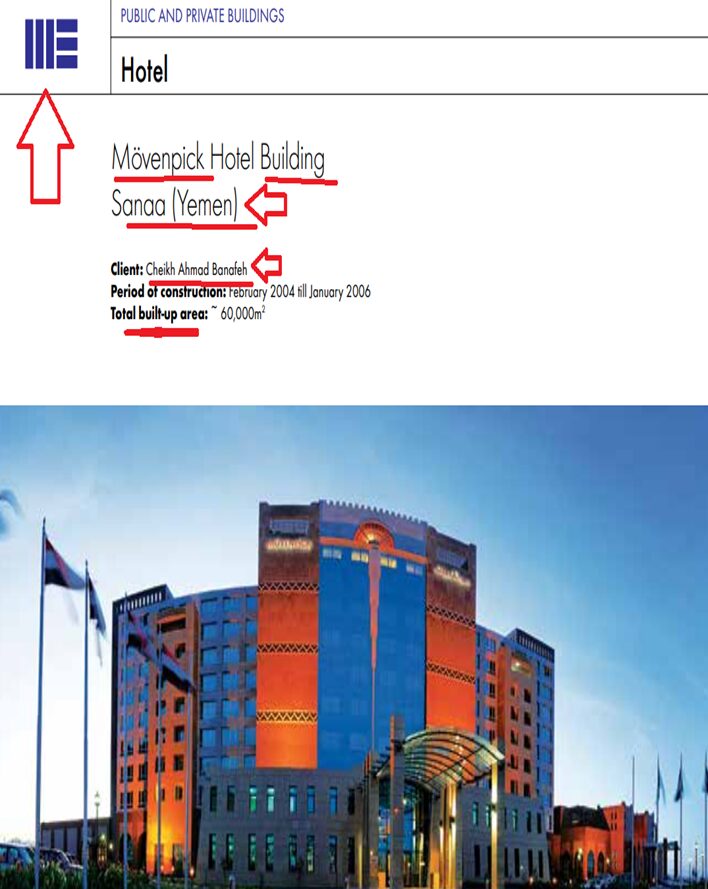
MOUAWAD CONSTRUCTION operates in the Persian Gulf, including in Oman, SAUDI ARABIA and QATAR.
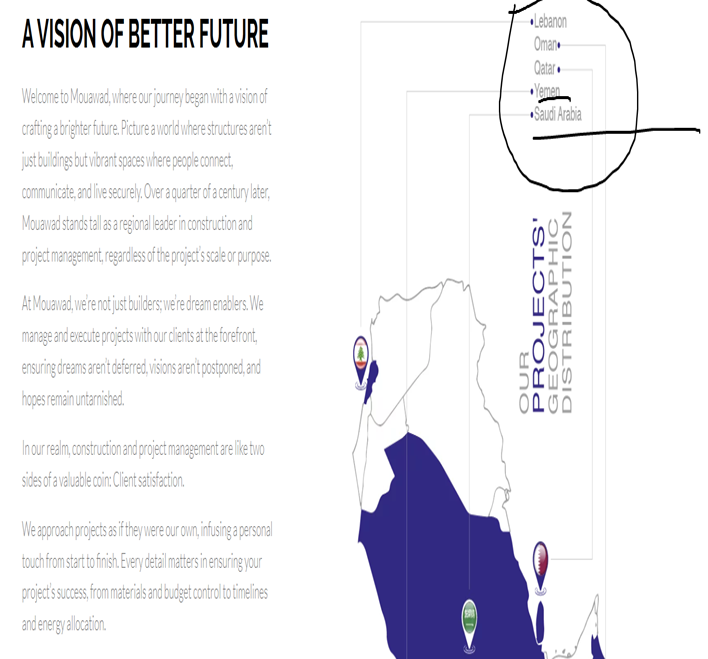
The Mouawad family also controls a separate corporate entity registered in France under the name SCI Ghazal. According to the Bulletin Officiel des Annonces Civiles et Commerciales (BODACC), the official publication of the French Republic for corporate and commercial disclosures, the company’s registration was formally recorded in the 20 August 2009 edition.
The filing indicates that SCI Ghazal is registered at a business address located on a prominent street in Paris, reflecting the group’s commercial presence within one of Europe’s principal financial and real-estate markets. Such registrations are typically associated with real-estate holding structures or investment vehicles commonly used for property management and cross-border commercial activities.
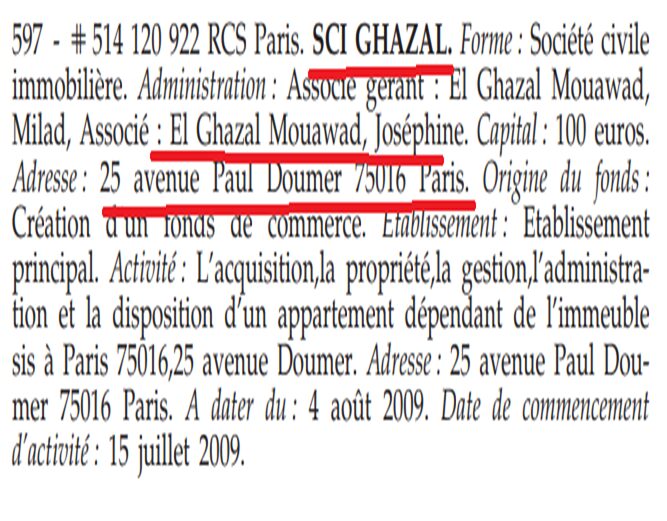
Milad El Ghazal Mouawad serves as the principal administrator of the Paris-registered company, reinforcing the Mouawad family’s direct managerial control over its French corporate interests. The company’s location in Paris, one of the European Union’s main financial and commercial hubs, reflects the family’s broader strategy of maintaining a presence in key European business centers.
According to publicly available corporate data compiled by the French business intelligence platform Pappers.fr, ownership and governance of the company appear to be concentrated within the Mouawad family through an interconnected network of family-held interests. This structure reflects a typical model of closely held family enterprises, in which control is maintained through overlapping managerial roles and shareholding arrangements distributed among relatives and long-standing associates.
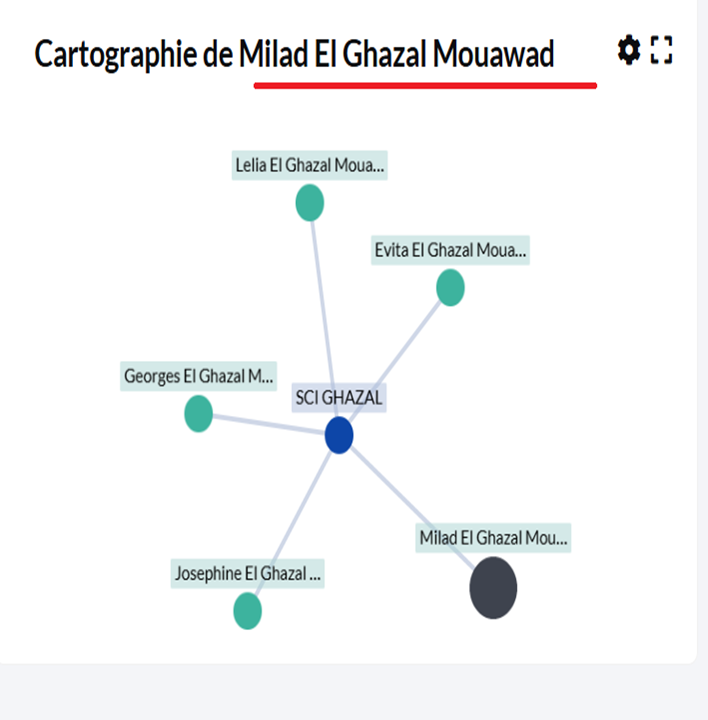
Source: Pappers.fr
The El Ghazal Mouawad family also held interests in the telecommunications sector through a Cyprus-registered company operating under the name Setelcom. The company reportedly developed commercial activities primarily in France and Portugal, where it collaborated with major mobile network operators, including Optimus (now operating as NOS, owned by Sonaecom) and Vodafone Portugal.
During the period in question, Vodafone Portugal was led by Portuguese businessman António Carrapatoso, who later became associated with the leadership of the Portuguese media outlet Observador. According to individuals familiar with Carrapatoso’s professional network and business initiatives, Setelcom’s activities formed part of a broader ecosystem of telecommunications and media investments involving both domestic and international stakeholders.
Within this context, it has also been reported that Anthony John James Bailey, through connections linked to the political and civic platform Compromisso Portugal, maintained an active interest in Portugal’s media and telecommunications sectors. These activities allegedly included efforts to facilitate foreign investment flows into the Portuguese market, particularly from investors based in the Persian Gulf region.
Another reported business partner of Alwaleed bin Talal in Yemen is the company Alzaghir Sons for Trading & Contracting (ZASCO), a firm involved in commercial and contracting activities within the Yemeni market.
The company is directed by Fathi Al-Saghir, who is based in Sana’a, Yemen, and is understood to play a central role in overseeing the firm’s operations and regional business relationships. ZASCO’s activities have reportedly included participation in projects connected to the hospitality and construction sectors, reflecting the broader network of commercial partnerships associated with Gulf investors operating in Yemen prior to the country’s prolonged political instability.
FATIH AL-SAGHIR
One of Fathi Al-Saghir’s siblings, Shuaib Al-Saghir, has held the position of Head of the Technical Office at Yemen’s Ministry of Planning and International Cooperation. In this capacity, he has been involved in the technical coordination of international development initiatives and financial cooperation programs involving Yemen and its external partners.
His responsibilities have reportedly included participation in high-level international financial discussions, including meetings of the Paris Club, where creditor nations and debtor countries negotiate debt restructuring arrangements and financial assistance frameworks. His involvement in such forums reflects the Ministry’s central role in managing Yemen’s external financial relationships and engagement with international economic institutions.
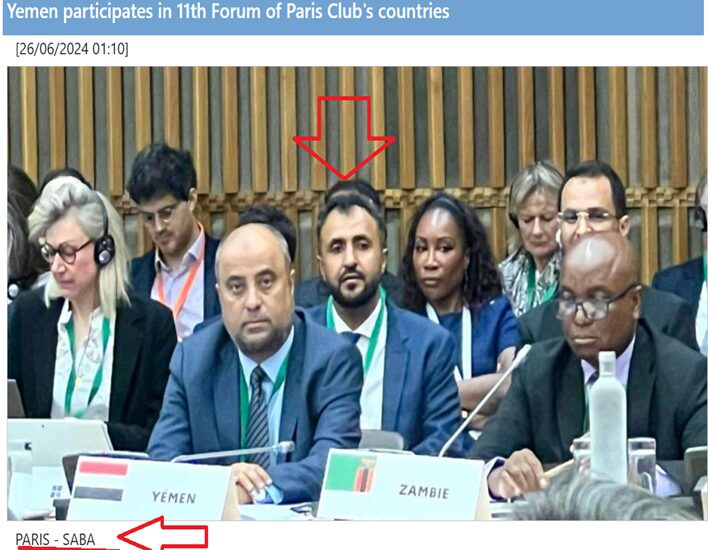
Before his appointment to the Ministry of Planning and International Cooperation, Shuaib Al-Saghir was reportedly employed by Alzaghir Sons for Trading & Contracting (ZASCO), reflecting a professional trajectory that combined private-sector experience with subsequent government service. According to information available through his social media profiles, he also spent a period living in the United Kingdom, including time in Coventry, prior to returning to Yemen.
The Mövenpick Hotel Sana’a, in which Prince Alwaleed bin Talal previously held an ownership stake as part of his broader hospitality investments, was later transferred to the Accor hotel group, whose ownership structure includes significant investment from the Qatar Investment Authority. This transaction reflects the overlapping commercial interests of Saudi and Qatari investors in regional hospitality assets during the period preceding Yemen’s prolonged instability.
Within this broader landscape of Gulf and international investment networks, Alwaleed bin Talal has also been associated with business interests in Russia, illustrating the complex web of financial relationships that have historically connected segments of the Saudi business establishment, Russian commercial actors, and, at times, Qatari investment vehicles. These overlapping interests have often reflected pragmatic investment strategies rather than formal political alignment, although they have occasionally been interpreted within wider geopolitical narratives.
Separately, additional connections have been noted between Natalia Dubrinina and Vladimir I. Yakunin, a former Russian Railways executive and figure often associated with Russian state and policy networks. Both have been linked in various public accounts to institutions and initiatives connected to Russian cultural diplomacy and Eurasianist intellectual currents.
Dubrinina has reportedly collaborated with the St. Andrew the First-Called Foundation, an organization chaired by Yakunin in his capacity as Chairman of its Board of Trustees. The foundation presents itself as dedicated to promoting Russian cultural heritage, historical continuity, and international engagement. Its programming has often emphasized the symbolic continuity between Imperial Russian traditions, the Soviet historical experience, and the contemporary Russian state.
In this context, the foundation has also engaged in ceremonial recognition activities involving international figures. Among such instances, it has been reported that former Yemeni President Ali Abdullah Saleh received an award associated with the foundation, reflecting the organization’s outreach efforts beyond Russia.
Yakunin and Dubrinina have also been associated with another organization often described as part of Russia’s cultural and historical diplomacy architecture, the Russian Center for National Glory. This institution has promoted initiatives focused on Russian historical identity and international cultural engagement, themes frequently associated with broader Eurasianist intellectual frameworks.
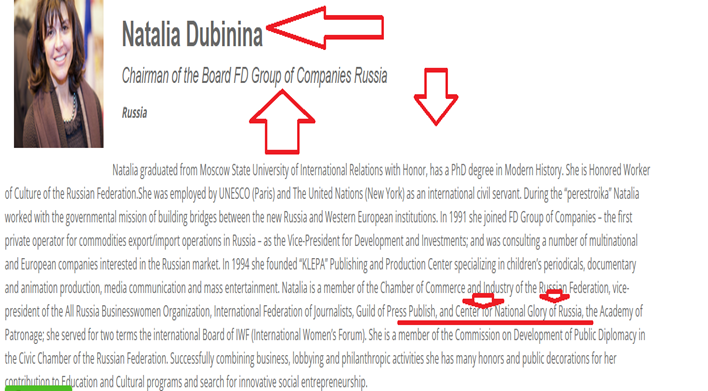
Anthony John James Bailey, an Irish national resident in Portugal, has been described in various accounts as having acted as an intermediary within networks connecting figures associated with former Syrian president Bashar al-Assad to certain European political, cultural, and aristocratic circles.
According to testimony attributed to a prominent member of the Portuguese Monarchist League who had professional contact with João Amaral, Assad’s presence in European elite cultural and social environments was perceived as broader than commonly understood. As this source stated: “Bashar al-Assad was very present in Portuguese (and European, in general) royal houses and cultural associations/foundations. In the days of his fall, many people in Portugal had terrible headaches…”
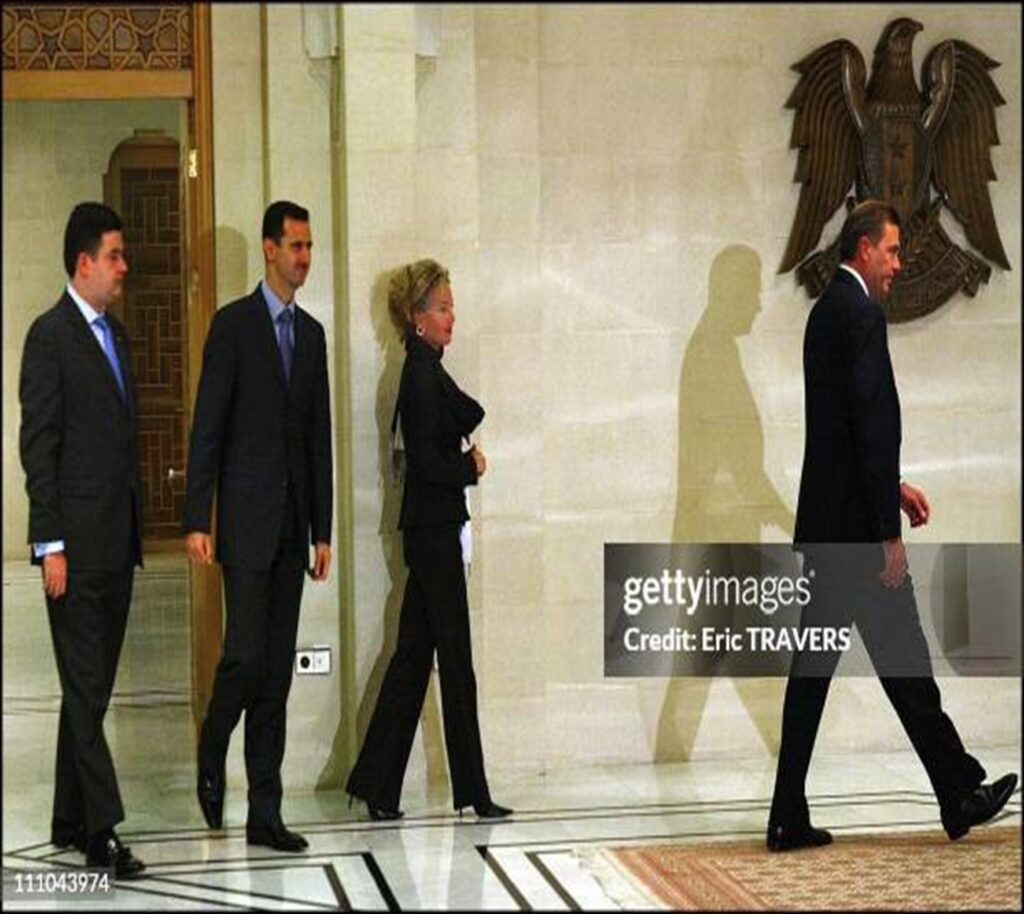
Anthony John James Bailey is pictured alongside former Syrian President Bashar al-Assad and a representative of a European royal house during a meeting reportedly facilitated through Bailey’s international cultural and diplomatic networks.
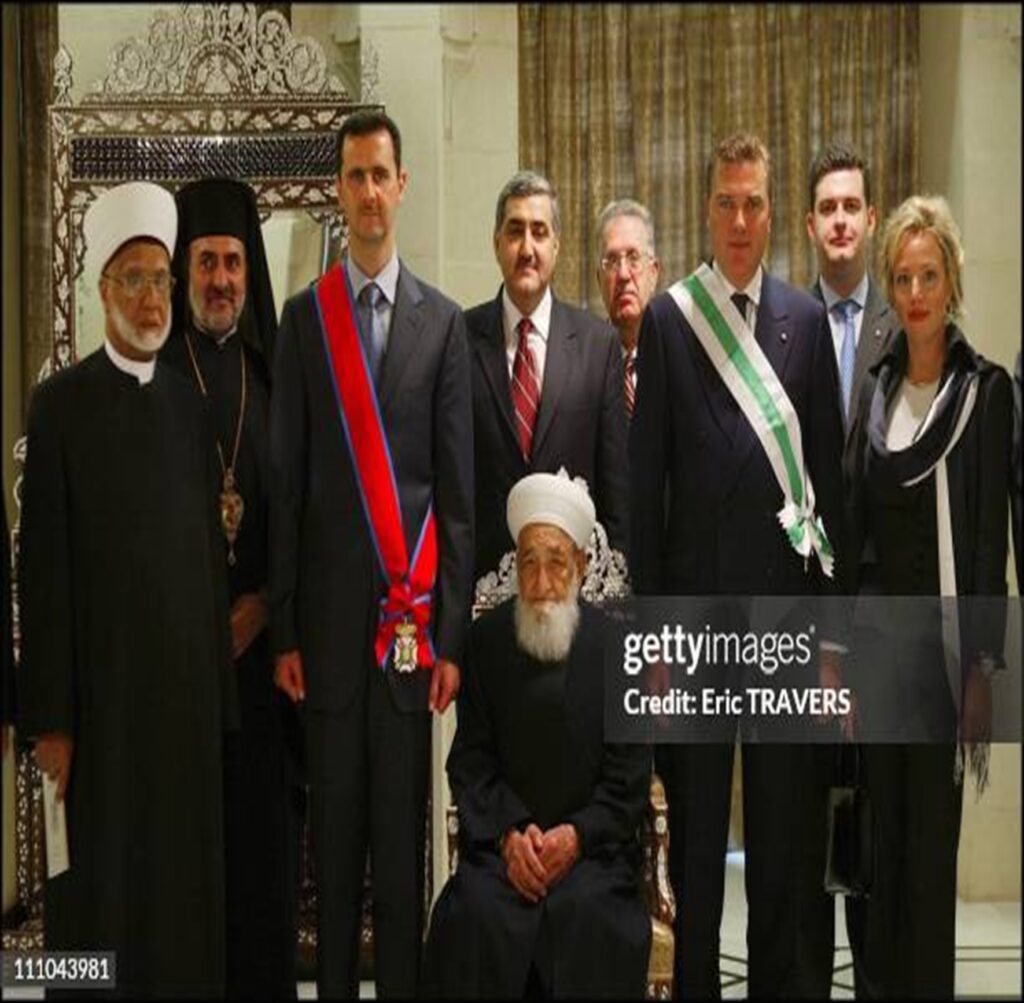
In another photograph, Anthony John James Bailey appears positioned discreetly in the background, a posture that, according to one of his Portuguese collaborators described as a specialist in political communication and known in Brazil by the nickname “O Príncipe” (“The Prince,” a reference to Il Principe), reflected what was reportedly one of Bailey’s preferred expressions about his own role: operating behind the scenes and “pulling the strings.”
Bailey has also been described in various accounts as having facilitated contacts between individuals associated with the Assad family and elite social circles in the United Kingdom, including figures connected to the British royal establishment, at a time when he was said to maintain proximity to the future King Charles III. During this period, Bashar al-Assad’s wife, Asma al-Assad, who held British citizenship, remained active in international advocacy initiatives, including programs focused on women’s empowerment, and also received medical treatment in the United Kingdom.
At the same time, the Syrian government sought to cultivate political and intellectual support networks in Europe and the United States as part of broader efforts to challenge or mitigate international sanctions imposed on Damascus. Among the Western figures who publicly expressed support for engagement with the Syrian government was Helga Zepp-LaRouche, the widow of Lyndon LaRouche and founder of the Schiller Institute.
Zepp-LaRouche repeatedly framed Syria’s geopolitical alignment with Russia and Iran within the broader context of the so-called New Silk Road, a concept closely associated with China’s Belt and Road Initiative and with Eurasianist strategic thinking. In her public interventions, she praised the cooperation between Vladimir Putin and Bashar al-Assad as part of a wider effort to integrate Syria into this emerging Eurasian connectivity architecture, which she portrayed as an alternative to the post-Cold War Western-led international order.
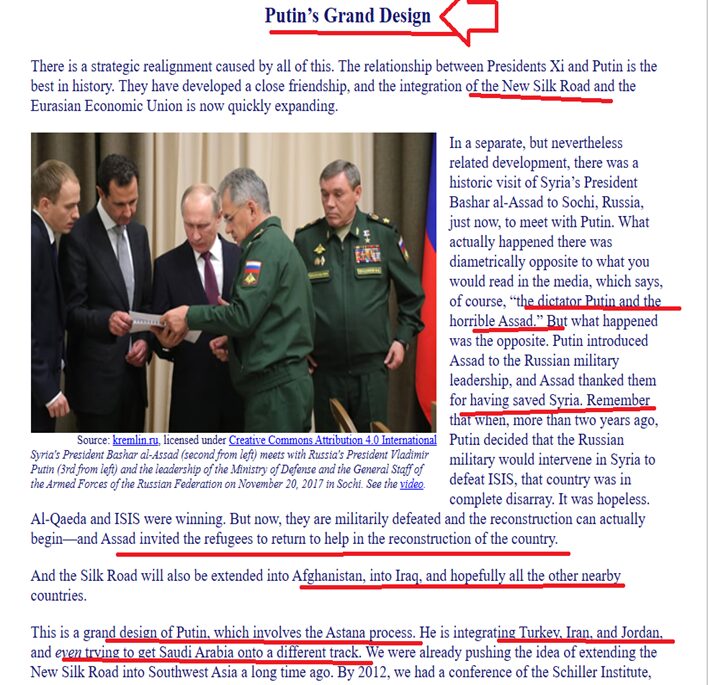
In a speech delivered in November 2017 at a Schiller Institute conference entitled “Fulfilling the Dream of Mankind,” Helga Zepp-LaRouche outlined her perspective on the geopolitical significance of Russia’s intervention in Syria and the broader Eurasian integration strategy often described as the New Silk Road. In her remarks, she framed the meeting between Russian President Vladimir Putin and Syrian President Bashar al-Assad in Sochi as a turning point in the regional balance of power and as part of a wider development strategy linking Eurasia and the Middle East. As she stated:
“there was a historic visit of Syria’s President Bashar al-Assad to Sochi, Russia, just now, to meet with Putin. What actually happened there was diametrically opposite to what you would read in the media, which says, of course, ‘the dictator Putin and the horrible Assad.’ But what happened was the opposite. Putin introduced Assad to the Russian military leadership, and Assad thanked them for having saved Syria. Remember that when, more than two years ago, Putin decided that the Russian military would intervene in Syria to defeat ISIS, that country was in complete disarray. It was hopeless. Al-Qaeda and ISIS were winning. But now, they are militarily defeated and the reconstruction can actually begin—and Assad invited the refugees to return to help in the reconstruction of the country.
And the Silk Road will also be extended into Afghanistan, into Iraq, and hopefully all the other nearby countries.
This is a grand design of Putin, which involves the Astana process. He is integrating Turkey, Iran, and Jordan, and even trying to get Saudi Arabia onto a different track. We were already pushing the idea of extending the New Silk Road into Southwest Asia a long time ago. By 2012, we had a conference of the Schiller Institute, also in Frankfurt like today’s, where we said that the only way to stop terrorism and unleash development and peace in the Middle East, is for all the big neighbors—Russia, China, India, Iran, the United States, and also European countries—to join hands in its development.
This is now a concrete possibility, because of the Russian military intervention and the Chinese extension of the Silk Road. In this context, the relationship between Putin and Trump has also gotten onto a much better track: In the aftermath of the Assad visit, Putin and Trump had a 90-minute telephone discussion; and people in Russia on various levels—in the Duma and in the Federation Council—afterwards expressed great optimism that the relationship between Russia and the United States can now become much more fruitful and better”.
Helga Zepp-LaRouche has also been associated with Vladimir Yakunin, a former Russian Railways president and longtime associate of Vladimir Putin, particularly through intellectual and conference networks linked to Eurasian development concepts. Publications connected to the Schiller Institute have highlighted Yakunin’s views on global infrastructure connectivity and long-range transport integration as part of a broader vision of international cooperation through large-scale development corridors.
One such profile emphasized Yakunin’s views on transcontinental rail connectivity and infrastructure as a driver of geopolitical stability and economic development. As described in one such account:
“Vladimir Yakunin, the president of Russian Railways, gave an extensive interview to Britain’s Sunday Express on December 19, which the weekly summarized in an article today. Quotes follow:
Dreams of travelling from London to New York by train were evoked last night after one of Russia’s most powerful men pledged a crucial tunnel linking his country to North America would be ‘feasible’ within 10 years.
Vladimir Yakunin, the president of state-run Russian Railways and Prime Minister Putin’s closest confidant, said his ambition was to connect more than half the planet by train. He told the Express that American investors had already approached him about boring a 64-mile tunnel under the famous Bering Sea that separates Asia and North America. He said that ‘With new rail links planned through Alaska and eastern Russia, the tunnel would help enable freight and passenger trains to run from the U.S. to London on uninterrupted tracks.’
Yakunin also suggested that ‘governments should be responsible for rail infrastructure.’There should be a system that either demands the private investor should invest into these spheres or the state becomes the owner of the infrastructure and they invest budgets into infrastructure and that enhances the security of operations.’ Yakunin said he had been negotiating with potential partners from around the world to trigger a ‘renaissance of railways… We are in contact with countries in Latin America, Africa and with Arab countries and China. It’s in everyone’s interest to develop railways,’ Yakunin said”.
These infrastructure concepts were also connected to broader Eurasian development frameworks discussed at international conferences attended by Lyndon LaRouche and Helga Zepp-LaRouche, including discussions surrounding the so-called World Landbridge concept. Within this framework, large-scale transportation corridors linking Europe, Asia, and the Americas were presented as instruments of economic integration and geopolitical stabilization, including proposals for high-speed rail links capable of connecting major global economic centers across continents.
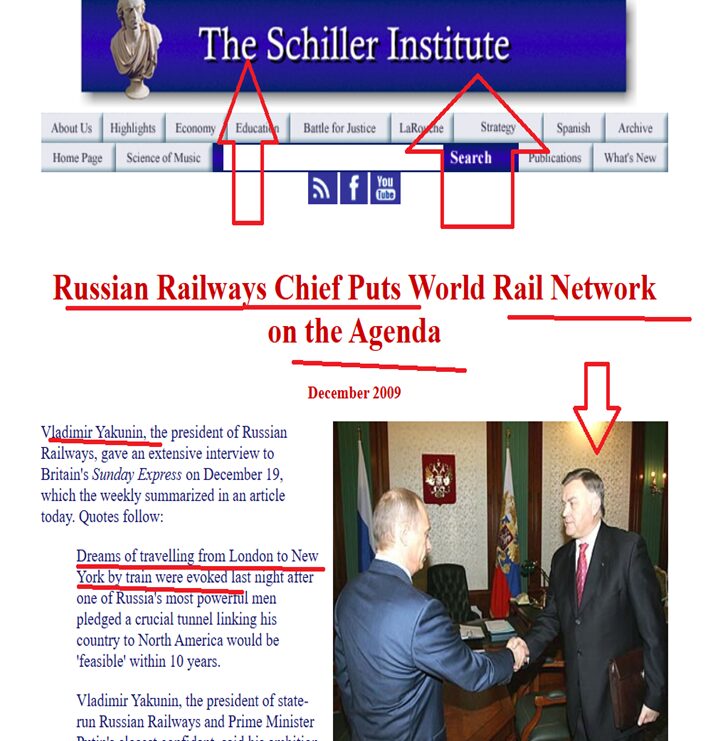
The LaRouche movement and Vladimir Yakunin have also been associated through their participation in the World Public Forum – Dialogue of Civilizations, often referred to as the Rhodes Forum. This international geopolitical conference, which has been held in locations such as Greece and Germany, presents itself as a platform intended to foster international dialogue among political leaders, academics, and policy figures.
The stated mission of the forum is to “bring nations around the world together” and to promote “building peace through mutual understanding,” themes that reflect its emphasis on civilizational dialogue and multipolar cooperation as alternatives to confrontation in international affairs.
Lyndon LaRouche himself was a recurring participant and speaker at the Dialogue of Civilizations Rhodes Forum for many years prior to his death, reflecting the intellectual convergence between certain Eurasianist development concepts promoted by Yakunin and the LaRouche movement’s long-standing advocacy of large-scale infrastructure development and geopolitical realignment.
Following Lyndon LaRouche’s death, Helga Zepp-LaRouche has remained associated with Vladimir Yakunin’s intellectual and institutional initiatives, maintaining involvement in conferences and policy discussions linked to these networks and continuing to engage with projects connected to the Dialogue of Civilizations framework.
CONCLUSIONS
The material examined throughout this report points to the growing importance of informal networks operating across the intersections of politics, business, media, religion, philanthropy, and cultural diplomacy. These networks often function through personal relationships, long-standing trust channels, and overlapping institutional affiliations rather than through formal alliances. Influence in this environment is frequently exercised through proximity, credibility, and access rather than through official mandates.
A consistent pattern throughout the cases analyzed is the strategic use of legitimate structures such as foundations, universities, interfaith initiatives, media ventures, consulting platforms, and commercial partnerships as mechanisms for positioning and relationship-building. These structures provide reputational cover, operational flexibility, and long-term access to decision-makers, while simultaneously allowing participants to present their activities as apolitical or purely developmental in nature.
The role of intermediaries stands out as particularly significant. Certain individuals function less as policymakers and more as facilitators of elite interaction, introducing political figures to investors, connecting business leaders to cultural institutions, and linking regional actors to global networks of influence. Their relevance derives from their ability to move across different environments with relative ease, maintaining credibility in diplomatic, commercial, and social settings simultaneously. In such an ecosystem, the ability to connect actors who would otherwise remain separate becomes a source of strategic value in itself.
The prominence of narratives centered on connectivity, multipolarity, and development corridors also reflects an ongoing effort to redefine how global influence is discussed and exercised. Concepts such as Eurasian integration, the New Silk Road, and interconnectivity strategies are not merely economic proposals. They also function as intellectual frameworks that seek to legitimize alternative centers of power and promote new alignments that reduce dependence on traditional Western structures.
Information environments also emerge as a critical domain. Media organizations, think tanks, digital platforms, and advocacy networks increasingly function as instruments capable of shaping political language, redefining legitimacy, and amplifying preferred narratives. The struggle for influence increasingly takes place in this cognitive space, where the ability to frame debates often matters as much as the ability to negotiate agreements.
The cases discussed also illustrate how influence strategies frequently extend across ideological boundaries. Engagement is often pursued simultaneously with actors on the political right and left, among religious and secular groups, and within both establishment and anti-establishment movements. This reflects a practical understanding that durable influence depends on maintaining diversified access rather than relying on a single political current.
Personal relationships remain one of the most durable elements in this environment. Networks formed through business partnerships, educational cooperation, philanthropic activity, or cultural diplomacy often continue to operate regardless of electoral cycles or leadership changes. These ties form a layer of continuity beneath formal political structures and often explain how influence persists even during periods of official tension between governments.
Another important observation concerns the way influence is increasingly exercised through integration into systems rather than through direct pressure. Financial participation, academic cooperation, cultural programming, and technology partnerships allow actors to become embedded within the operational fabric of other societies. This form of presence is less visible than traditional diplomacy but often more sustainable over time.
These dynamics point to a geopolitical landscape shaped less by formal blocs and more by networks of access, reputation, and long-term positioning. Power in this context is often measured by the ability to convene actors, open doors, and shape conversations rather than by traditional indicators such as territory or military capability.
For institutions operating within democratic systems, the most relevant lesson lies in the importance of awareness and institutional clarity. Systems built on openness, freedom of association, and economic integration naturally attract a wide range of external interests. Maintaining resilience in such an environment depends on transparency, strong governance standards, and the capacity to distinguish between legitimate engagement and influence that seeks to operate without scrutiny.
Narrative Analysis
Final Analytical Confidence Assessment
This report is based on open-source information, historical pattern analysis, and relationship mapping consistent with established intelligence methodologies. Interpretations regarding network significance reflect analytical judgment rather than definitive operational conclusions.
Overall Confidence Level: Moderate
Confidence is highest regarding historical patterns of institutional continuity and relationship persistence. Confidence is lower regarding the strategic intent of individual actors due to the inherent opacity of elite access environments.
Handling Caveat and Analytical Disclaimer
This report is an analytical assessment based on open-source information, historical pattern analysis, and relationship mapping conducted according to standard geopolitical and intelligence research methodologies. The purpose of this document is to identify observable patterns of interaction, institutional positioning, and historical continuity that may be relevant for analytical or research purposes, or for additional investigations.
All information referenced in this report derives from publicly available materials, historical reporting, institutional records, media coverage, and open-source analytical interpretation. Where appropriate, terms such as reportedly, according to reports, or allegedly reflect the nature of the underlying source material and do not constitute independent factual determinations by the author.
This document does not assert criminal conduct, operational coordination, or unlawful activity unless such claims are explicitly supported by publicly documented findings from governmental or judicial authorities. References to relationships, proximity, or shared institutional environments are presented solely as analytical observations regarding network dynamics and do not imply direction, control, or intentional collaboration.
Individuals named in this report are referenced solely within the context of publicly reported activities, institutional roles, or historically documented relationships relevant to geopolitical analysis. Inclusion in this report should not be interpreted as an allegation of wrongdoing or participation in unlawful activity.
Network analysis by its nature examines patterns of interaction across time. The identification of repeated institutional proximity reflects analytical methodology used in geopolitical and intelligence research and should not be interpreted as evidence of coordination absent direct supporting evidence.
This report is intended exclusively for analytical, research, and informational purposes. It does not constitute legal findings, investigative conclusions, or intelligence determinations. Readers should understand that geopolitical analysis frequently involves interpretation of incomplete information and evolving historical context.
The assessments contained herein reflect analytical judgment at the time of writing and should be understood as subject to revision should additional information become available.
Analytical Methodology Note
This report was prepared using structured geopolitical analysis techniques commonly employed in open-source intelligence (OSINT), historical network analysis, and institutional relationship mapping. The analytical approach emphasizes the identification of long-term patterns of interaction rather than isolated events, with particular attention given to continuity of relationships across political, financial, religious, and cultural environments.
The methodology applied in this report reflects the understanding that influence networks typically develop gradually through repeated interaction rather than through single identifiable actions. Accordingly, emphasis has been placed on chronology, institutional positioning, publicly documented affiliations, and the evolution of individual roles over time.
Where possible, information has been evaluated through comparative source review, examining consistency across independent reporting, institutional publications, historical documentation, and publicly available records. Discrepancies between sources have been treated cautiously, and where uncertainty exists, language reflecting the provisional nature of the information has been used.
This report also applies basic network analysis principles commonly used in geopolitical research. These include attention to recurring institutional environments, the role of intermediary actors, the persistence of legacy relationships following political transitions, and the strategic relevance of access to legitimacy-granting institutions such as cultural organizations, academic forums, and religious dialogue platforms.
No classified information, confidential sources, or non-public investigative materials were used in the preparation of this report. All analysis is derived exclusively from open-source material and analytical interpretation consistent with academic and policy research standards.
The report also reflects standard caution regarding attribution. The presence of individuals within the same institutional or social environments is treated as a relevant analytical observation but not as evidence of coordination unless supported by direct documentation. This distinction reflects established intelligence analytic standards intended to prevent overinterpretation of proximity alone.
Analytical judgments contained in this report reflect pattern recognition based on historical precedent and known influence methodologies. Such assessments should be understood as interpretive rather than determinative. As with all geopolitical analysis, conclusions remain subject to revision as additional information becomes available.

No responses yet